Karolína Muchová and Jakub Menšík Win US Open Mixed Doubles Title
Arthur Ashe Stadium had already seen its nostalgia act. Serena Williams back in New York after four years away, Carlos Alcaraz returning from a wrist layoff – the big names had drawn the early-week crowds and the headlines.
The real show, though, arrived late on Wednesday night.
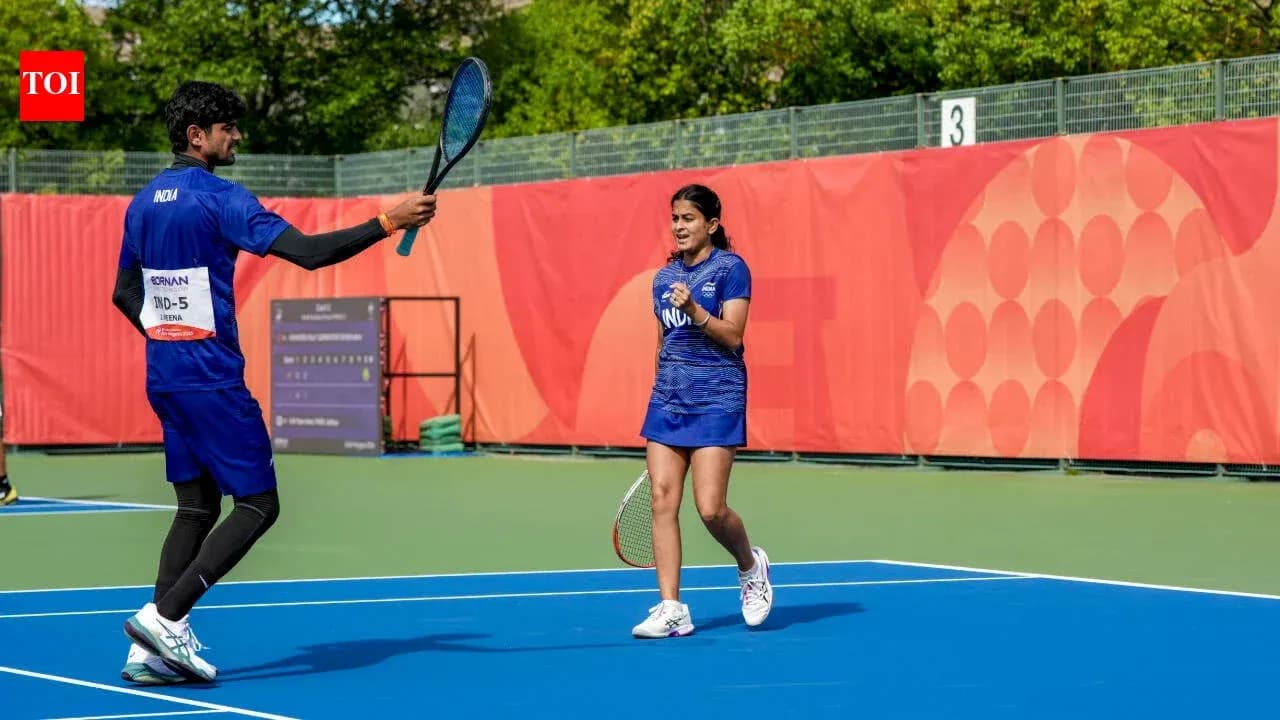
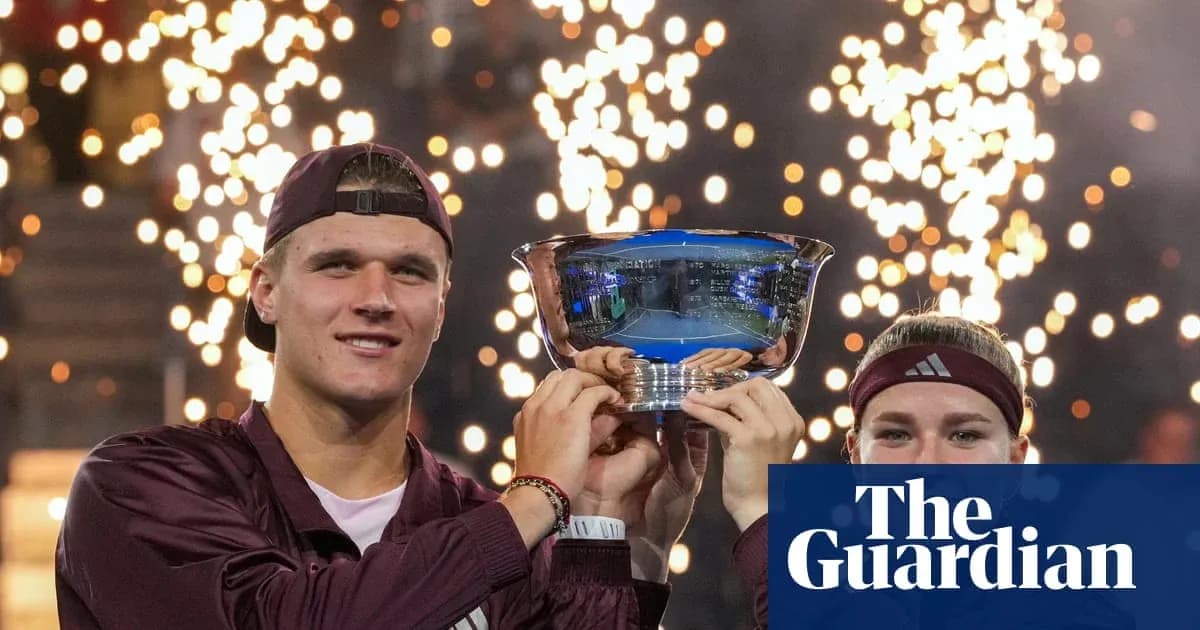
Under the Ashe lights, with $1m on the line and the clock edging towards midnight, Karolína Muchová and Jakub Menšík walked off as US Open mixed doubles champions, beating Belinda Bencic and Flavio Cobolli 6-3, 1-6, (10-6) in a final that felt like a sprint strapped to a pressure cooker.
Singles stars steal the stage
This revamped mixed doubles event was designed to lure singles royalty, and this year it finally played out that way. The draw, shrunk to 16 teams and armed with a seven-figure prize, had been accused of freezing out doubles specialists and cheapening the notion of a grand slam title with four-game sets, no-ad scoring and 10-point tiebreaks.
Last year’s winners, Sara Errani and Andrea Vavassori, came from the doubles ranks. This time, the singles elite took over.
Muchová and Menšík, both better known for their solo work, survived Mirra Andreeva and Andrey Rublev 5-4 (8-6), 3-5 (11-9) in a tense semi-final that burned through more than an hour despite the abbreviated format. On the other side, Bencic and Cobolli knocked out Elina Svitolina and Gael Monfils 4-5 (7-9), 4-1 (10-5), ending the popular couple’s run in a match that swung sharply after a chaotic first set.
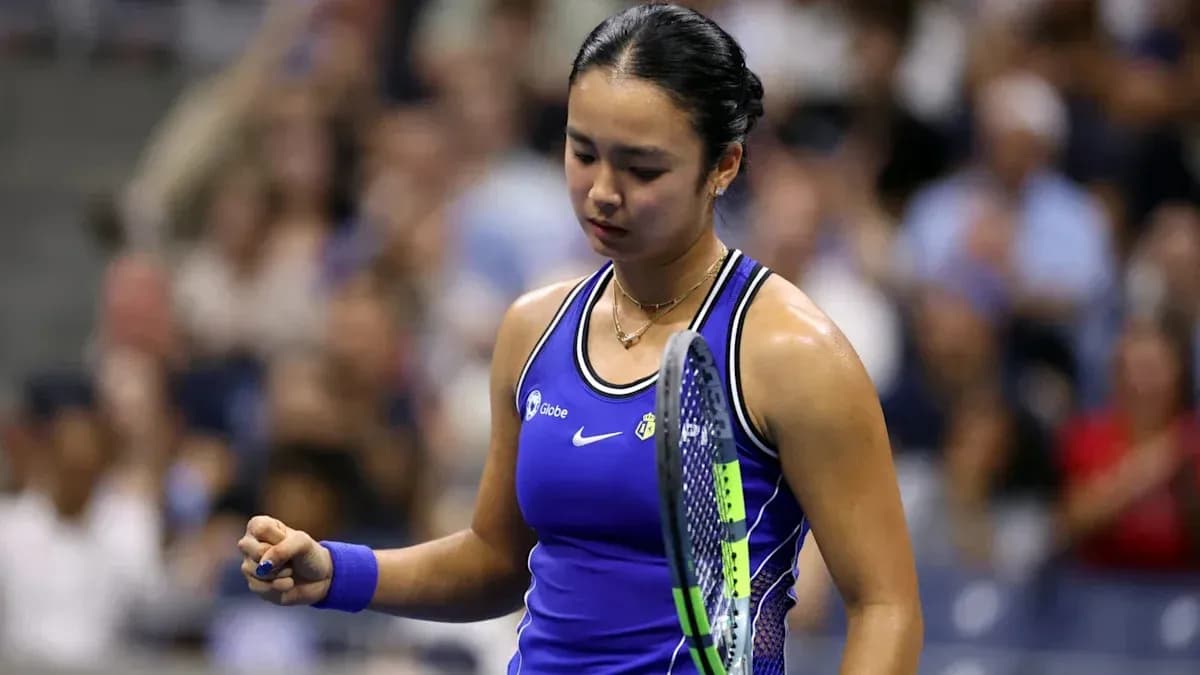
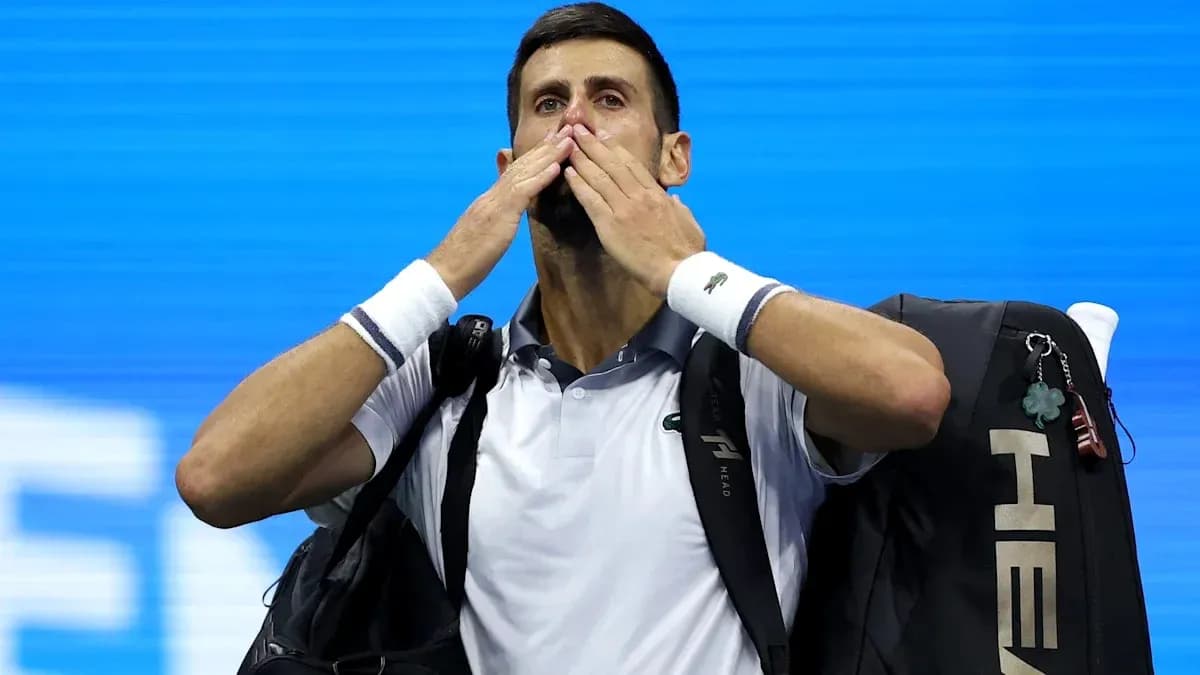
By Tuesday, the marquee names who had helped sell the concept – Serena Williams, Alcaraz, Novak Djokovic, Aryna Sabalenka, Felix Auger-Aliassime, Alex Eala – were all gone, most of them bounced early. The doubles specialists? Also cleared out by the quarter-finals.
What remained was a quartet of teams short on doubles pedigree but long on personality and nerve.
Beer, maroon, and a late-career push
The lighter side of the format never felt far away. Asked how she planned to fill the hours before the final, Bencic answered with one word: “Beer.” Cobolli’s face told its own story – amusement spiked with alarm.
Muchová and Menšík turned the aesthetic dial, turning up in color-coordinated pink-and-maroon kits. The idea came from Muchová; Menšík first had to ask what maroon actually was. Across the net in their semi-final, Andreeva joked she once had a crush on Rublev, who is nine years her senior, adding another odd little wrinkle to an already offbeat week.
No pairing carried more backstory than Svitolina and Monfils. Married since 2021, parents to a three-year-old daughter, they had somehow never played doubles together before this tournament. Svitolina arrived as world No 9; Monfils, ranked 307 and headed for retirement at the end of the season, came in on a singles wild card. Neither has ever gone beyond a grand slam semi-final in singles.
For two rounds they rode the wave. In Wednesday’s semi-final, they edged a tight first set in a tiebreak, grinding through long rallies and holding serve. At 7-7 in that breaker, Bencic’s backhand drilled an out-of-position Cobolli, then the Italian double-faulted to hand over the set.
He wore the frustration openly. When Monfils and Svitolina held to open the second, Cobolli started his own service game with another double fault. This time he steadied. Saving triple break point, he flipped the mood and, as it turned out, the match.
From there, Bencic and Cobolli dug in. They earned the first break in the third game from three points down, broke Monfils again without resistance two games later, and as the match ticked past the hour mark, they simply ran away. The Ashe crowd roared for Monfils and Svitolina, but sentiment could not save them. Bencic and Cobolli won 21 of the last 26 points.
Czechs walk the tightrope
If that semi-final turned on a single emotional pivot, the second one was a knife-edge from start to finish.
Menšík, all 6ft 5in of him, prowled the net, while Muchová lasered returns off both wings. They took the first set 8-6 in a tiebreak, sealed by a delicate backhand volley from Muchová that floated past Andreeva and died in the open court.
Andreeva and Rublev answered. They began finding the alleys, ripping winners and forcing the Czechs to play one more ball, then another. The second set went their way, and the match settled into a final tiebreak that felt like a mini-epic inside an already compressed format.
Twice the Russians stood on match point. Twice Muchová and Menšík held them off, Menšík’s serve bailing them out at the critical moments. Then, with the momentum finally tilting, they reeled off the last four points to steal it 11-9.
Their reward for that escape? Seventeen minutes to breathe before the final.
A final played on fumes and adrenaline
On paper, the lack of rest should have hurt the Czechs. On court, it barely registered at first.
Menšík pounded down four aces in the opening set of the final, Muchová picked her spots, and they collected eight winners as they rolled through 6-3. The tempo suited them: quick points, sharp patterns, no time to think about tired legs.
Then the match flipped again.
Bencic and Cobolli, just as they had against Monfils and Svitolina, found a wave in the second set. Muchová’s level dipped, her serve wobbled, and the Swiss-Italian pair broke to lead 4-1. By the seventh game, Bencic was dictating rallies, her cross-court forehand dragging the Czechs wide and forcing the decider into a tiebreak.
The stadium noise had thinned, but the tension hadn’t. The breaker became a test of nerve on serve. Muchová and Menšík held theirs when it mattered most. Bencic and Cobolli flinched, netting three of four key points. On triple championship point, Menšík uncorked his seventh ace of the night.
Title. Million dollars. A new line on both résumés.
A three-week US Open, and a springboard
By the time Muchová and Menšík lifted the trophy, Ashe was no longer packed. The earlier scenes told the broader story: this mixed doubles experiment has helped stretch the US Open into a three-week spectacle.
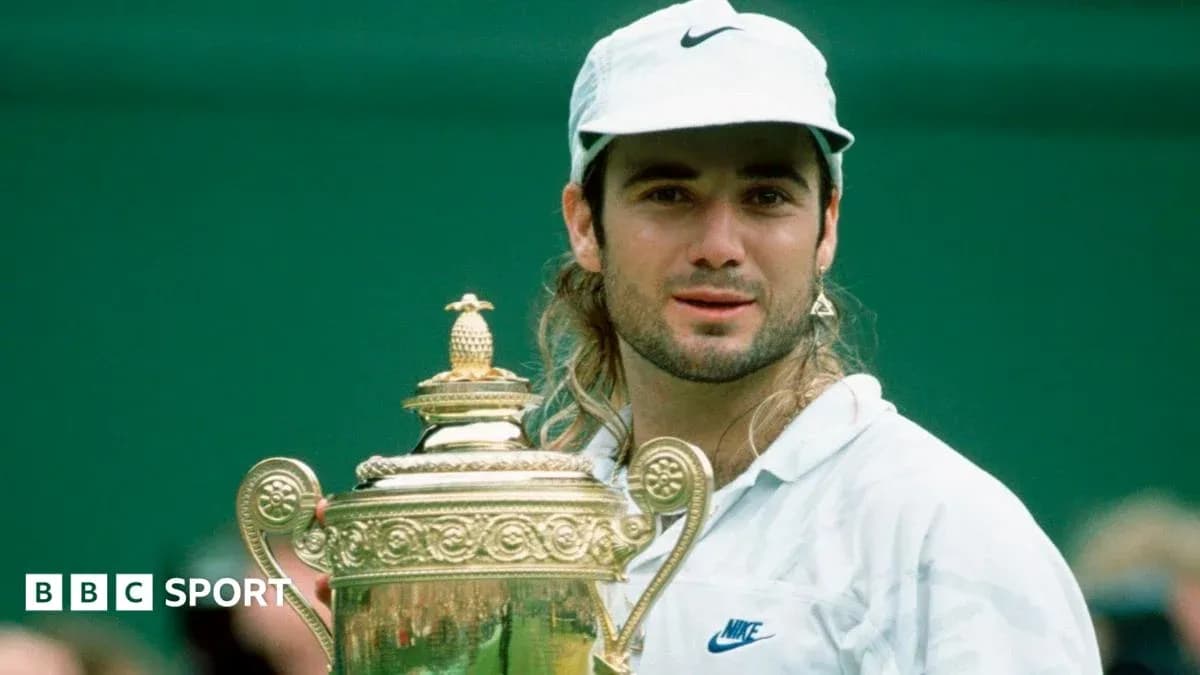
On Tuesday night, the stadium had been full for a pair of exhibition matches honoring Roger Federer, featuring Andy Roddick, John McEnroe, Andre Agassi and Federer himself. On Wednesday, the semi-finals drew a mostly full house. The star power worked. So did the tweaks.
Tournament organizers, stung by criticism from doubles specialists, had already softened their stance this year by adding an eight-team qualifying draw, opening a narrow door for more traditional teams. The format remains fast and unforgiving, but the event has found a personality – part show, part serious payday, and now undeniably attractive to top singles players.
Through it all, Muchová and Menšík insisted their real priority was still the singles draw. Muchová, ranked No 6 in the world, has already played two major finals and reached the last four in New York. Menšík is in the middle of a career-best season and chasing his first appearance beyond the third round here.
Singles starts Sunday. The climb gets steeper, the margins thinner, and the spotlight harsher than even a late-night mixed doubles final on Ashe.
But they walk into that arena now as champions, with a title already banked and a jolt of confidence Menšík freely acknowledged. For a pair who came here thinking about singles, what kind of damage might they do now that they’ve already learned how to win on this court?