Mike Hesson Addresses Pakistan Test Team Changes Before Edgbaston Finale
Pakistan arrive in Birmingham battered, reshaped and with an interim coach already keen to draw a line between his role and the sweeping changes that rocked the squad this week.
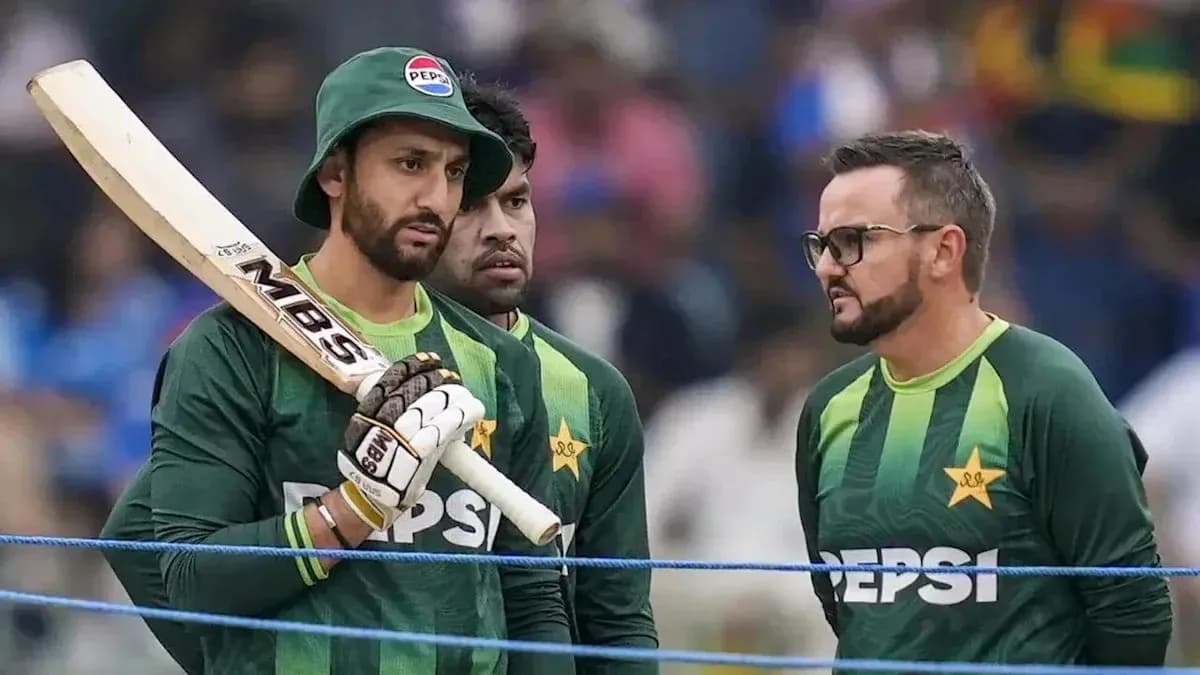
Mike Hesson, parachuted in as Pakistan’s red-ball coach for the third and final Test against England at Edgbaston from September 9, has made it clear: the decision to send three senior players home was not his.
The context is brutal. England have already ripped through the tourists, winning the first Test at Headingley by an innings and 103 runs, then tightening their grip with a 194-run victory at Lord’s to seal the series 2-0 with a match to spare. The response from the Pakistan Cricket Board was equally ruthless.
Seven players were released from the Test squad: Mohammad Rizwan, Salman Ali Agha, Imam-ul-Haq, Ali Usman, Aamir Jamal, Muhammad Awais Zafar and Khurram Shahzad. Head coach Sarfaraz Ahmed and bowling coach Umar Gul were also removed from their posts, with Hesson handed the reins for the dead rubber in Birmingham.
By the time he entered the picture, Hesson insists, some of the biggest calls had already been made.
“They were already on their way home”
Facing the media in Birmingham on Friday, Hesson moved quickly to clarify his position on the departures of Rizwan, Agha and Imam.
"When they (Pakistan Cricket Board) told me if I could manage the side for the final Test, these three players (Rizwan, Agha and Imam) were already released from the squad and (were) on their way home. So, I really don't know what happened there," he said.
It was a deliberate separation. Rizwan, Agha and Imam are established figures, and their omission inevitably raised questions about dressing-room politics and selection strategy. Hesson, just back in the country and stepping into a volatile situation, wanted no part of that narrative.
What he did accept, though, was responsibility for the rest of the shake-up.
"I was involved in the release of the rest of the players and the inclusion of some new players," he said, acknowledging his hand in the broader reshaping of a squad that had been outplayed across formats of the first two Tests.
From white-ball plans to red-ball fire-fight
Hesson’s arrival has been anything but gradual. He had been working with Pakistan’s white-ball setup, overseeing a camp in Lahore before heading to Japan for the Asian Games. That is where the call came.
"We already had a white-ball camp in Lahore and I had just returned from Japan where the Asian Games are taking place, when I was asked if I could manage the red-ball squad," he explained.
One moment he was planning limited-overs workloads and tournament schedules. The next, he was tasked with salvaging pride in a Test series already gone, against an England side in full control and at a venue that rewards discipline and variety.
That last word matters to him. Hesson has already hinted at wanting more options and different angles in Pakistan’s bowling attack, a clear nod to the tactical shift he believes is required if they are to trouble England at Edgbaston.
The series is lost. The scrutiny is not. For Hesson, this final Test is less about what has been taken away and more about what can be rebuilt in a single, high-pressure match.