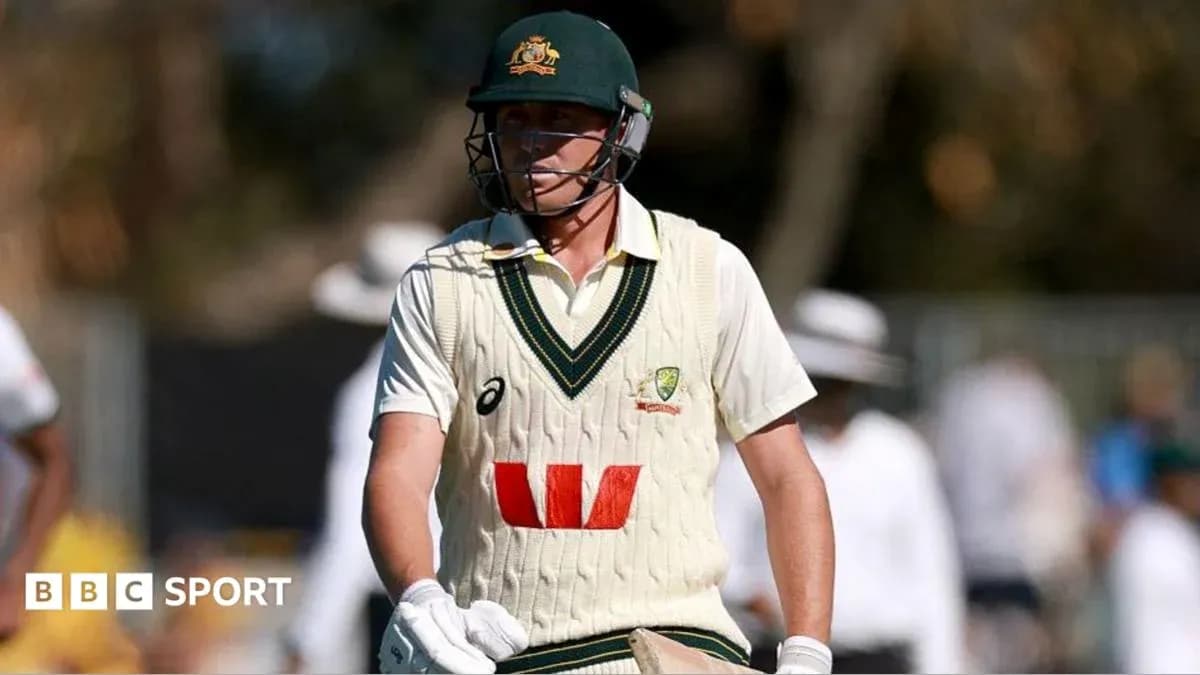
Marnus Labuschagne's Test Career at Crossroads as Australia Returns to South Africa
Marnus Labuschagne will walk back into South Africa next month with his Test career at a crossroads and his place, for now, still backed by the selectors.
The out-of-form No. 3 has been retained in Australia’s 16-man squad for the three-Test tour, despite a lean year with the bat and a difficult series in Bangladesh that sharpened the scrutiny on his position.
Labuschagne, 32, born in Klerksdorp before moving to Australia as a child, has not scored a Test hundred since 2023. In two Tests against Bangladesh last month he mustered scores of 1, 31 and 4, then found himself omitted from the white-ball squads for three ODIs in Zimbabwe and another three in South Africa.
The numbers are sliding. The faith, publicly at least, is not.
Selector George Bailey made it clear the panel expects more, but is not yet ready to close the door.
"We're not shying away from the fact that we'd like some more runs from Marn... but we're also confident that he can still make a positive contribution to that squad," Bailey said, pointing to a wider malaise with the bat. "Our batting group in its entirety, not just Marn, probably hasn't been functioning as successfully as we would like."
The obvious question followed: is this Labuschagne’s last chance?
Bailey pushed back. "No, I wouldn't say that. But again, it's a hypothetical, isn't it?" A line that offers protection now, but also underlines how fine the margins have become for a player who once felt immovable at first drop.
Return to South Africa, return to scars
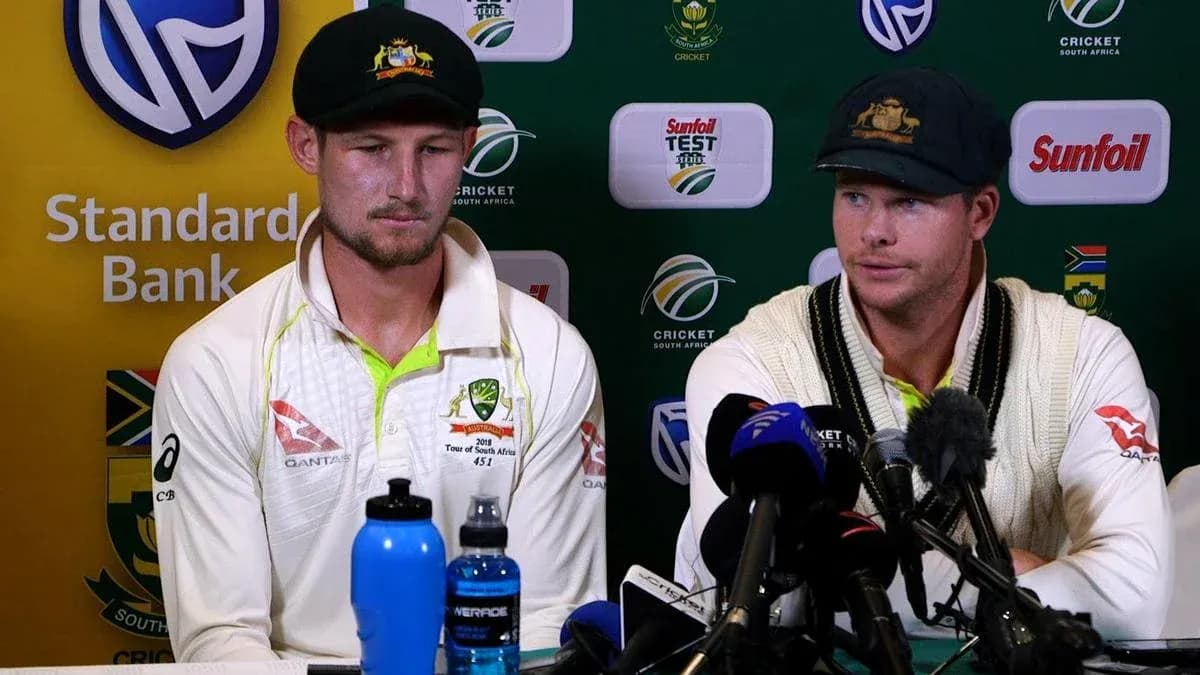
This is no ordinary tour for Australia. It is their first Test series in South Africa since the 2018 Sandpapergate scandal, the most bruising episode in recent Australian cricket history.
Back then, in Cape Town, sandpaper met ball, careers were derailed and reputations shredded. Captain Steve Smith and vice-captain David Warner received year-long bans for their roles in the plot to alter the condition of the ball during the third Test. The fallout reshaped the team’s leadership, culture and image.
Only six players from that 3-1 series defeat are still standing in the current Test setup: captain Pat Cummins, Mitchell Starc, Josh Hazlewood, Nathan Lyon, Smith and Matt Renshaw. The rest of the group is new to the emotional weight that will hang over this trip, but the history will be impossible to ignore.
For Labuschagne, the narrative cuts even deeper. A South African-born batter, now an established Australian international, returning to the country of his birth while fighting to justify his spot. It’s the sort of backdrop that can either crush a player or reignite him.
Squad stability, with a few fresh pushes
The selectors have resisted sweeping changes after the Bangladesh tour. The squad is otherwise unchanged from that last Test, with only three additional names adding a different flavour to the mix: Cooper Connolly, Matthew Kuhnemann and Michael Neser.
Connolly’s inclusion hints at long-term planning. Kuhnemann offers another spin option for surfaces that may tire and turn late in matches. Neser, so often on the fringes, again provides seam depth and experience in South African conditions he knows well from county and domestic stints.
Australia will open the series in Durban on 9 October before moving to Gqeberha and then Cape Town, where the shadows of 2018 will loom longest.
By then, the focus will not just be on how Australia handle old scars and hostile crowds. It will rest heavily on whether their misfiring batting order – and Labuschagne in particular – can rediscover its edge in one of the game’s hardest places to bat.
For a player once seen as the heartbeat of Australia’s top order, South Africa now offers something far more confronting: a test of whether that status still holds.