Mark Chapman Prioritizes BBL Opportunity Over NZC Contract
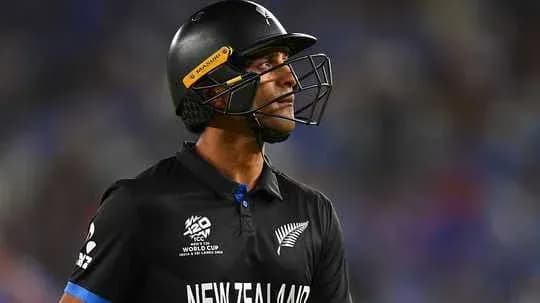
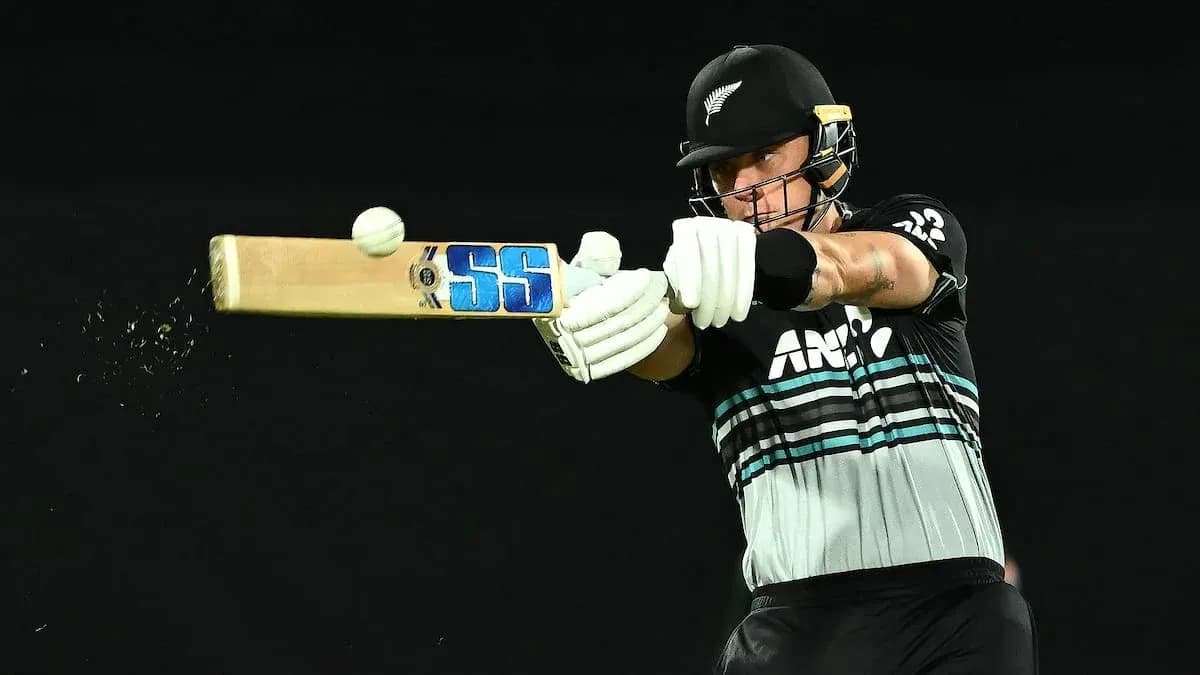
Mark Chapman has chosen the Big Bash League over the security of a New Zealand central contract, a clear sign of where the modern game’s economic gravity now lies.
The left-hander will move to a casual deal with New Zealand Cricket for the 2026-27 season, freeing himself to play the BBL while remaining available for the national side when schedules allow. It is a calculated move, not a farewell.
He is not alone.
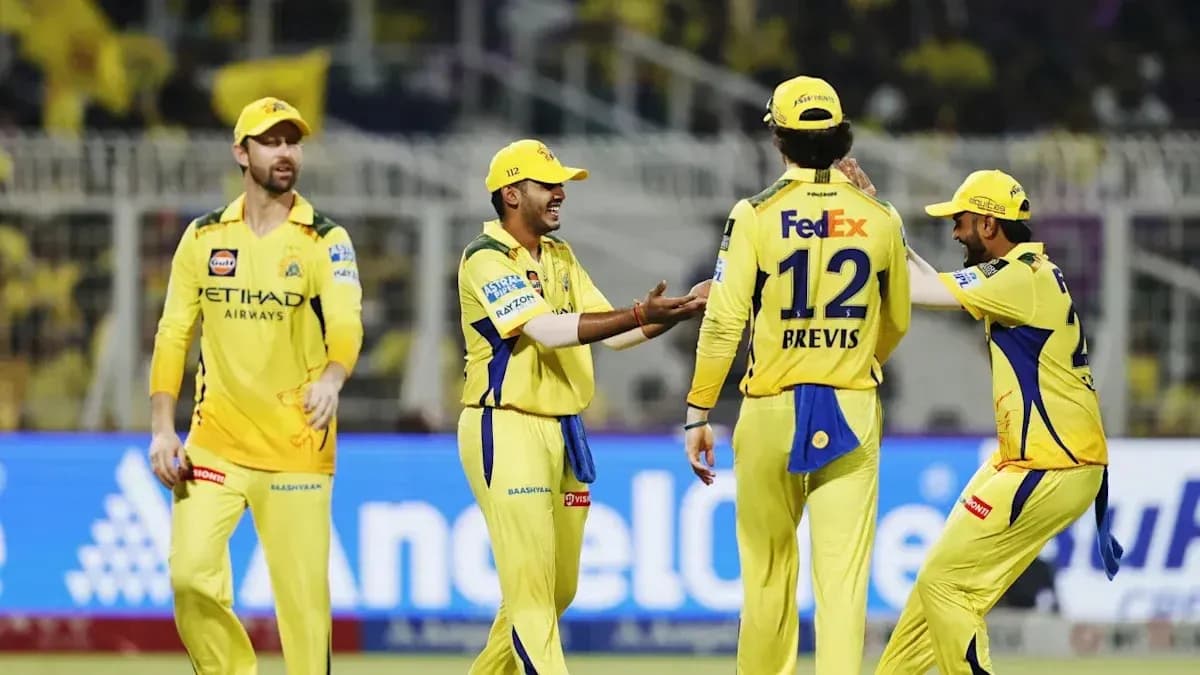
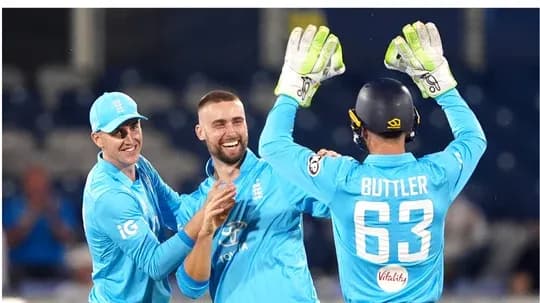
Chapman joins Finn Allen, Lockie Ferguson, Adam Milne and Tim Seifert on similar casual arrangements, a cluster of white-ball specialists looking to balance international ambition with the financial pull and exposure of franchise cricket.
Crucially, Chapman will still turn out in black for one of the marquee assignments on New Zealand’s calendar.
“I’m thankful to New Zealand Cricket for their support now and throughout my career,” he said. “The upcoming India series is one all us players are really excited for, and I’m committed wholeheartedly to performing in that series.”
That India tour of New Zealand launches a relentless home summer: 12 matches – five ODIs, five T20Is and two Tests – from October 22 to December 1. From mid-January, Sri Lanka arrive for three ODIs, three T20Is and two Tests. Wedged between those two full home series is a demanding four-Test tour across the Tasman against Australia.
It is against that backdrop that Chapman’s decision – and NZC’s response – makes sense.
BBL clash with Australia Tests and Sri Lanka series
The BBL 2026-27 runs from December 12 to January 26. Those dates cut straight through New Zealand’s four-Test tour of Australia (December 9 to January 8) and overlap with the white-ball leg of the Sri Lanka visit, including three ODIs and the first T20I on January 26.
For Chapman and his fellow casual-contract players, that window is too big to ignore. For NZC, the challenge is to keep the best talent within reach while accepting that some will chase franchise opportunities in peak months.
The governing body has chosen flexibility over confrontation.
Fisher steps up as fast-bowling stocks targeted
Chapman’s vacated central-contract spot has gone to Northern Districts quick Matthew Fisher, who secures his first national deal and, with it, a clear vote of confidence in his pace and potential.
“With Matt Fisher coming onto the central contract list, it creates a space at Northern Districts to bring another athlete onto their contract list to continue their development,” NZC Chief High Performance Officer Daryl Gibson said.
“Matt has impressed with the opportunities he’s had for the BLACKCAPS, and his pace is definitely something we want to nurture.”
Selection manager Gavin Larsen framed Fisher’s elevation as a direct response to the calendar’s demands rather than a simple like-for-like paperwork swap.
“With the heavy schedule of cricket coming up, notably the Test matches against India, Australia, and Sri Lanka, we know we’ll need good depth in our fast-bowling stocks to give the BLACKCAPS the best chance of success,” Larsen said.
“Matt is someone able to bowl that express pace which is extremely valuable to the balance of any side, so we’re excited to have him on the central contract list.”
New Zealand’s quicks will be asked to carry a heavy load: high-intensity home Tests against India, the cauldron of an Australian tour, then another multi-format assignment against Sri Lanka. Rotation will not be a luxury; it will be a necessity.
A squad built for a new reality
The shape of New Zealand’s contract list now reflects the sport’s shifting landscape. A core of centrally contracted players will shoulder the bulk of the red-ball work, while a band of casual-contract specialists orbit between international duty and global leagues.
Chapman sits squarely in that second group – an established white-ball batter, vital enough to be wanted for India at home, but also determined to maximise his BBL window.
Fisher, by contrast, represents the traditional Test-match investment: raw pace, backed by a central deal, earmarked for a season where fast-bowling depth might decide series against India, Australia and Sri Lanka.
One player steps back from the centre to chase opportunity; another steps in, tasked with delivering it. The schedule will decide who gets their reward.