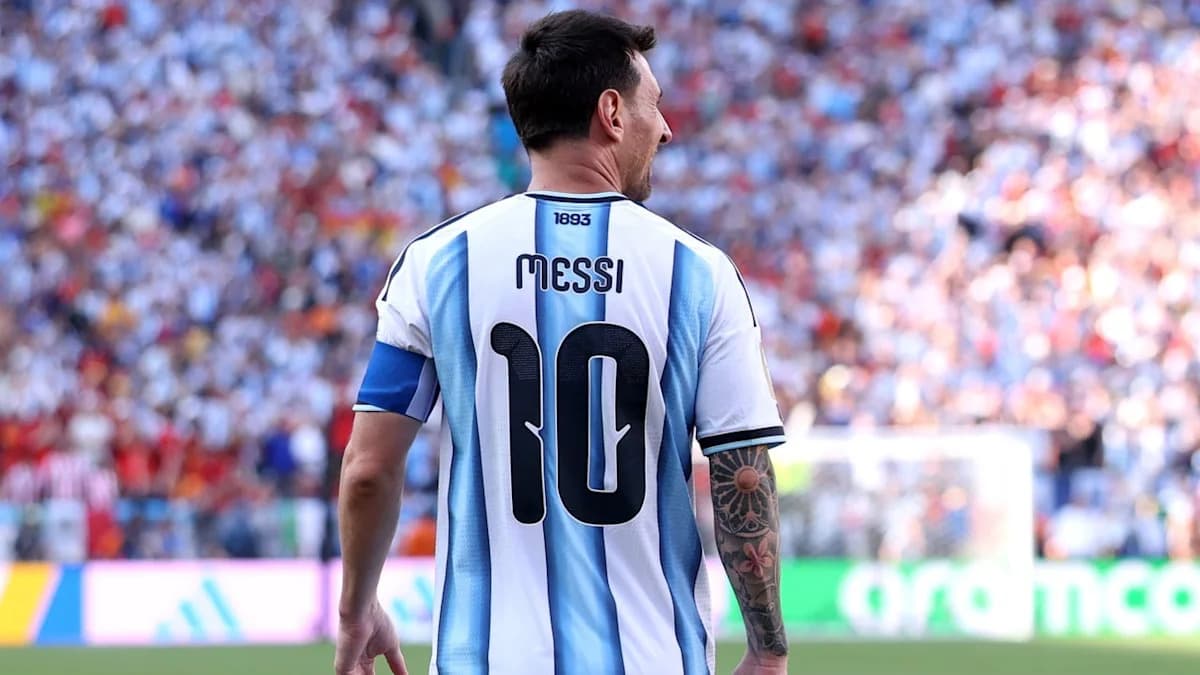
Lionel Messi Ends International Career with Dignity While Cristiano Ronaldo’s Departure Falters
Lionel Messi is stepping away from international football gracefully. His final match for Argentina takes place Tuesday night in a friendly against Benin at the Estadio Monumental, home to River Plate. At 39 years old and an eight-time Ballon d'Or winner, Messi announced his retirement after the 2026 World Cup.
Known as one of the greatest footballers ever, Messi’s performance at this summer’s World Cup only raised his reputation. Scoring eight goals and providing four assists, he briefly held the tournament's all-time top scorer title before Kylian Mbappe claimed the golden boot. Despite these impressive stats, Argentina fell short in the final, losing to Spain in extra time amid controversy and a post-match brawl that clouded their achievement.
Argentina’s Final Moments
The defeat was marked by frustration on the field, including incidents like Enzo Fernandez’s red card and appeals regarding alleged racism involving Marc Cucurella. Messi’s attempts to influence refereeing decisions highlighted a desperate moment for a player usually seen as near flawless. The team’s style in the final was criticized as anti-football, and their loss left a bitter aftertaste for fans and players alike.
After the final, Messi’s tears reflected the inevitability of his international career winding down. The passing of his father and agent Jorge shortly before the announcement added personal weight to his decision. On Instagram, Messi expressed deep affection for representing Argentina but admitted he had nothing more to give and praised the young talent coming through.
Career Highlights and Legacy
Messi’s international tenure spanned 21 years, during which he played 207 games, scored 125 goals, and assisted 68 times. His trophy cabinet includes a World Cup, two Copa Americas, and an Olympic gold medal. Yet his career was often marked by near misses, with runner-up finishes in two World Cups and three Copa Americas. His influence fueled a team built around him, led by Lionel Scaloni, that finally secured Argentina’s first World Cup win since 1986.
Contrast with Cristiano Ronaldo’s Exit
Messi leaves the stage as a celebrated hero. Cristiano Ronaldo, once his GOAT rival, faces a far less dignified end. After years of impeding Portugal’s progress by occupying a starting spot despite declining form, Ronaldo refused to retire at the natural end of the World Cup cycle. Instead, he left the national squad abruptly following an unused substitute appearance in a Nations League match against Norway—a game Portugal won with his replacement Goncalo Ramos scoring the decisive goal.
Ronaldo announced his departure on social media, promising to reveal his reasons later, but public interest has waned. At 41, his repeated public outbursts resemble juvenile theatrics rather than mature reflection. This behaviour only damages his legacy further, contrasting sharply with Messi’s poised farewell.
Messi’s Enduring Glow
Despite falling short on football’s biggest stage twice, Messi’s reputation remains untarnished. In Buenos Aires, emotions will run high—gratitude, pride, and sadness—but anger or disappointment will not taint his sendoff. Messi has shaped an era in Argentine football and departs with his dignity intact and head held high.