Kylian Mbappé's Meme Incident Sparks Diplomatic Crisis in China
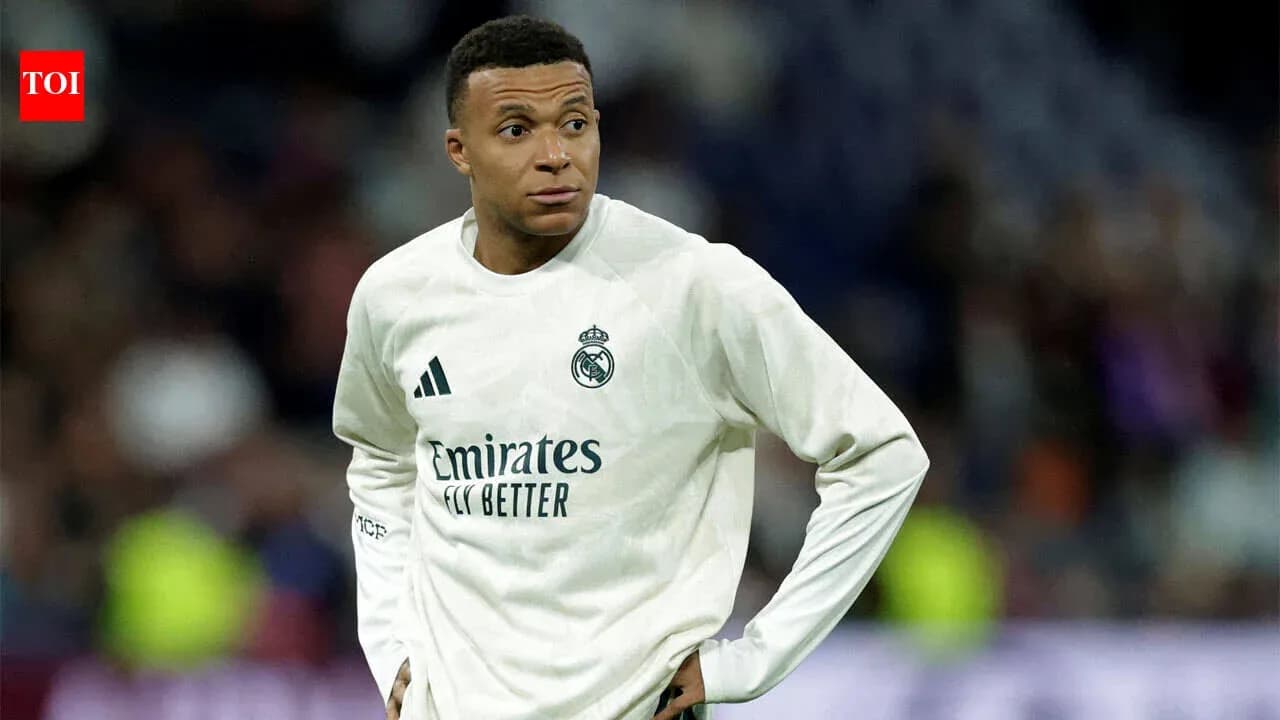
Kylian Mbappé walked into a light-hearted podcast chat. He walked out at the centre of a geopolitical storm.
What began as an offhand remark about a meme has spiralled into a full-blown diplomatic and commercial crisis in China, dragging Real Madrid and LaLiga into the fallout and putting one of football’s most powerful markets on edge.
A Meme, a Name, and a Flashpoint
The spark came on The Bridge, a French football podcast, in a video that has since been pulled. Mbappé was shown a viral meme: his face digitally grafted onto an image of Mao Zedong, a running online joke casting him as a “dictator” with outsized influence at his clubs.
Laughing about the image, he referred to the figure as “some guy, I think he's a Chinese dictator.” He did not say Mao’s name. He did not need to. Viewers recognised the image instantly, and the clip raced around Chinese social media.
Reuters noted it could not independently verify the footage, but by then the damage was done. What Mbappé likely saw as a throwaway line about internet culture cut straight across one of the most sensitive nerves in Chinese public life.
Mao, who ruled from 1949 until his death in 1976, remains a towering and deeply contested figure in China — revered by many as the founder of modern China, associated by others with campaigns that brought immense suffering and millions of deaths. Jokes and satire around Mao are not just frowned upon; they are combustible.
The result: a casual meme discussion morphed into an international incident, with a superstar forward suddenly cast as a lightning rod in a debate far beyond football.
Apologies in Three Languages, But No Quick Exit
The backlash was immediate and fierce. Chinese fans voiced anger, state-linked outlets amplified the criticism, and brands began to move.
On October 27, Mbappé issued a public apology, published in French, Mandarin and English. The Real Madrid forward admitted he had misjudged the moment.
“During a recent interview, I reacted to an image of myself. My comment was ill-judged, and I now understand that it hurt many people in China and in Chinese communities around the world,” he said. “I apologise to everyone my words have upset. This was absolutely not my intention. I have deep respect for the Chinese people and their history, and I am sincerely sorry.”
Real Madrid followed with its own statement, apologising to the Chinese people for any discomfort caused by their player. LaLiga also expressed regret, stressing that Mbappé had spoken in a personal capacity and that his remarks did not represent the league.
Beijing took note, but did not close the file. China’s Foreign Ministry spokesman Guo Jiakun acknowledged the apology, saying authorities “take seriously the apology the individual concerned has made.” The tone was measured. The reaction on the ground was not.
Sponsors Walk Away, Screens Go Dark
The commercial consequences arrived with brutal speed.
Chinese companies Dongpeng Beverage Group, Mengniu Dairy and Shanghai Milkground Food Tech cut ties with Mbappé, ending partnerships that had helped position him as a face of global brands in one of the world’s most lucrative consumer markets.
Then came the move that rattled Spanish football. CCTV, the state-owned broadcaster, suspended its coverage of LaLiga matches. Advertising campaigns fronted by Mbappé disappeared. His accounts on Weibo and Xiaohongshu faced restrictions. In a country where image and access are everything, Mbappé’s presence was abruptly pushed to the margins.
Streaming platform Migu, which holds LaLiga rights in China, went a step further with a targeted snub: it excluded Real Madrid’s match against Racing Santander from its coverage last weekend, while still showing other Spanish league fixtures.
For LaLiga, the timing and the target could hardly be more alarming. The league’s current broadcasting agreements with CCTV and Migu run until the end of the 2029–30 season. LaLiga president Javier Tebas has put the present annual value of those deals at around €10 million — already a fraction of the approximately €100 million a year they once commanded at their peak.
Now even that reduced figure looks fragile.
Beijing Calls, Madrid Listens
The issue has moved from social media outrage to state-level concern.
On November 6, China’s ambassador to Spain, Yao Jing, confirmed that Beijing is in direct communication with Real Madrid, LaLiga and other Spanish institutions. There are no formal negotiations on the table, he said, but there is dialogue — and a clear desire on China’s side to be heard.
“There are no negotiations, but there is communication, based on mutual understanding,” Yao told Spanish news agency EFE before attending a forum at the University of Salamanca. “This unfortunate incident hurt the feelings of many people in China, who now have to come to terms with the current situation.”
Tebas had already met Yao the previous week as Spanish football scrambled to contain the damage. The LaLiga chief later insisted the league was still talking with Chinese authorities and “working to resolve it.”
Yet patience, not speed, appears to be Beijing’s message. EFE reported comments from Chinese embassy attaché Xie Tianyu underlining that the apology alone would not immediately restore normality.
“There is not enough time, the Chinese people need time to digest this, it is not an easy issue for the Chinese people, and it is a club that has had many followers and much love in China,” Xie said.
China Media Group signalled a similar stance: it would listen to Mbappé’s apology but, “more importantly”, watch what he does from here.
As of November 6, CCTV’s suspension of LaLiga coverage remains in place. The broadcaster has confirmed receiving Real Madrid’s apology. It has not given any indication of when, or if, the blackout will end.
Football’s New Fault Line
Strip away the memes and the social media noise, and the episode exposes a hard reality for modern sport.
Global stars like Mbappé operate not just in dressing rooms and stadiums, but in political landscapes where a single sentence can jeopardise sponsorships, broadcasting deals and entire markets. Leagues such as LaLiga, already fighting the Premier League for global attention, cannot afford to lose visibility in China, yet they cannot fully control what their biggest personalities say.
For now, one remark about “a Chinese dictator” has left a superstar’s brand damaged, sponsors gone, and Spanish football’s access to hundreds of millions of viewers on hold.
The apologies are on the record. The conversations have started. The screens in China, though, are still largely blank — and the next move may say as much about football’s future in the country as any result on the pitch.