Knicks Consider Trade: Miles McBride for Yves Missi
The New York Knicks are staring at a familiar crossroads: keep a beloved role player and pay the price later, or move him now and gamble on upside in the frontcourt.
This time, the name on the line is Miles McBride.
The 25-year-old guard is heading toward a payday next summer that league insiders expect to be sizable, the kind of number that becomes a luxury when a team is already tiptoeing around the NBA’s second apron. The Knicks already watched Mitchell Robinson leave to avoid that financial trap. Letting a second key rotation piece walk for nothing would be a harder pill to swallow.
So a clean, almost too-neat solution has started to circulate: McBride to New Orleans, Yves Missi to New York.
On the books, it fits with barely a wrinkle. The Pelicans would absorb McBride’s expiring $3.9 million deal into the $4.5 million trade exception created in the Jose Alvarado move. The Knicks would take on Missi’s rookie-scale contract without crossing the dreaded apron line. No extra salary ballast, no gymnastics. Just a straight swap of a proven guard for a young big.
For the Knicks, the attraction is obvious. Missi is not a new crush.
New York pushed hard for the 22-year-old Cameroonian center before last season’s February deadline, with some around the league describing him as a “dream” target for the Leon Rose front office. The Pelicans held firm then, convinced enough by his rookie year to keep him in the building. Now, after Robinson’s departure, the Knicks’ need at center has only sharpened.
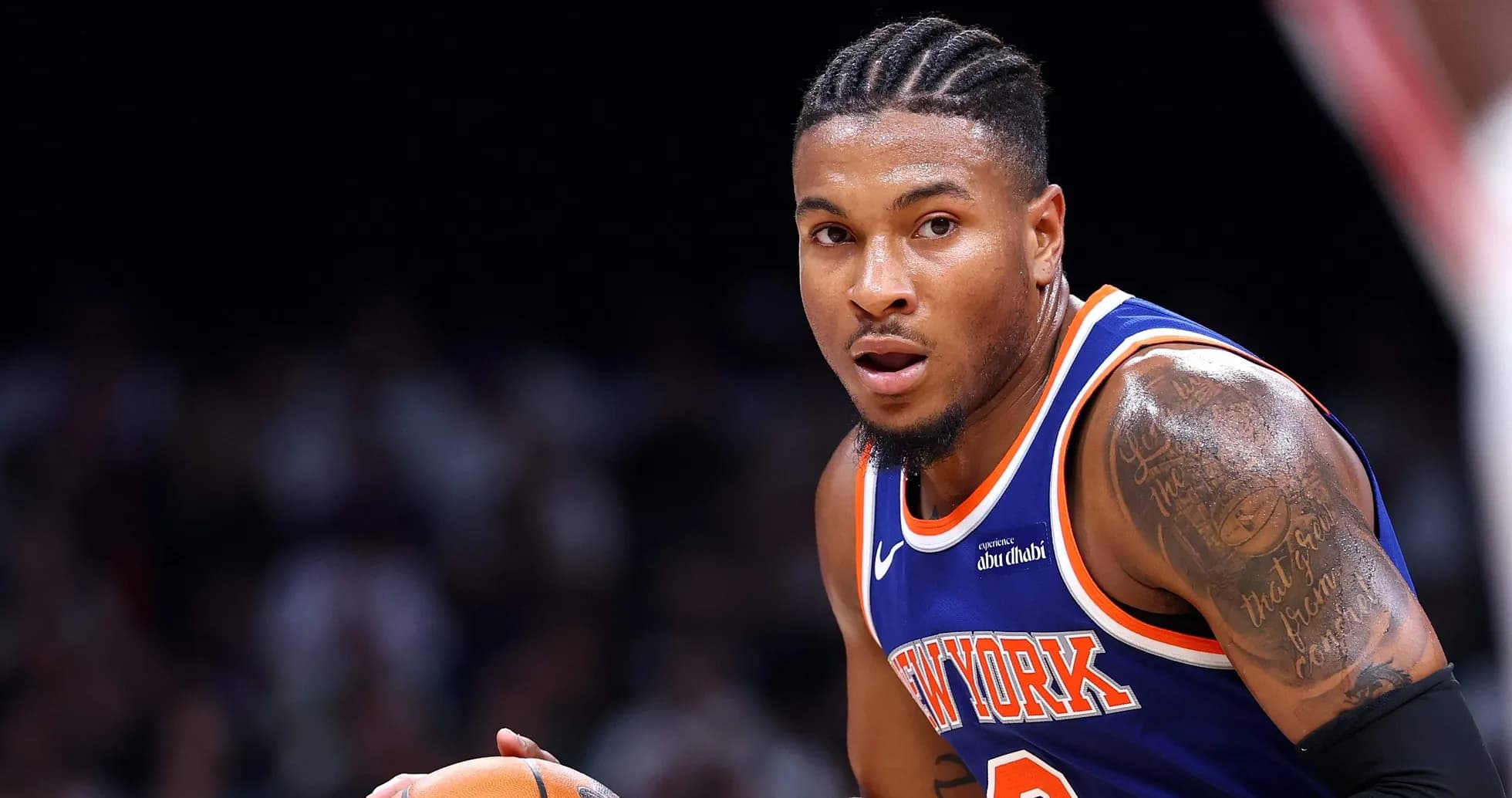
Losing McBride would sting. Over the last three seasons, he has grown into arguably the Knicks’ best bench player, a tough, two-way guard who hits big shots and defends with an edge that fits the Garden. But the backcourt picture has shifted.
Landry Shamet’s surge in the postseason changed his standing. Jordan Clarkson’s decision to re-sign keeps another proven scorer in the mix. Tyler Kolek, entering his third year, is pushing for more minutes and responsibility. The depth that once made McBride indispensable now makes him movable.
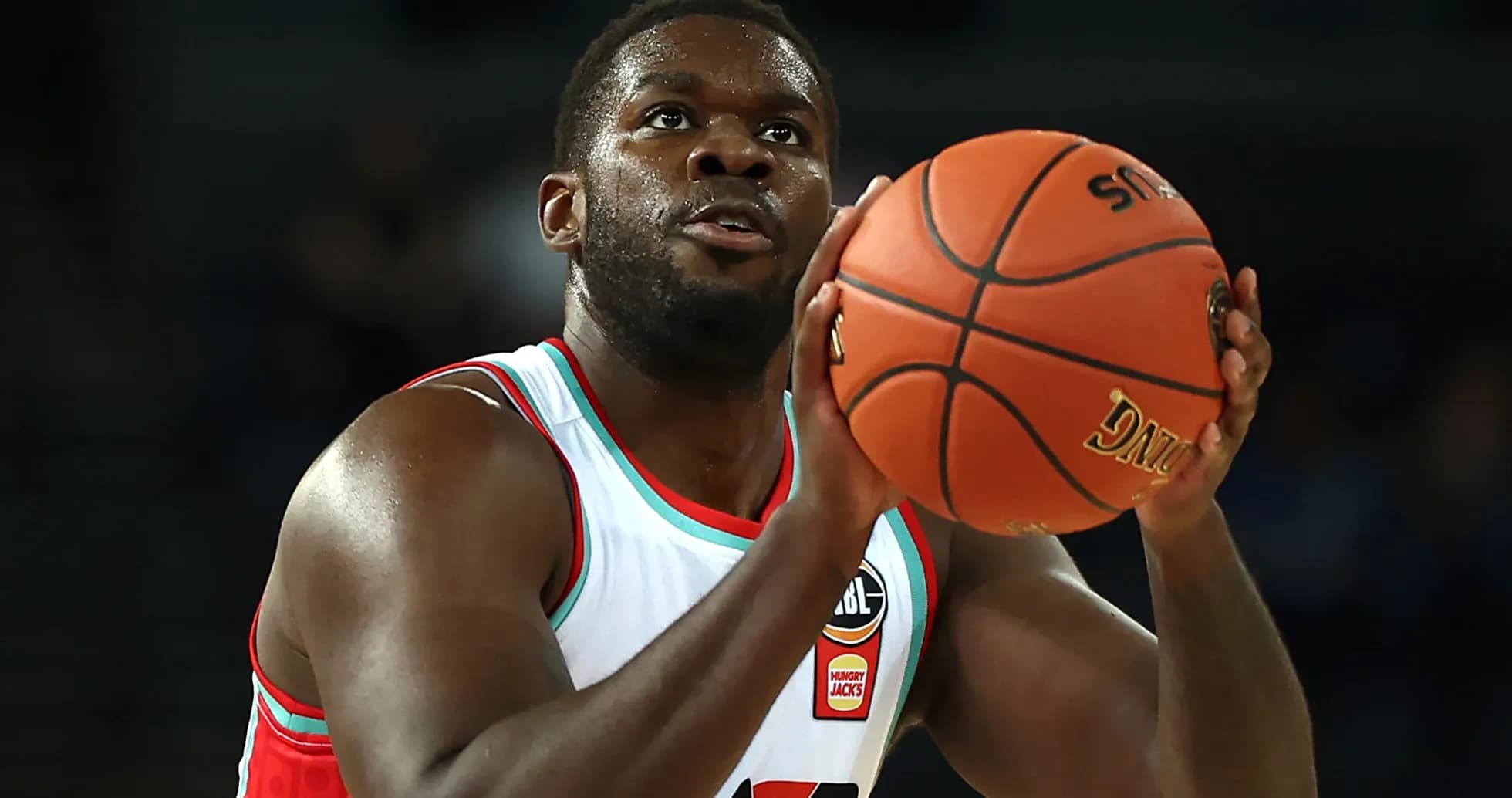
Missi, on the other hand, offers something the Knicks badly need: size with bounce and defensive teeth. In his first two seasons with the Pelicans, the third-year big posted 10.9 rebounds and 2.2 blocks per 36 minutes, numbers that hint at a high-impact rim protector if given a consistent role. He has already flashed the kind of rebounding presence and shot-blocking timing that can anchor bench units and eventually grow into more.
For a Knicks team that just lost its long-time defensive backbone in Robinson, that profile is hard to ignore.
In New Orleans, the logic cuts a different way.
This is about clearing the lane for Derik Queen.
Missi started 67 games as a rookie, then watched his minutes evaporate in year two as the Pelicans shifted toward Queen as their center of the future. The demotion did not sit well. According to ClutchPoints’ Brett Siegel, Missi and his camp felt “disrespected” by the steep drop in playing time, and tension built between player and franchise as the season wore on.
At some point, an organization has to choose. The Pelicans’ answer appears obvious: Queen carries more upside and a higher perceived ceiling as a potential star. Keeping Missi as an unhappy backup behind him risks turning a position of strength into a lingering headache.
Swapping him for McBride offers a clean break and a useful return.
McBride is 25, young enough to fit into New Orleans’ broader youth movement, but seasoned enough to step into real minutes immediately. He can spell Dejounte Murray and Jeremiah Fears, or share the floor with either as a combo guard. His reputation as a tough shot-maker and committed defender fits neatly with what the Pelicans want around their core.
For New York, Missi represents a chance to rebuild the center rotation on the fly without blowing up the cap sheet. For New Orleans, McBride turns a crowded, tense frontcourt into a more balanced backcourt rotation and gives Queen undisputed ownership of the paint.
Two teams, two timelines, one tidy trade.
The only question now is whether either front office is ready to turn a smart idea on paper into a real decision with real consequences.