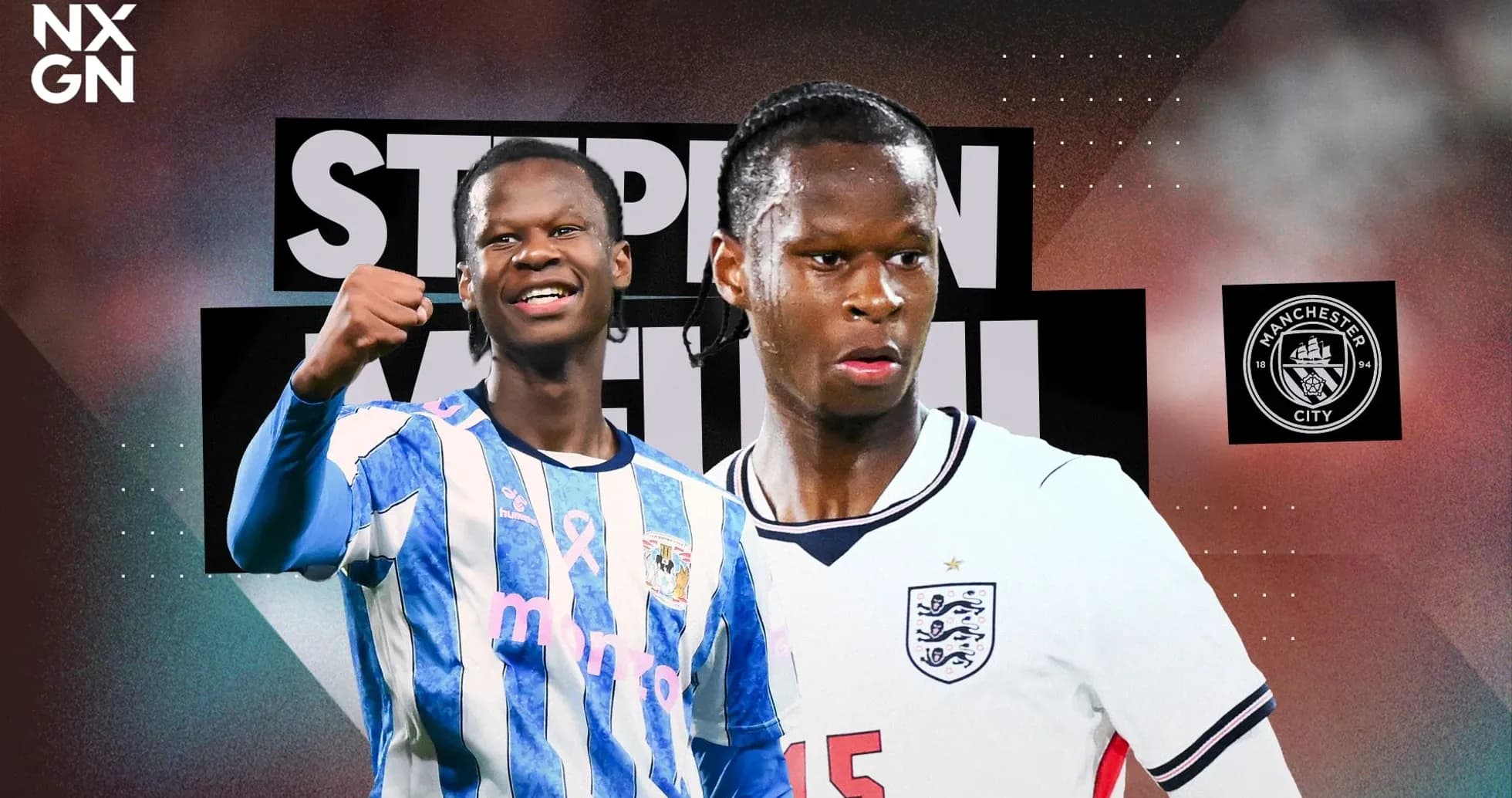
Kian Mfuni: Rising Star of Manchester City and Coventry
At nine years old, he stood at a crossroads most children only dream about. Liverpool or City? For Kian Mfuni, the pull of Manchester City’s academy won the day, and from that moment his rise has barely paused for breath.
He tore through the age groups, a 16-year-old commanding games for the Under-21s as if he’d been there for years. Coaches talked about his calm, his timing, his comfort on the ball. Opponents saw something else: a defender operating at a different speed.
He was so convincing that Pep Guardiola took him on City’s pre-season tour of the United States after the 2023-24 title win. For a teenager, it was a different world. Training with Erling Haaland, listening to Guardiola dissect his positioning, then being thrown on late in a friendly against Chelsea. It wasn’t a token gesture; it was a glimpse of the path in front of him.
That season brought the FA Youth Cup with City in 2024. The next, the U21 Premier League title. Trophies at youth level can blur into each other at a club like City, but for Mfuni they were markers of acceleration. Before long, his name started appearing on senior team sheets — on the bench for Champions League nights and Premier League fixtures, one step away from the real thing.
The moment came in brutal, unforgettable fashion. A 10-1 FA Cup demolition of Exeter earlier this year, Nathan Ake off at half-time, Mfuni on. The scoreline may have been surreal, but for the teenager it was simple: this was a debut he had spent half his life chasing.
City’s plan, though, was never to leave him in the shadows of the Etihad. Weeks later he was at Watford, stepping into the space left by Max Alleyne, who had been recalled to help cover a defensive injury crisis back in Manchester. Alleyne had already sold him on Vicarage Road — the warmth of the place, the way the club nurtured young players, the welcome from staff and squad alike.
Valon Behrami, assistant to the sporting director, spelled out why Watford moved for him. An intelligent defender. Strong at covering the space in behind. Quick across the ground. Comfortable carrying the ball out. Able to play both centre-back and left-back. In short, a modern defender with a modern toolkit.
He didn’t need long to justify the scouting reports. Mfuni forced his way into the starting XI and looked ready to turn a loan spell into a proper launchpad. Then came Stoke. Late in a 3-1 defeat in March, an ankle injury stopped him cold. Season over. Loan cut short. Back to City, but without the bank of senior minutes everyone had planned for.
The next test has arrived even quicker than expected. Newly-promoted Coventry, battling to stay in the Premier League, have turned to him at a moment of need. A calf injury to Aurele Amenda and Frank Lampard’s decision to shift from a back three to a back four have opened a door. Mfuni has walked straight through it.
He announced himself off the bench against Newcastle. One driving run, one clean finish, and Coventry were on their way to a 4-1 win. It was the sort of goal that tells you everything about a defender’s mentality: head up, aggressive with the ball, unafraid of the space in front of him.
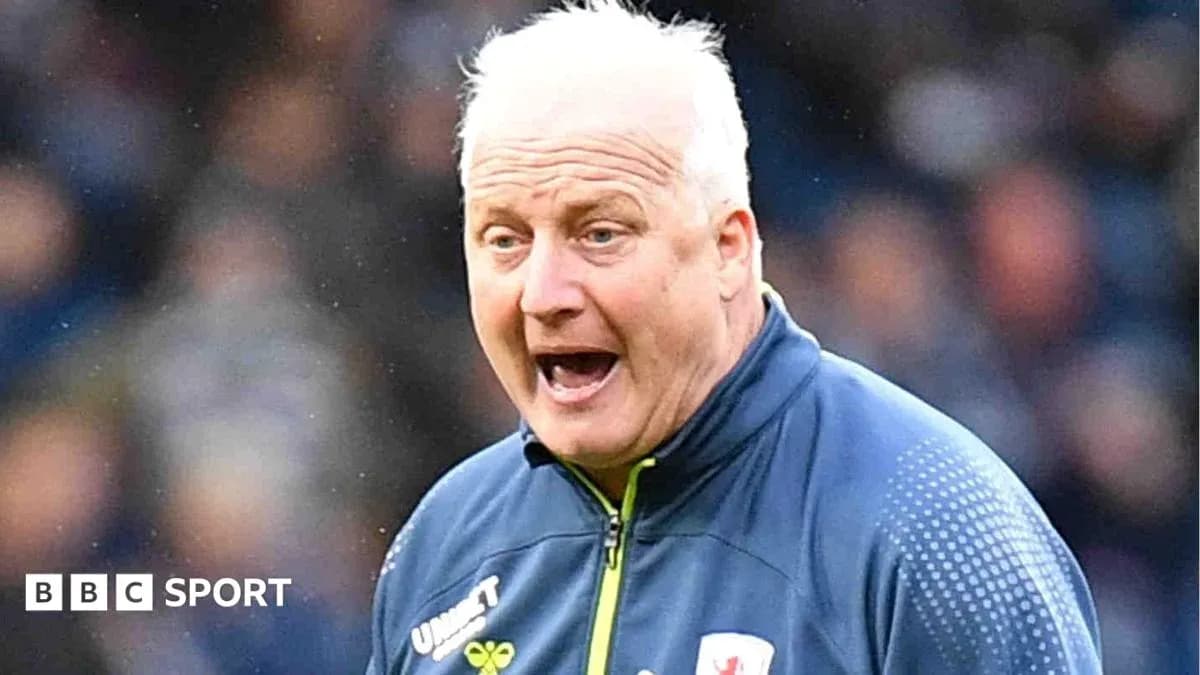
Lampard rewarded that cameo with a start in the 3-1 victory over Sunderland. This time, it was the bread-and-butter work that stood out — clearances, blocks, the ugly bits that managers trust. The Coventry manager chose his words carefully, but the message was clear. In his eyes, some players are on one level, some on another. Mfuni, he suggested, belongs with the latter.
Lampard praised his confidence, his character around the training ground, his humility. He stressed that he didn’t want to overdo the compliments, wary of feeding an 18-year-old’s ego. Then he said the line that matters most: “He’s going to go a long way in the game.”
That belief isn’t confined to club football. Mfuni has already climbed to the summit of England’s youth ranks. His first England Under-21 call-up brought an immediate start at left-back in a 4-2 win over Kazakhstan, followed by a switch back to centre-back in a defeat to Ireland. Two positions, one message: the coaches trust him wherever he plays.
His style carries clear fingerprints from his education at City. On the ball, he moves with his head up, scanning for a forward pass rather than settling for the easy sideways option. His acceleration lets him step out from the back and drive into midfield, turning defence into attack in an instant. He credits Guardiola for that shift in mindset, for opening his eyes to the value of carrying the ball with intent and adding goals to his game.
Against Newcastle, that lesson came to life. The same conviction that saw him surge forward in youth finals appeared on a Premier League pitch, this time with survival points on the line.
Defensively, there is more to his game than just composure. He uses his height well, looks assured in the air, and has shown a surprising turn of pace when forced to defend space. Yet he is still raw. At times he dives in too quickly, goes to ground when staying on his feet would serve him better, and risks being beaten or giving away fouls in dangerous areas.
Guardiola’s pre-season words still echo in his game: be more aggressive, get that inch in front of attackers, use your body shape. It’s a fine balance — front-foot defending without recklessness — and he is learning it on the fly in the most unforgiving league in the world.
Watch him closely and the influences are obvious. There is a touch of Josko Gvardiol in the way he steps out, comfortable at both left-back and centre-back. There are shades of Virgil van Dijk in his use of his frame and his calm in duels. Add a hint of John Stones in possession, and you see the template he is chasing.
He is not yet as ferocious on the ground as Gvardiol, nor as domineering in the air as Van Dijk. Those are reference points, not realities. But he has absorbed elements of all three — the versatility, the passing range, the aerial timing — and stitched them into his own profile.
Two years ago, he caught Guardiola’s eye as a 16-year-old. Now, Lampard is publicly backing him in a relegation fight. That is not a normal trajectory for a defender still in his teens.
The task in front of him is brutally clear. Help keep Coventry in the Premier League, then return to Manchester with a body of work that demands attention. No more potential on paper. Evidence on grass.
If he can iron out the rash moments, find consistency in the chaos of a survival scrap and keep developing at this speed, the question will not be whether he plays for City’s first team.
It will be how long they can keep him there.