Kevin Pietersen Enhances England's Spin Game Ahead of World Cup
Kevin Pietersen has returned to England colours in a very different role, but the impact is already being felt where it so often hurts them most: against spin.
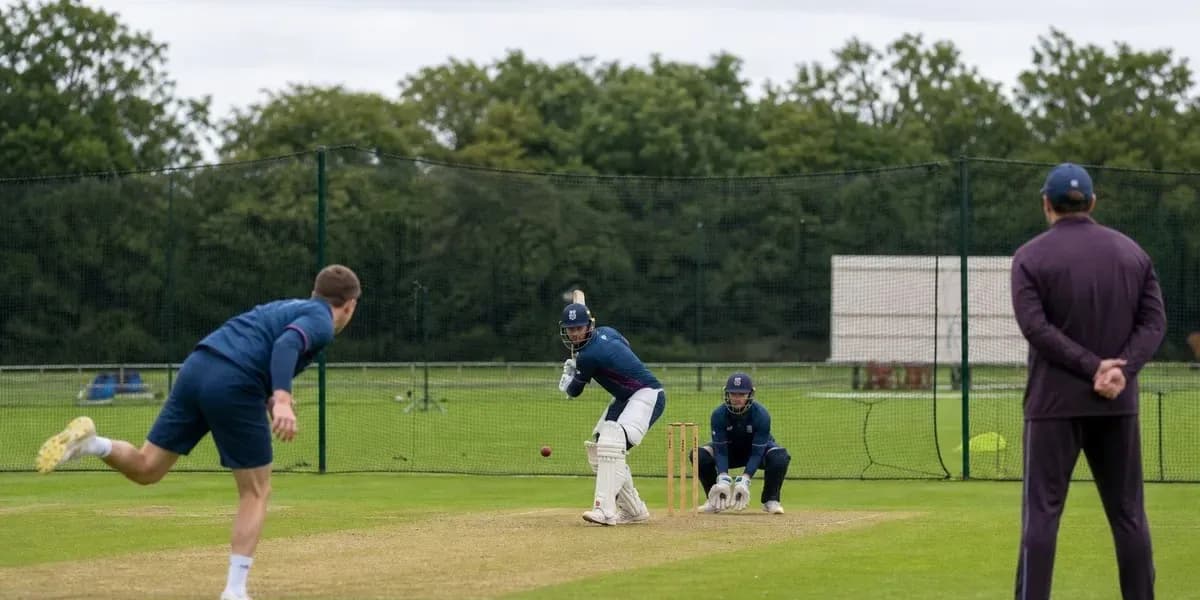
Brought in this month as a specialist coach for England’s limited-overs sides ahead of next year’s World Cup, the 46-year-old has gone straight to work with a masterclass on how to handle slow bowling. Captain Harry Brook has wasted no time in nailing his colours to the mast. He is convinced this is exactly the area England must crack.
The message from Pietersen’s session was simple, but brutal in its detail: learn to judge length better. Get that right, and everything else against spin begins to fall into place – the ability to rotate strike, to disrupt rhythm, to turn pressure back on the bowler instead of freezing under it.
Brook made it clear that this is not a cosmetic tweak. In One Day Internationals, he believes, England’s success or failure against spin can swing entire contests. On subcontinental pitches, in knockout matches, when the ball grips and the fielders crowd in, that technical edge becomes a psychological one.
If anyone in the modern English game can speak with authority on this subject, it is Pietersen. He is England’s third-highest run-scorer across all formats and, at his peak, one of the most destructive players of spin in world cricket. Brook also pointed to Joe Root and Marcus Trescothick as benchmarks, examples of how English batters can prosper against high-class spin rather than simply survive it.
This is not theory being scribbled on a whiteboard. The first evidence arrived quickly.
Statement series against Sri Lanka
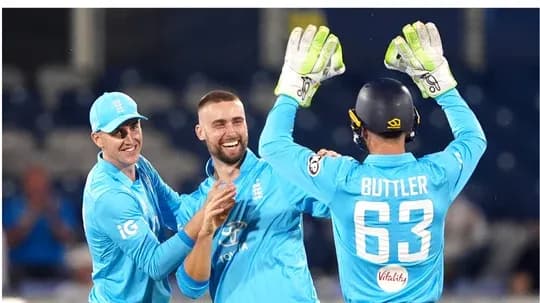
In Pietersen’s first series back in the England setup, Brook’s side swept Sri Lanka 3-0 in Twenty20s, dismantling a team that leans heavily on its spinners. England did not just cope; they controlled. They picked length earlier, knocked the ball into gaps, and then, when the moment came, hit hard enough to break games open.
The reward was immediate in the rankings too. That clean sweep lifted England above India to the top of the Twenty20 world standings, a symbolic marker of where they want to live as a white-ball side.
Now comes the next examination: a three-match home ODI series against the same opponents, starting later on Tuesday. Different format, same question. Can England transfer that new clarity against spin from the shortest format into the 50-over game, where periods of pressure last longer and mistakes cost more?
Brook has set the tone. He wants his team to ride the momentum of the Twenty20 wins, not sit on them. He has spoken of playing at a higher tempo, of using both bat and ball to squeeze opponents rather than drifting through the middle overs – the phase where spin so often dictates terms.
There is a broader ambition running through his words. Brook insists England are aiming to become one of the best-prepared teams in world cricket. That means work that spectators never see: hours on judging length, planning options, drilling scenarios, and matching the physical load with the same intensity off the field.
The captain believes the squad is moving in the right direction. The early signs under Pietersen’s guidance back that up. Now the ODI series against Sri Lanka will show whether this is just a bright spark or the start of a sustained shift in how England face the one challenge that has so often undone them when it matters most.