Karolina Muchova and Jakub Mensik Win US Open Mixed Doubles Title
Karolina Muchova walked back into the spotlight at Flushing Meadows with stitches still fresh in her story and a brand-new partner at her side. A player coming off a Wimbledon final, a “small surgery”, and weeks on the sidelines, teaming up with a 20-year-old who had never played mixed doubles before. It sounded like a sideshow.
It ended with a Grand Slam title, a 131mph ace, and $1m in prize money.
A New Pair, A New Title
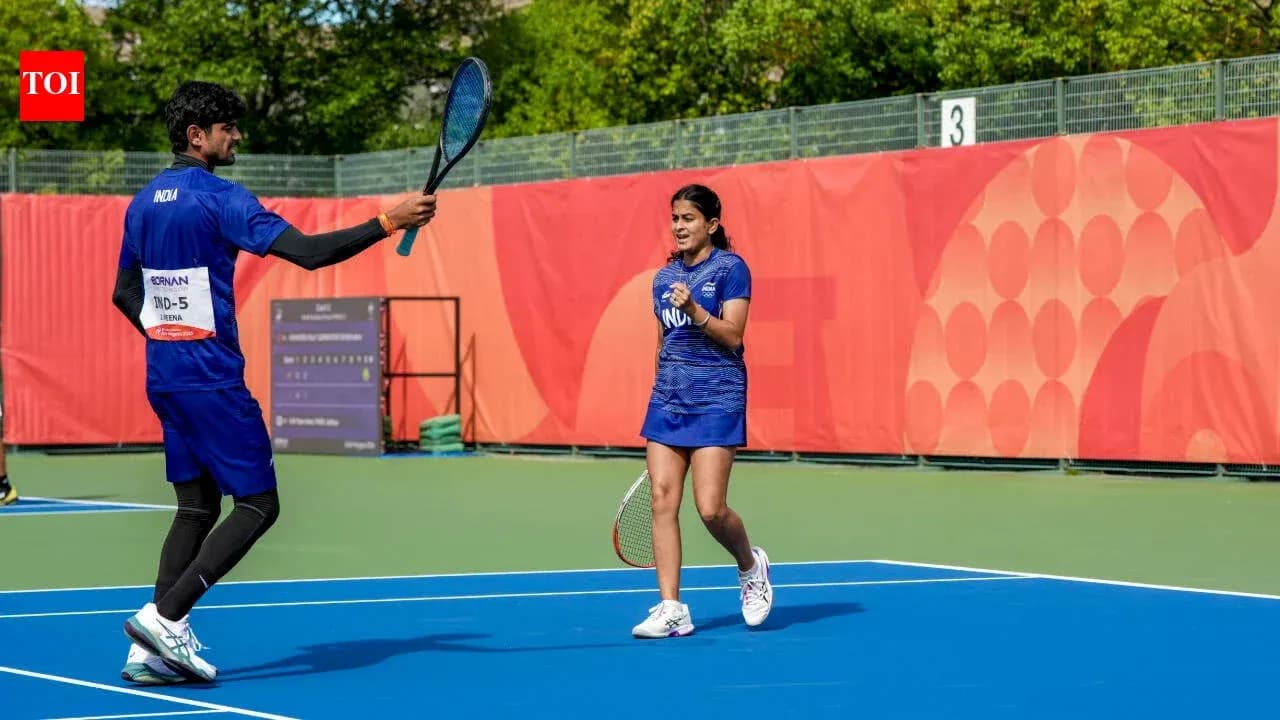
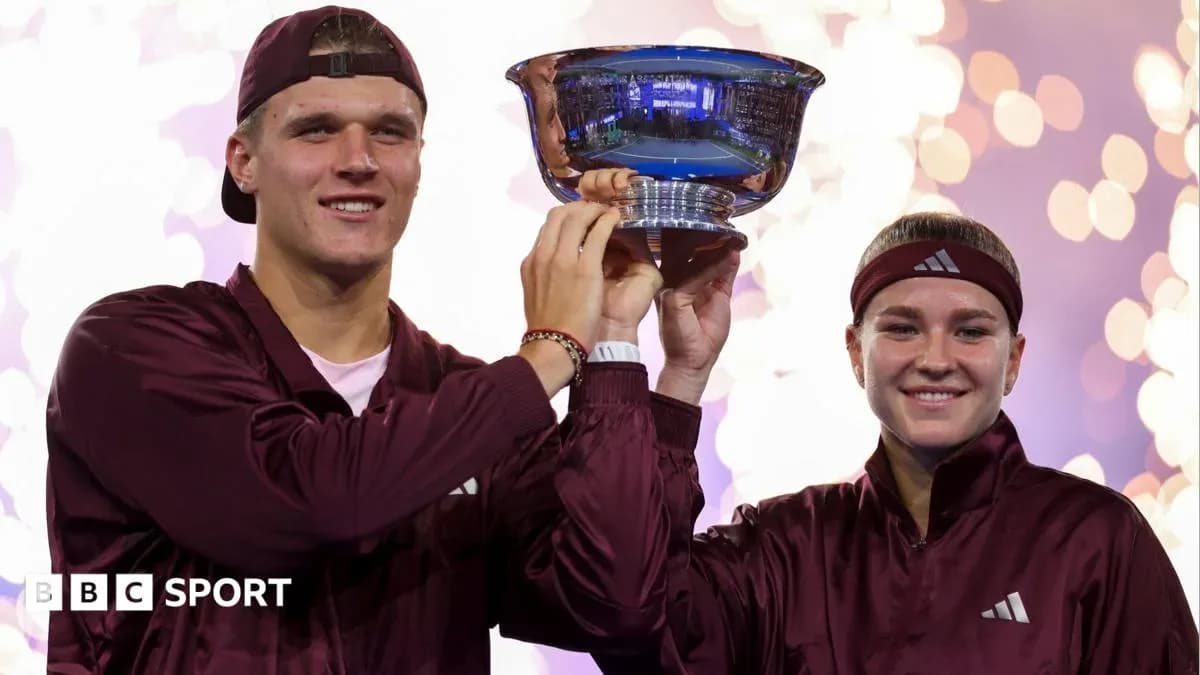
Muchova and Jakub Mensik claimed the US Open mixed doubles crown with a 6-3 1-6 10-6 win over Belinda Bencic and Flavio Cobolli, a final that swung wildly before the Czech teenager slammed the door shut.
On their third championship point, Mensik stepped up and uncorked that 131mph serve out wide. No rally. No nerves. Just a statement. The kind of finish that belongs on a singles show court, not buried on an outer court in front of a half-empty crowd. That, in many ways, is the point of this new-look mixed doubles.
The title is the first Grand Slam trophy for both Muchova, 30, and Mensik, a French Open semi-finalist this year. For Muchova, it comes a little over six weeks after losing the Wimbledon final to compatriot Linda Noskova and then disappearing from competition for minor surgery. For Mensik, it comes in his very first mixed doubles event.
He did not look like a novice. His serve, especially in the tightest moments, covered for any lack of experience in the format.
Surviving Match Points, Twice
The final itself was only half the story. Their path to the trophy ran right along the edge.
In the semi-finals, Muchova and Mensik stared down match points against French Open champion Mirra Andreeva and Andrey Rublev. They escaped, 5-4 (8-6) 3-5 11-9, in a contest that felt more like a shootout than a traditional doubles match, the 10-point match tie-break compressing all the tension into a handful of points.
The pressure had already been ratcheted up by the first semi-final. Bencic and Cobolli had come through theirs 5-4 3-5 10-5 against Elina Svitolina and Gael Monfils, ending the dream of a little piece of history. Svitolina and Monfils were chasing the chance to become the first married couple to win a Grand Slam mixed doubles title since 1939. That chance has gone for good: Monfils will retire at the end of the season.
All eight semi-finalists will now pivot straight into the US Open singles main draw, which begins on Sunday. For them, mixed doubles has become more than a warm-up hit. It is a high-stakes sprint, with real money and real exposure.
Maroon, Money and Momentum
There was room for lighter touches amid the intensity. Muchova and Mensik agreed to wear matching maroon outfits, once the older Czech had actually explained to her young partner what “maroon” was. The coordination was cosmetic; the chemistry was not.
Mensik spoke afterwards of what the week had given them on court: not just the title, but the chance to try things, to experiment, to build confidence. The results underline his point. They saved match points in the semi-final, handled the swings of a choppy final, and walked away with a trophy and a seven-figure cheque.
The new mixed doubles format, played over a compressed window and decided by match tie-breaks, will never convince traditionalists who believe a Grand Slam title should not be wrapped up inside 48 hours. The purists can argue. The numbers tell their own story.
Mixed Doubles Under the Lights
Once a niche event that lived in the shadows of the singles draws, mixed doubles has been dragged into prime time. The semi-finals and final were staged under the lights, in the night session, in front of a far bigger television audience than the discipline has ever enjoyed in New York.
That visibility has been backed up by money. Even with the addition of qualifying this year, opportunities remain limited for doubles specialists in an event now built around singles stars, but those who do reach the main draw are playing for a prize pool five times larger than under the old system. The men’s and women’s doubles pots have also jumped, brought into line with what is on offer in mixed.
Singles players like the format. It gives them an early hit on the big courts, a chance to feel the speed of the stadiums and the noise of the New York crowd without the suffocating pressure of a singles first round. But it will never sit at the top of their priority list.
Iga Swiatek and Frances Tiafoe withdrew shortly before the event, choosing rest after heavy schedules. Daniil Medvedev also pulled out, deciding he needed more singles matches instead. Those absences underline the balance the United States Tennis Association is trying to strike.
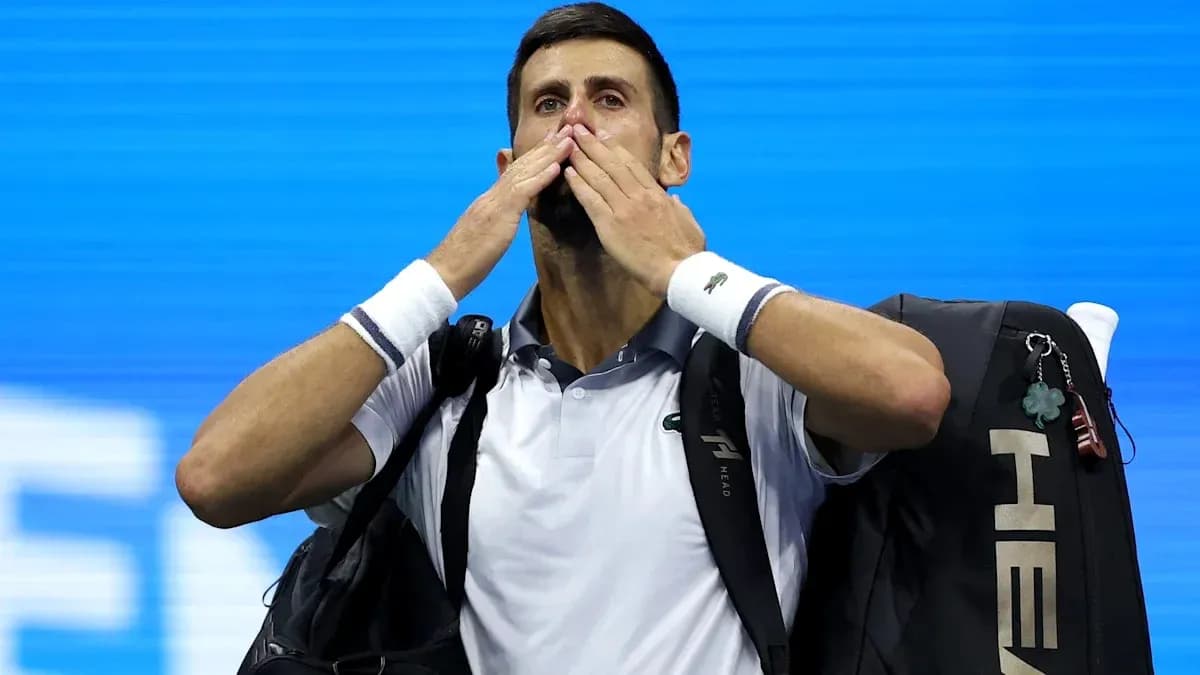
If they can consistently attract superstar pairings – the likes of Serena Williams and Carlos Alcaraz, or Aryna Sabalenka and Novak Djokovic – they will consider the gamble justified. The spectacle would sell itself.
Fan Week Becomes a Festival
Mixed doubles is now only one piece of an increasingly crowded “Fan Week” at the US Open. The tournament has turned the days before the main draw into a festival.
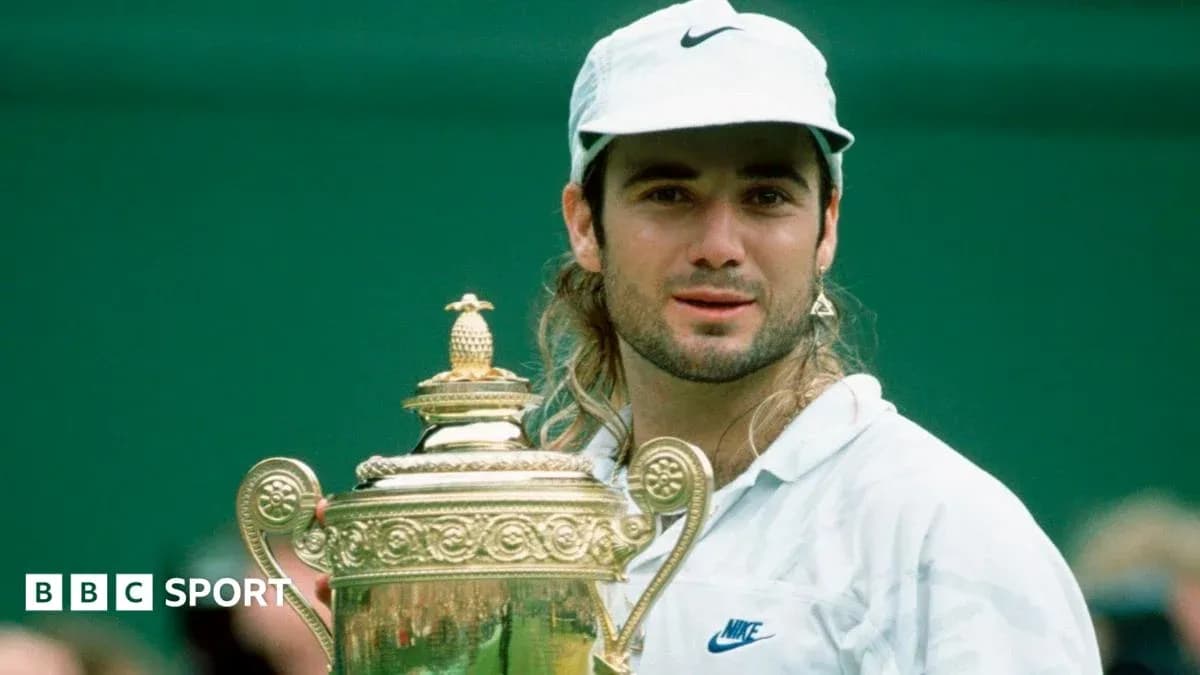
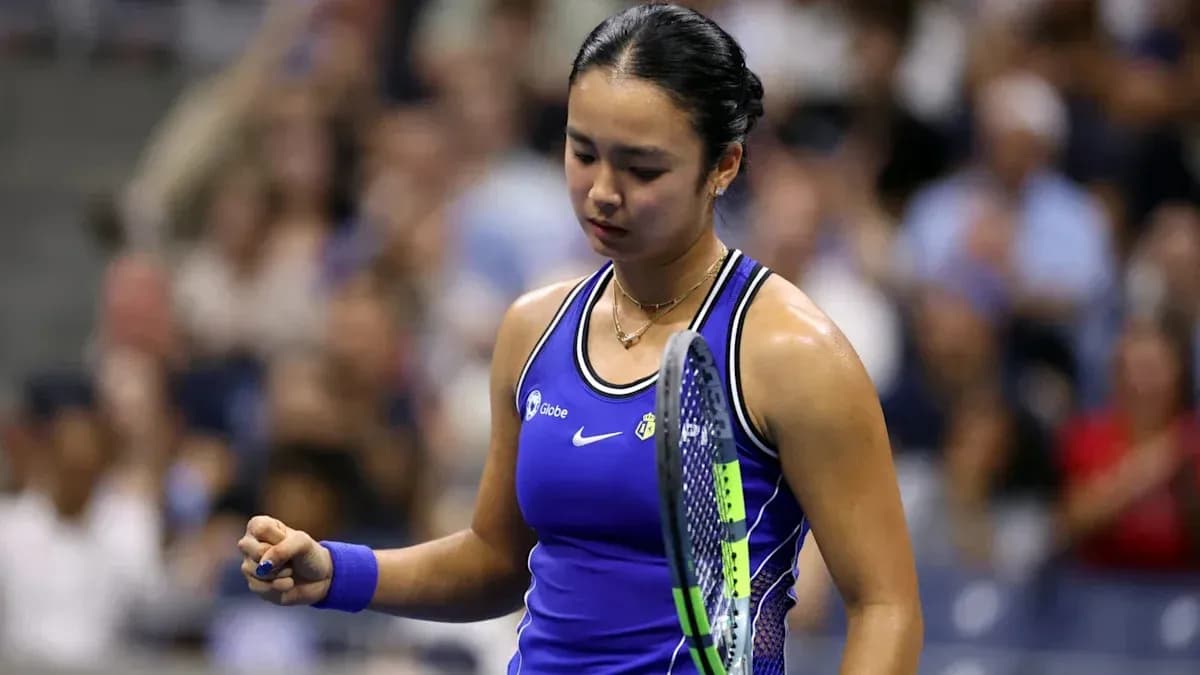
Roger Federer appeared in an exhibition alongside Andre Agassi, John McEnroe and Andy Roddick on Tuesday, a line-up built more like a Hall of Fame induction than a hit-and-giggle. On Thursday night, Amanda Anisimova and Alexandra Eala headlined the “Stars of the Open” event.
The whole show had already been set in motion the previous Friday, when The Lumineers played a gig inside Louis Armstrong Stadium. That was nine days before a single ball was struck in the main draw.
In the middle of that swirl of music, legends and marketing, a first-time mixed doubles team in matching maroon walked away with a Grand Slam title and a million dollars, sealed by a 131mph ace. If this is what mixed doubles looks like now, who exactly is going to complain?