Juventus Ends AZ Alkmaar's Unbeaten Streak: Spalletti's Message
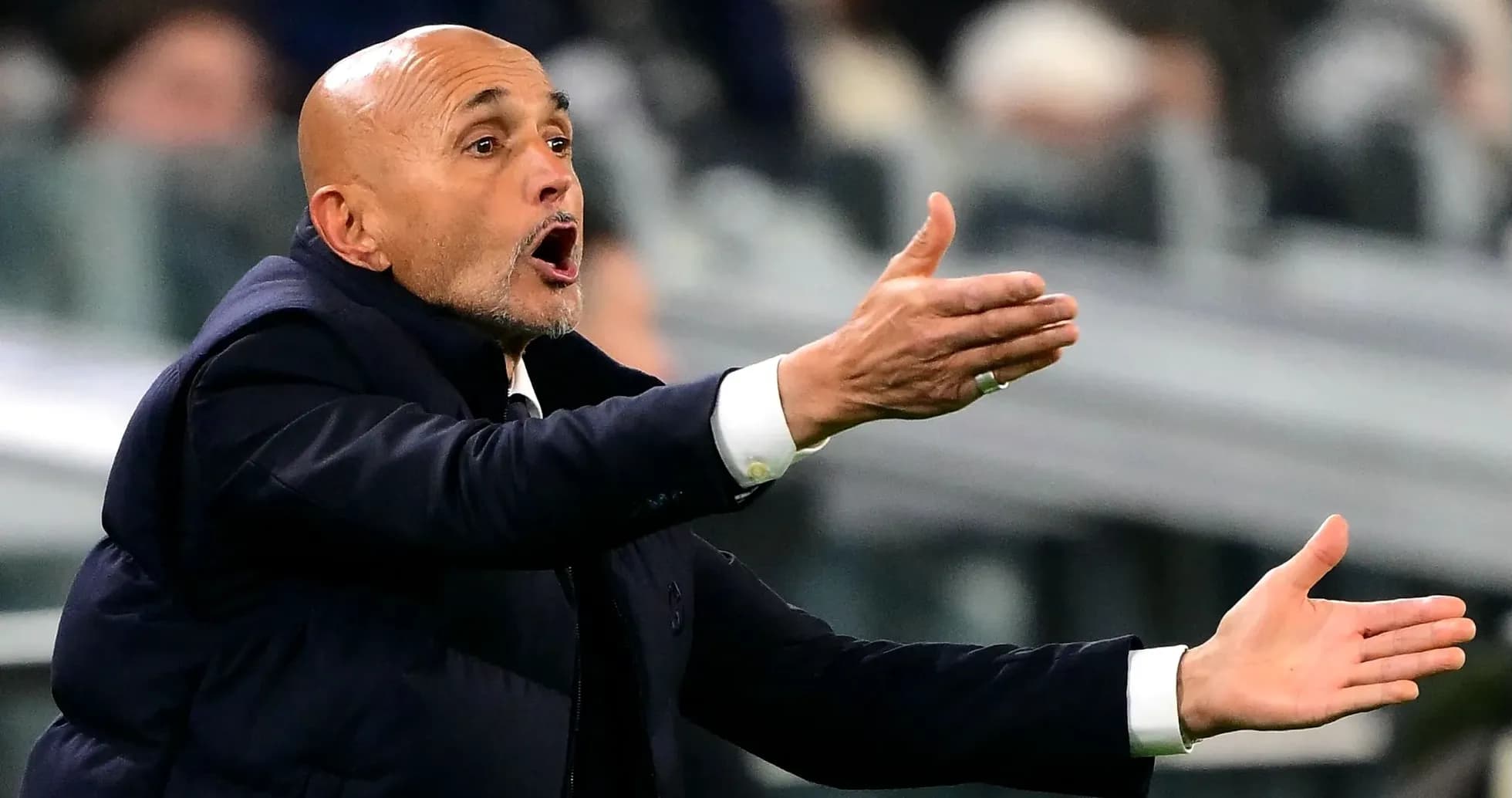
Luciano Spalletti walked off the pitch in Alkmaar with three points, a broken record behind him and a message loaded for his critics.
Juventus had just ended AZ Alkmaar’s 17-game unbeaten home run in European competition with a gritty 2-1 win in the Europa League. It should have been a night of unqualified praise. Spalletti made sure it was also a night of reckoning.
Spalletti bites back
Injury problems had stripped Juventus of key pieces. Weston McKennie was out, Kenan Yildiz missing, the squad stretched. The performance, though, was anything but makeshift.
Spalletti saw his side go into one of Europe’s most hostile, well-drilled environments and control long stretches of the match. What he heard instead, he suggested, was the familiar soundtrack: if Juventus win, the opponent must be weak.
He was in no mood to let that narrative slide.
"I am very satisfied, because we played well against a very strong team," he told Sky Sport Italia, before turning the spotlight on what he sees as a wider lack of respect. He referenced NEC, a side with seven points that had been casually dismissed as poor, as an example of how quickly opponents are written off when Juventus come out on top.
"When you win, it's because the others are weak," he said, pushing back hard, "and instead tonight we won a great match and played great football."
This was not just a coach protecting his players. It was a manager demanding that the level of competition and his team’s tactical work be acknowledged, not brushed aside.
Control, courage… and a nervy finish
On the pitch, Juventus mixed authority with anxiety. For long periods they imposed themselves, pressing high, taking risks, stepping into AZ’s half man-to-man as Spalletti wanted.
The pressure finally told on the scoreboard, and Juventus looked in command. Then they retreated.
Spalletti did not sugarcoat those final minutes. "We sat there, we weren't getting out and then we conceded; if it lasted another five minutes we wouldn't have brought it home," he admitted. The third goal, in his view, should have killed the contest long before AZ’s late strike turned the closing stages into a scramble.
He praised the way his side came to the Netherlands "with authority, strength, quality and also courage," and stressed that there was no single mastermind behind the result. But he also underlined the details that still bother him: the wasted spaces, the counters that never fully developed.
Kolo Muani, he pointed out, had room to do more damage if he had found “a few more outlets.” Off the bench, Jeremie Boga and Jeff Ekhator had the tools to stretch AZ and relieve the pressure, yet Juventus drifted too deep, “stayed a bit halfway,” and allowed the Dutch side to pour forward.
The win stood. The warning was clear.
Collective steel, not just Koopmeiners
Teun Koopmeiners, facing his former club, inevitably drew much of the attention. His presence and performance gave the night an easy headline.
Spalletti refused to let the story narrow to one man.
"I don't want to make distinctions because there are also those who did the dirty work and did it well like Lucumi or Kalulu," he said, making sure Jhon Lucumi and Pierre Kalulu were dragged into the spotlight with him. For Spalletti, the most important marker was not an individual display but the courage of the collective shape: Juventus stepping into AZ’s half, defending man-to-man, accepting the risks that come with it.
He also circled back to a theme that has become central to modern football: the goalkeeper as an extra outfield player in build-up.
"How many times have we said that the goalkeeper only has to save? Instead, he must know how to play with his feet because it cancels out all the pressure you face." It was a window into his tactical demands. In a match where AZ pressed fiercely late on, that ability to play through pressure was not a luxury; it was a necessity.
The edge of mentality
Strip away the tactics and Spalletti kept returning to one word: attitude.
"This is the victory, having been in their half; there was a great attitude and great mentality," he said. For him, Juventus convince when they step forward, when they impose themselves, when they refuse to drift into passive, reactive football.
His biggest irritation came from the way AZ’s goal arrived. Not from the system, but from a lack of conviction in the moment. "We didn't make a decision and a decision not made is worse than a wrong decision," he argued. Hesitation, in his eyes, is more damaging than a bold mistake, because it gives the opponent time to organize and seize the initiative.
By the end, Juventus were hanging on, needing forwards to hold the ball up as AZ counter-pressed aggressively. They survived, but Spalletti’s post-match tone made it clear he expects more ruthlessness in closing out games.
Still, he left Alkmaar content with his group. "Tonight we played a very beautiful game and I am happy with every one of my players, even those who stayed on the bench," he concluded.
A record run snapped, a statement win banked, a manager demanding respect for his team and their opponents alike. If Juventus keep pairing this edge of mentality with the courage Spalletti insists on, nights like Alkmaar may become less about defending their reputation—and more about defining this European campaign.