Jessica Pegula Advances to US Open Quarterfinals with Respect for Cirstea
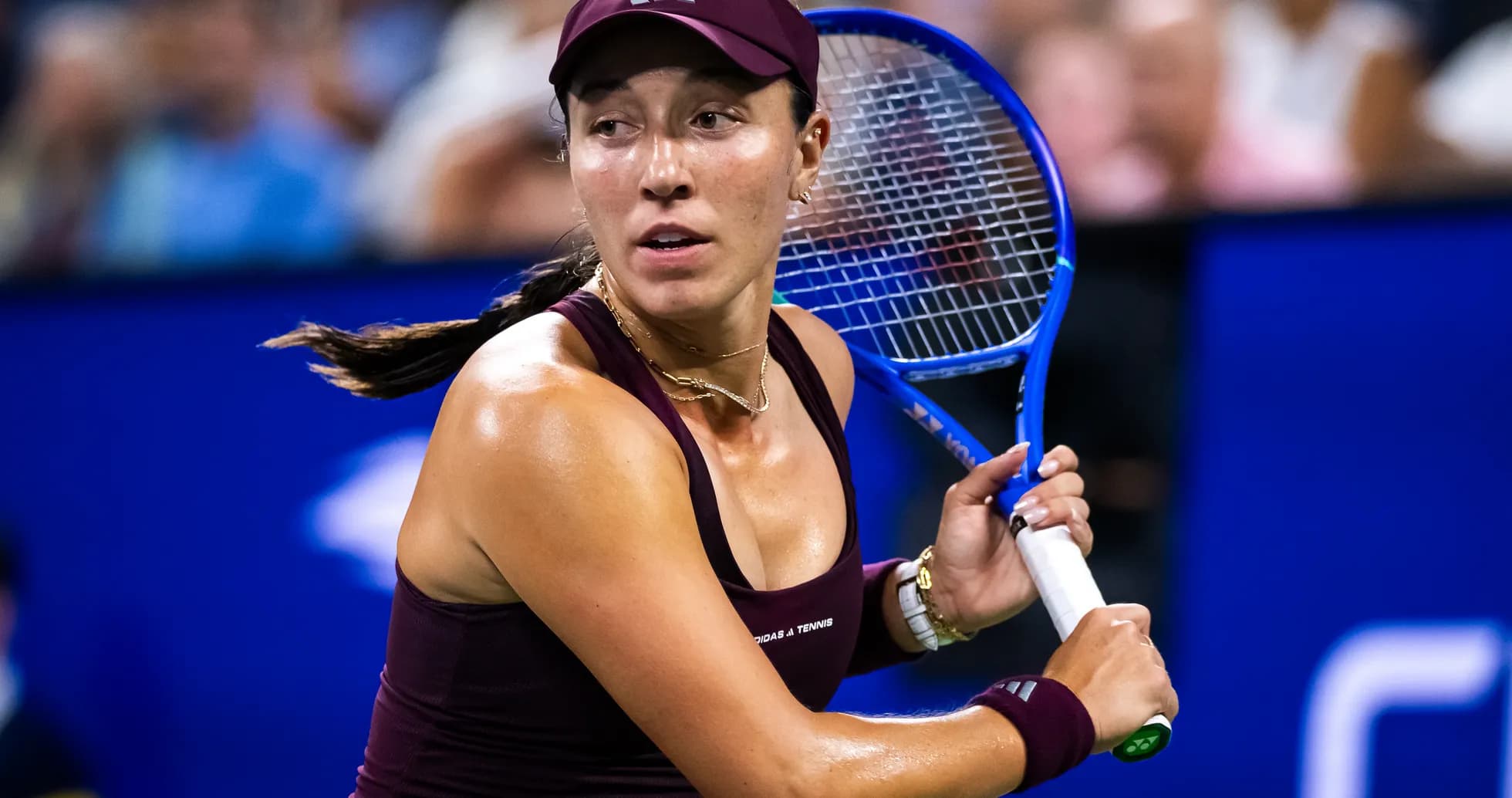
Jessica Pegula walked off Louis Armstrong Stadium with the scoreboard in her favor and one word on her mind.
Respect.
The American moved into her fourth US Open quarterfinal in five years on Sunday, beating Sorana Cirstea 6-3, 6-4 in a match that felt, at times, like a farewell ceremony wrapped inside a dogfight. Cirstea, 36 and set to retire at the end of the season, pushed Pegula into some dark corners despite the straight-sets scoreline.
“I think she's such a great competitor and the utmost professional,” Pegula said afterward. Then she cut through any illusion that this was routine. “I know it seemed somewhat straightforward, but that was a battle. It was definitely really intense.”
It started like anything but.
Pegula came out blazing, winning the first 13 points of the match and racing to a 3-0 lead. Her timing was crisp, her depth suffocating, and Cirstea looked a step late to everything. For a moment, Louis Armstrong felt like it might witness a swift dismantling rather than a contest between a top contender and a seasoned veteran on one of her last big stages.
Cirstea, though, has never been one to fold quietly. The rallies grew longer. The Romanian began to redirect pace, to hang in the trenches, to make Pegula hit one more ball. The clean start evaporated into a scrap.
The sixth game of the first set became a pivot. Serving at 3-2, Pegula fell behind 0-40. The early dominance suddenly looked fragile. She dug in, erased all three break points, and held—a hard, gritty hold that reasserted control and kept her nose in front. Even then, closing the set was anything but simple. Pegula needed five set points before finally sealing it, evidence of Cirstea’s refusal to let go.
Their recent history hovered over the match. Just 18 days earlier in Cincinnati, Pegula had led by a set and a break only to be dragged into a three-set grind, eventually surviving 6-2, 4-6, 7-5. That memory lingered as the second set unfolded and the errors and pressure points stacked up.
Pegula tried to slam the door early in the second, again jumping out quickly and winning four of the first five games. At 4-1, it looked like the kind of scoreline a top seed uses to glide into the last eight. Cirstea had other ideas. She saved four break points in a marathon game to hold for 4-2, a defiant stand that kept the match alive and the tension high.
From there, the contest turned chaotic. The final stretch was decided by four straight breaks of serve, a flurry of nervy games that captured the match’s true nature far better than the clean numbers on the scoreboard. Pegula pressed forward, Cirstea countered, and both women felt the weight of what this match meant—one chasing a home Slam breakthrough, the other trying to stretch out the final chapter of a long career.
Pegula, though, never let the match slip into the kind of spiral that had nearly undone her in Cincinnati. She absorbed the swings, managed the scoreboard, and found just enough first-strike tennis when it mattered to keep Cirstea at arm’s length.
By the end, the handshake at the net carried more than the usual post-match courtesy. Pegula’s words, and her body language, underlined it: this was not just another win over a veteran on her way out. It was a nod to a peer who had spent years fighting on the same stages.
Pegula marches on to yet another US Open quarterfinal, her consistency in New York now impossible to ignore. Cirstea, nearing the end, leaves behind the imprint of a player who never stopped competing. The draw moves forward without her, but the respect she commanded on one of tennis’s biggest courts will linger a little longer.