Jelena Ostapenko Sparks Controversy in US Open Doubles Quarter-Finals
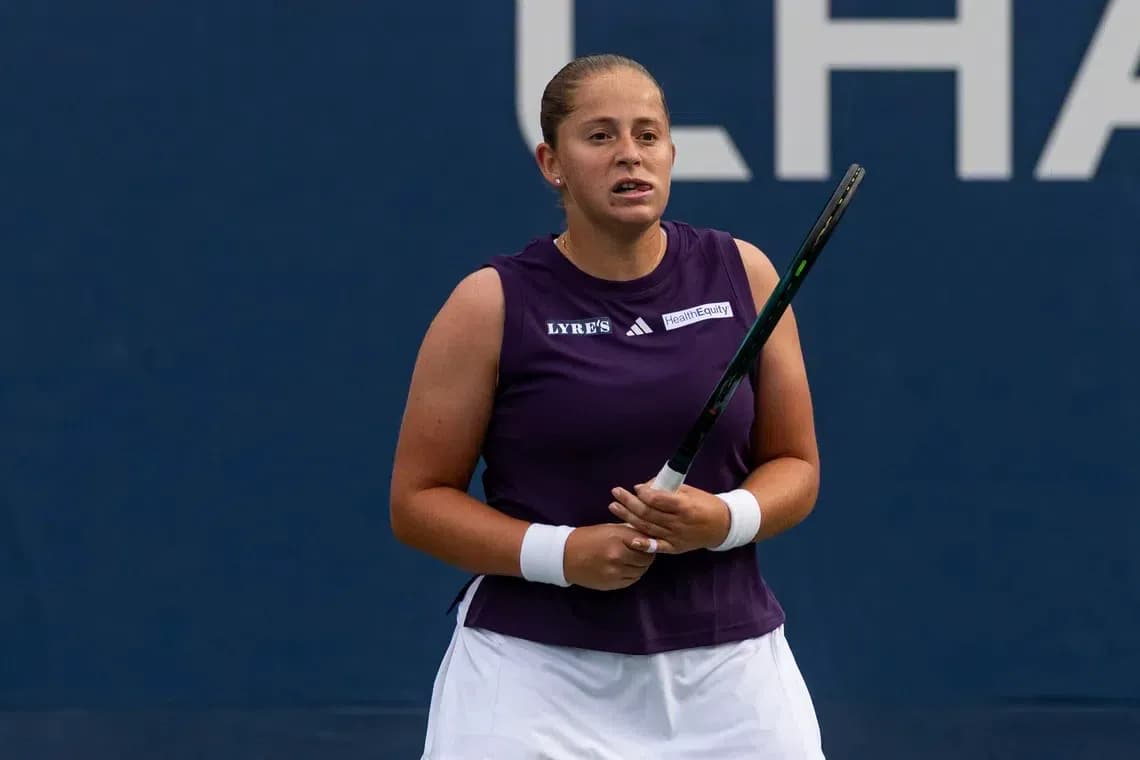
NEW YORK – Jelena Ostapenko has never been one to tiptoe around controversy, and the US Open night air crackled again as she marched into the women’s doubles quarter-finals – and straight into another storm.
Alongside the endlessly inventive Hsieh Su-wei, the fourth seeds handled the tennis with authority, beating Maya Joint and Chan Hao-ching 6-4, 6-4. The real drama unfolded between the points.
Flashpoint on the changeover
Midway through the match, the tension that had been simmering finally boiled over. During a changeover, Hsieh walked to the chair to speak with the umpire. Ostapenko followed, jabbing a finger toward the opposing team’s box, clearly incensed.
The Latvian accused Joint and Chan’s coach of clapping and shouting after their errors and of mocking their shots in Chinese – comments Hsieh translated for her. Ostapenko demanded that the umpire step in, calling the behaviour “very disrespectful” and insisting on the presence of a Chinese translator to clarify what had been said.
“They do this because they know they cannot beat us,” she told the official, her frustration fully on display.
The umpire agreed to address the situation. With that, the argument paused and the match resumed – but the atmosphere had changed.
Turning anger into a weapon
If the intention from the other side was to rattle Ostapenko, it backfired. The fourth seeds came out of the exchange with sharper focus and heavier hitting. Their returns bit deeper, their court coverage tightened, and the scoreboard moved decisively in their favour.
They closed out the straight-sets win, and Ostapenko’s release was immediate and unmistakable. She turned toward the opposing box and let out a roar, a visceral celebration aimed squarely in that direction rather than the neutral confines of the court.
The handshake line told its own story. Hsieh and Chan did not shake hands at the end of what had become a fiery encounter, underlining just how personal the evening had become.
A familiar edge
For Ostapenko, this was not new territory. The 2017 French Open singles champion has built a reputation as one of the sport’s most combustible competitors, her shot-making brilliance often accompanied by a sharp tongue and a short fuse.
At the 2025 US Open, she clashed with American Taylor Townsend, accusing her of having “no class” and “no education” during a heated on-court confrontation. Ostapenko later apologised, saying her words had been misunderstood because English is not her first language, but the episode reinforced the sense that wherever she goes, the line between competitive fire and controversy is always thin.
Here in New York, that edge surfaced again. The stakes rise, the lights get brighter, and Ostapenko’s emotions tend to follow. For some, it’s too much. For her, it seems to be part of the fuel.
The victory with Hsieh keeps their title push alive. The question now is whether their tennis, not the tempers, will define the rest of their US Open run.