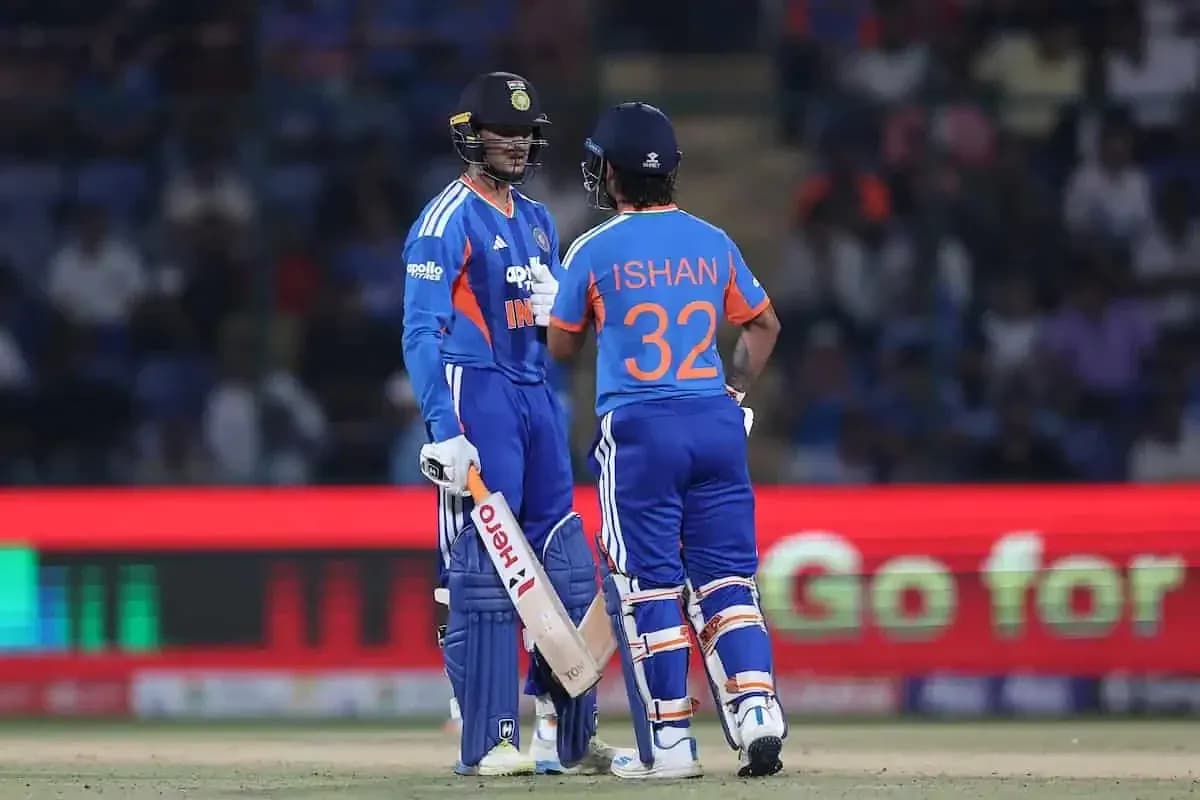
India's Quiet Win Over Afghanistan: A Shift in Cricket Culture
There was a time when an India match meant empty streets, packed living rooms, and a country moving to the rhythm of bat and ball. Today, India hosted Afghanistan in the first T20 of the series, won it comfortably by seven wickets with almost seven overs to spare — and large parts of the cricket-following public barely noticed.
The game came and went with barely a ripple. No real noise on social media. No heated debates. No sense that an India international was unfolding, even for many who consider themselves regular followers of the sport.
India’s dominance on the night should have been the story. A seven-wicket win in T20, with that much time left, is a thrashing by any standard. Yet the margin almost feels irrelevant when the audience is missing. A clinical performance in front of an indifferent crowd, at least in the virtual sense.
The reasons run deeper than just the opposition or the format.
The absence of giants like Virat Kohli and Rohit Sharma looms large. With both having stepped away from T20 and Test cricket, India’s newer line-ups lack the aura that once turned every fixture into an event. For a generation of fans, these were not just players; they were the hook, the emotional anchor. Take them out of the equation, and the stakes feel lower, even when the jersey is the same.
Then there is the sheer volume of cricket. Series after series, format after format, tours overlapping with tournaments, calendars crammed to the point of fatigue. What used to feel rare and precious has become routine. When every week brings another international, another bilateral contest, the sense of occasion inevitably thins out.
That erosion is now visible. The usual anticipation around an India series — even against so-called smaller teams — has faded. The build-up is muted, the discourse subdued. Matches like this opener against Afghanistan are starting to feel less like marquee events and more like background programming.
For Indian cricket, that is the real concern. Not the result, not the margin of victory, but the growing disconnect between team and fanbase. If this trajectory holds, future series against lower-profile opponents may not just struggle for attention — they might struggle for relevance.