Indian Cricket's Power Summit in Mumbai: Key Discussions and Future Plans
The most influential voices in Indian cricket will close the doors behind them in Mumbai on Thursday. No formal agenda has been circulated, no public posturing laid out, but everyone walking into that room knows what is on the table: a champion side that has suddenly started to look ordinary in white-ball cricket.
This is not a routine check-in. It is a hard look in the mirror.
Big names, bigger questions
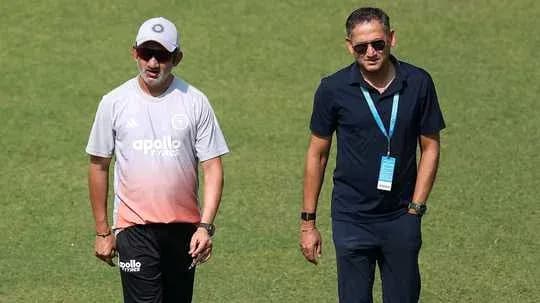
Head coach Gautam Gambhir, chief selector Ajit Agarkar and Centre of Excellence head VVS Laxman will sit alongside BCCI secretary Devajit Saikia, who will convene and chair the meeting. All are expected to be there in person, a detail that underlines the seriousness of the exercise.
Late on Tuesday, another name was added to that list – and it changes the dynamic. Shubman Gill, India’s Test and ODI captain, has been invited and will attend in person. Those close to the process understand that Gill wants a front-row seat in shaping the team’s next phase: reviewing what went wrong in recent series and plotting what comes next.
Shreyas Iyer, the T20I captain, will also be involved. It is not yet clear if he will walk into the room or join via a screen, but his presence in the discussions has been confirmed.
Two captains. One coach. The chief selector. The CoE head. The board secretary. When that many decision-makers gather, careers and cycles tend to turn.
A world champion side under scrutiny
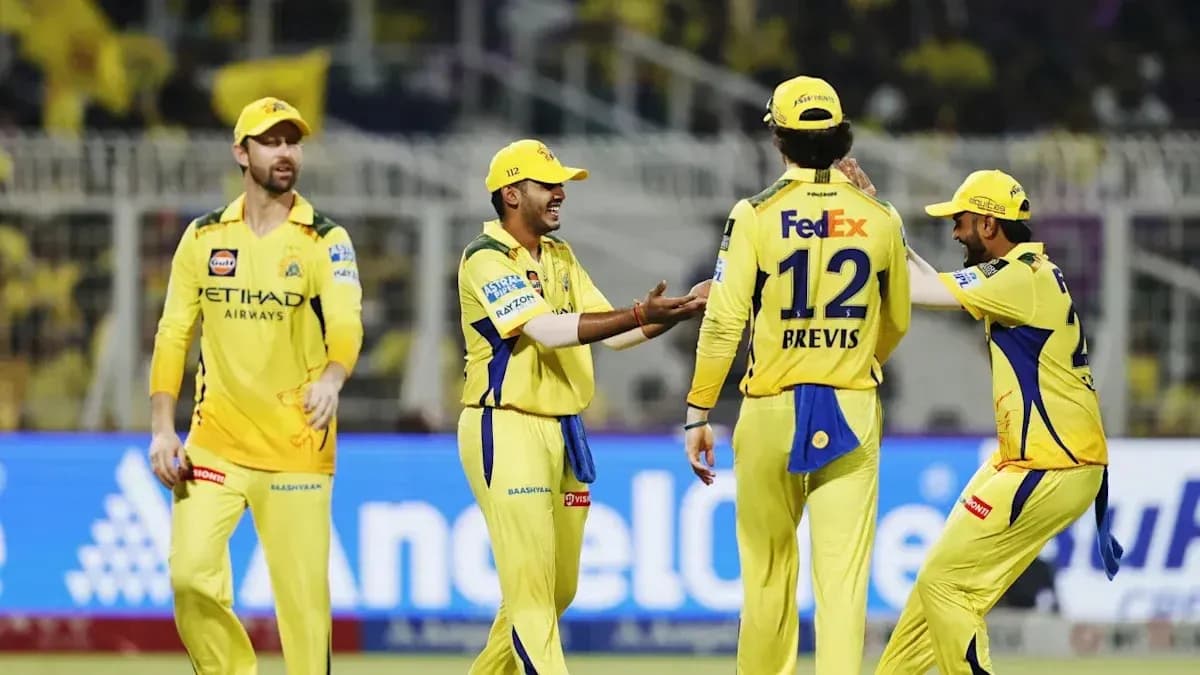
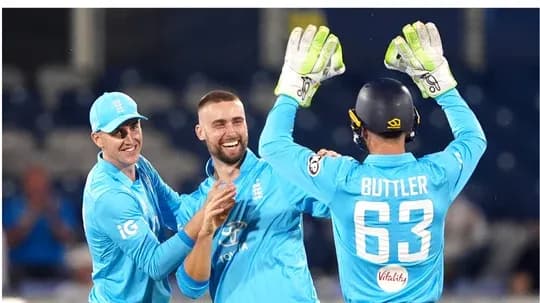
At the heart of the review lies a stark reality. India, the reigning T20 World Cup champions, have just endured a bruising white-ball stretch in Ireland and England. The visitors failed to win any of the six completed T20Is on the tour, suffering heavy defeats to hosts who seized the initiative and never let it go.
The BCCI had already promised a review while the England series was unfolding. Saikia, speaking in July as the white-ball games were still in progress, tried to frame the slump as a phase rather than a crisis.
“The BCCI is currently observing the performance of the Indian T20 team which has not been up to the mark in the ongoing series against England. However this is not something abnormal and can happen in international cricket. We consider it as a purely bad phase,” he said then.
That “bad phase” will now be dissected in detail. Selection calls, role clarity, workload management, tactical choices, and how quickly India adapted to conditions in Ireland and England – nothing is likely to be off-limits.
The Rohit Sharma fault line
Hovering over all of this is one name that will not be in the room but will dominate the conversation: Rohit Sharma.
Recent weeks have exposed a visible disconnect between the BCCI and the selection committee over his future. Reports suggested that the selectors did not see Rohit as part of the plans for the 2027 ODI World Cup and that the Lord’s ODI would be his final appearance in the format. The board responded swiftly, issuing a denial and trying to slam the brakes on speculation.
The damage, though, was done. Questions about communication and long-term planning around one of India’s modern greats refuse to go away.
Thursday’s meeting is expected to offer some clarity. Whether it comes in the form of a defined roadmap for Rohit, or a firmer statement on succession, the discussion around his future will be one of the most closely watched outcomes of this gathering.
Planning for New Zealand and beyond
The conversation will not stop at recent failures. It cannot afford to.
India face a demanding away assignment in New Zealand, a full multi-format tour that includes five T20Is, five ODIs and two Tests. Conditions there expose technical flaws and mental lapses quickly. With a long white-ball calendar and the 2027 ODI World Cup already looming on the horizon, this tour will act as both a test and a template.
The group in Mumbai will also examine India’s standing in the current World Test Championship cycle. With margins in the WTC tightening every year, administrative and structural decisions – from scheduling to player rotation to the use of the Centre of Excellence – will come under the scanner as they search for ways to sharpen the Test side’s edge.
Agarkar, Laxman and the selector’s chair
There is another layer to this meeting, quieter but no less significant.
In recent times, speculation has swirled around the future of Ajit Agarkar and whether VVS Laxman could be handed a more expansive role with the senior team. None of the parties involved – not the BCCI, not Agarkar, not Laxman – has spoken publicly on the matter.
Those whispers will follow them into the room.
Clarity on the selection set-up and Laxman’s responsibilities would send a strong signal about how the board wants to structure its cricketing brain trust over the next four-year cycle. With Gill already captaining in two formats and Iyer leading in T20Is, the alignment between captain, coach and selectors becomes critical.
For now, the doors in Mumbai will close on Thursday and the talking will begin. When they open again, Indian cricket could look very similar – or the first pieces of its next era may already be in motion.