India Women Win Asia Cup Yet Skip Trophy Ceremony
India’s women lifted the Asia Cup again in Dubai — but never touched the trophy.
On a night that should have ended with the familiar image of blue shirts and gold confetti, cricket’s oldest political fault line cut straight through the presentation stage. The scoreboard said champions. The body language said something very different.
Champions in everything but the photo
On the field, there was no contest. India won the toss, batted first and imposed themselves from the opening overs, piling up 5-183 and squeezing the life out of Sri Lanka’s chase. A 72‑run win in a final is a statement; this was their record eighth Asia Cup title, sealed with authority and without late drama.
Sri Lanka never truly escaped India’s grip. Bowled out for 111 in their full 20 overs, they were outplayed in every phase. By the time the last wicket fell, the cricketing part of the night felt done. Routine, almost.
A stage waiting for champions who never came
The presentation ceremony stalled. Ten minutes became twenty. Then half an hour. Close to an hour after the final wicket, the Asia Cup trophy still sat on the dais, under the lights, in the hands of Asian Cricket Council (ACC) chairman Mohsin Naqvi.
Naqvi, who also heads the Pakistan Cricket Board and serves as Pakistan’s interior minister, stood alongside ACC officials ready to crown the champions. The script was familiar: medals, handshakes, trophy lift, team photo.
India never walked out to complete their part.
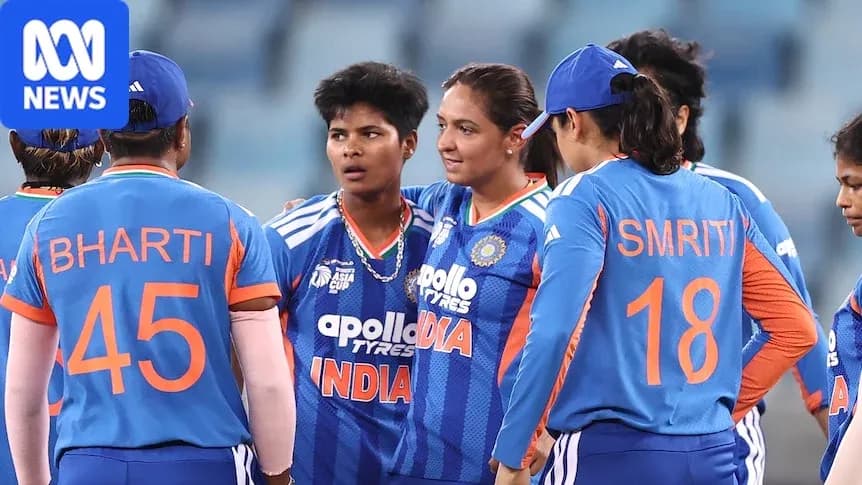
Instead, the players stayed away from the main stage and held their own small ceremony. Board of Control for Cricket in India (BCCI) secretary Devajit Saikia stepped in, presenting the best fielder medal to Nandani Sharma as the squad formed a tight huddle of their own.
While Naqvi and ACC officials waited on the platform, social media footage showed the Indian team leaving the field, bypassing the traditional trophy moment entirely. The official ceremony limped on without them: medals for Sri Lanka, medals for the match officials, and Naqvi handing the runners-up cheque to Sri Lanka captain Chamari Athapaththu. Then it was over. No champions on stage. No trophy lifted.
“Trophy or no trophy doesn’t matter to us”
India coach Amol Muzumdar did not dress it up.
“This is BCCI's stand [to not take trophy from Naqvi]. We can't say anything on this,” he said, making it clear the decision came from the board, not the dressing room.
“India are officially the champions. Trophy or no trophy doesn't matter to us.
“For us, this tournament is over, we are the champions. That's good enough. It was on the big board that India are the champions of Asia Cup 2026.”
The message was blunt: the record books would show the title, the stadium screens had already flashed their status, and the physical trophy — in Naqvi’s hands — was no longer central to the story.
A pattern, not an isolated flashpoint
This was not a one-off act of defiance. It was the latest chapter in a hardening stance that has dragged India–Pakistan politics directly into the rituals of cricket.
Cross-border tensions between the two countries escalated to the brink of war last year. The frost never thawed on the field. Indian players have repeatedly avoided post-match handshakes with Pakistan opponents and declined to accept medals or trophies from Pakistani officials at several events.
The men’s Asia Cup told a similar tale. India beat Pakistan three times in that tournament, including the final, yet Suryakumar Yadav’s side refused to take the trophy from Naqvi and did not shake hands with Pakistan players after any of the three games. The victory laps happened. The usual gestures did not.
The women’s team followed the same line earlier in this Asia Cup, walking past the Pakistan players without handshakes after their group-stage meeting. Muzumdar backed that decision at the time as well: “That stand has been taken by BCCI and we stand by it.”
Cricket’s ceremonies, politics’ battleground
So the Asia Cup ended with a curious split-screen: India, dominant and unchallenged on the field; Naqvi, holding an untouched trophy on an empty stage; Sri Lanka, collecting runners-up medals in a ceremony that felt abruptly cut short.
No one disputed who won. No one pretended this was normal.
In a sport that leans heavily on its traditions — the handshake line, the medal queue, the shared photos under the trophy — India’s women chose to walk away from the script. The scoreboard crowned them champions of Asia. The bigger question is how long cricket’s most charged rivalry can keep sharing tournaments when it can no longer share a simple podium.