India vs Pakistan: Women's Asia Cup 2026 Showdown in Dubai
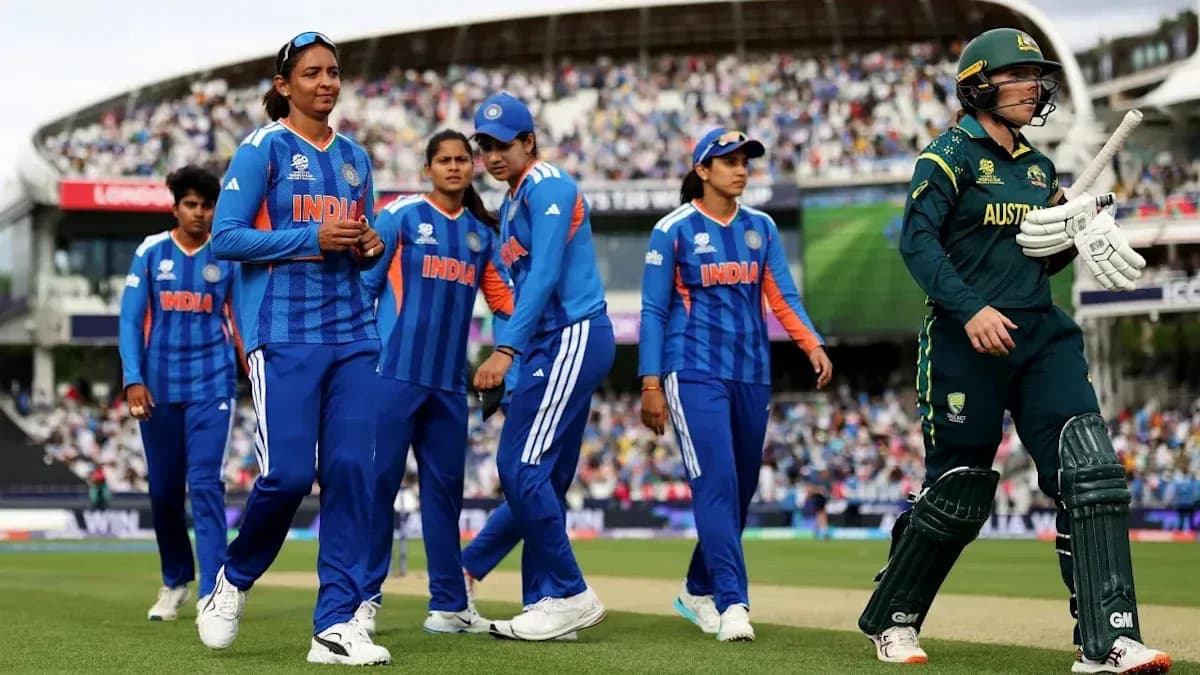
India and Pakistan will walk out under the Dubai lights again on September 5, a familiar stage for a rivalry that rarely needs extra spice. The Women's Asia Cup 2026 throws them together in the group stage at the Dubai International Cricket Stadium, a ground that has already shaped recent history in the women’s game.
Dubai hosted every match of the 2024 Women's T20 World Cup and now carries the full weight of the Asia Cup as well, all 15 fixtures packed into its bowl in Dubai Sports City. By now, the venue feels less like a neutral site and more like a recurring character in the story.
India know it well. So do Pakistan. Their last meeting here, in October 2024 during that T20 World Cup, ended with India cruising home by six wickets. The result underlined a pattern that the numbers keep repeating: this surface, this setting, this stadium have suited India more than their neighbours.
For Pakistan, Dubai also holds an unwanted mark. They own the record for the lowest women's T20I total at the ground. India sit at the other extreme, having piled up the highest score. The contrast is stark, and it mirrors the gap between the sides in these conditions.
A ground that rewards the chase
Since women’s T20Is first arrived here, the Dubai International Cricket Stadium has hosted 19 matches. The bulk came during the 2024 Women's T20 World Cup, backed up by a 2023 bilateral series between Namibia and the UAE.
Chasing teams have won 11 of those 19 games. The explanation is simple and visible to anyone who has watched a night match here: dew. Once the evening sets in, moisture slicks the outfield and the ball. Grip disappears. Variations skid instead of biting. Bowlers fight the conditions as much as the batters.
Captains know it. Win the toss, and the temptation to chase is overwhelming.
The stadium itself holds around 25,000 spectators, a compact cauldron built in 2009 and wrapped into Dubai Sports City. It also sits in the shadow of the International Cricket Council’s headquarters, which it calls home.
A pitch that changes character
The Dubai surface rarely stays the same for long. New-ball bowlers enjoy the first few overs: there is bounce to work with, enough carry to keep the keepers busy, but not much swing. Seamers can hit the deck, but they cannot rely on the ball to move in the air.
Then the pitch begins to dry out.
As the innings wears on, slower bowlers come into their own. The ball grips. It holds in the surface. Spinners have historically thrived here, and the numbers back that up: across all women’s T20Is at the ground, slow bowlers have taken more wickets than pace.
Once the dew arrives, the script flips again. Finger spinners struggle to hang on to the ball, wrist-spinners lose control of their variations, and batters suddenly find life easier in the chase. That swing in conditions explains why those 11 successful pursuits outweigh the eight wins for sides batting first.
West Indies’ chase that set the bar
The highest successful run chase in women’s T20Is at Dubai belongs to West Indies. During the 2024 Women's T20 World Cup, they reeled in England Women’s 141, a target that looked competitive until the top order went to work.
Hailey Matthews led from the front. Qiana Joseph matched her. Both struck half-centuries, and the chase never truly slipped from their grasp. It was the kind of measured pursuit that has since become the template for teams looking at a night-time chase in Dubai: absorb the early movement, then cash in once the ball softens and the bowlers tire.
India’s batting dominance
If there is one team that has bent this ground to its will, it is India Women. They hold the record for the highest team total in women’s T20Is at Dubai: 193 for 5, hammered against Hong Kong in the 2026 Women's Asia Cup group stage.
Smriti Mandhana was the architect. Her 124 off 64 balls was not just a match-winning innings; it reset the record books. That score overtook India’s own previous best at the venue, 172 for 3, set during the 2024 Women's T20 World Cup.
With India occupying the top two team totals at this stadium, any bowling attack facing them here knows what is coming: relentless tempo, deep batting, and the willingness to push for a huge score rather than settle.
Mandhana’s personal stage
Dubai has become Mandhana’s stage as much as India’s. She is the leading run-scorer in women’s T20Is at the stadium, with 212 runs across five matches. The numbers are imposing: one century, one fifty, and an average of 42.40.
Only Laura Wolvaardt comes close. The South Africa opener has 181 runs from five innings at an average of 45.25, her classical strokeplay fitting neatly with the true bounce early on.
Mandhana, though, has another outing already locked in: Pakistan on September 5. With that fixture confirmed, she has a clear chance to stretch her record even further and deepen her grip on this venue.
Her 124 against Hong Kong remains the highest individual score in women’s T20Is at Dubai and the only century recorded in the format at the ground. The next best is Anneke Bosch’s unbeaten 74 for South Africa Women, a distant second that underlines how far ahead Mandhana stands.
Spin, skill and a seven-for
If Mandhana has lit up Dubai with the bat, the bowlers have produced their own headline acts.
South Africa’s Nonkululeko Mlaba leads the wicket charts at the stadium, with 11 strikes across five innings. Her best performance, 4 for 29 against West Indies during the 2024 Women's T20 World Cup, showcased exactly why spinners so often dictate terms here: accuracy, subtle changes of pace, and the courage to toss the ball up even when batters look to attack.
Yet the single greatest spell at this ground belongs to Sri Lanka’s Chamari Athapaththu. Known globally for her batting, she turned destroyer with the ball during the 2026 Women's Asia Cup, ripping through India Women with scarcely believable figures of 7 for 5 on September 2.
Seven wickets. Five runs. On a ground where batters usually dream big, Athapaththu produced a spell that looked like it belonged to another era. That performance not only set the record for the best bowling figures in women’s T20Is at Dubai, it also left her just two wickets short of Mlaba’s overall mark.
All eyes on September 5
So the stage is set again.
A ground that favours the chase. A surface that starts with pace, turns to spin, then slides under dew. India, armed with the highest totals and the most prolific batter at the venue. Pakistan, carrying scars from past collapses here but also the knowledge that rivalry games have a habit of ignoring the formbook.
Dubai has already delivered centuries, seven-fors, and record chases in the women’s game. With India and Pakistan returning to its centre, what else is it ready to add to the story?