India's Cricket Review: A Reckoning for Leadership and Performance
The corridors of the BCCI headquarters in Mumbai will carry an edge on Thursday. This is not a routine debrief. It is a reckoning.
Head coach Gautam Gambhir, chief selector Ajit Agarkar and Centre of Excellence head VVS Laxman have been summoned for a full-scale review of India’s recent performances, with BCCI president Mithun Manhas and secretary Devajit Saikia in attendance. On the table: a bruising run of results, a mounting injury list, and a roadmap that suddenly needs sharper clarity.
There is every chance India’s new leadership group on the field will be in the room as well. T20 captain Shreyas Iyer and ODI and Test captain Shubman Gill are likely to join the discussions, underlining the seriousness of the exercise. This is about the direction of Indian cricket, not just damage control after a bad month.
Champions under scrutiny
India arrive at this review as reigning T20 World Cup champions, but their recent white-ball form overseas has cut through that aura.
In June, they were swept 2-0 in a two-match T20I series in Ireland. What might once have been treated as an aberration turned into a pattern in England, where India collapsed to a 4-0 defeat in the five-match T20I series. The 125-run hammering in Nottingham stood out as the heaviest blow, the kind of loss that forces uncomfortable questions about approach, selection and temperament.
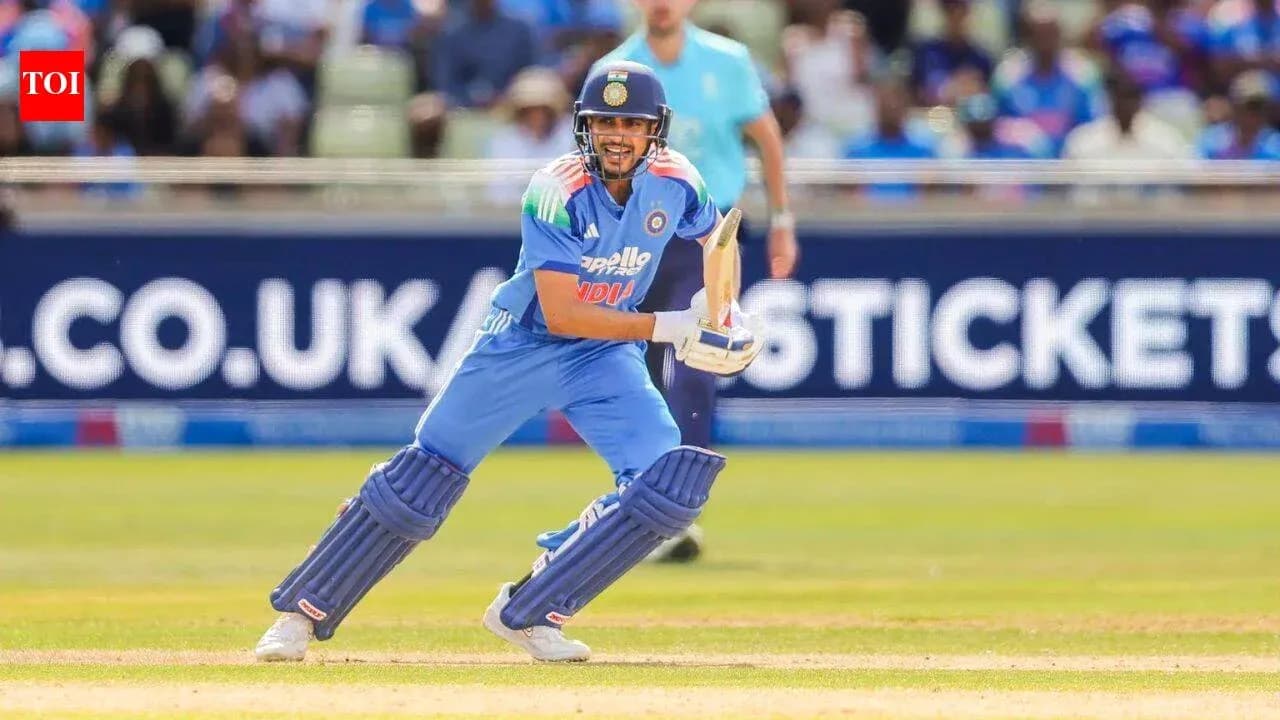
Under Shubman Gill’s captaincy, the ODI leg in England brought only marginal relief. India went down 2-1, the series slipping away despite opportunities to wrest back control. The original plan was to hold this review immediately after the Ireland and England tours, but the two-Test assignment in Sri Lanka pushed it back. The issues, though, have not gone anywhere.
Beyond the UK: a wider audit
This will not be a narrow, UK-only inquest. A source involved in the process made it clear that the net will be cast wider, with the tours of Zimbabwe and Sri Lanka also under the scanner.
That broad scope tells its own story. The BCCI is not treating these setbacks as isolated blips on foreign soil. It is looking at trends: team balance, player workloads, tactical calls, and how effectively India are transitioning into a new leadership era under Gill and Iyer.
The discussions are expected to stretch beyond wins and losses. They will go into selection calls on those tours, roles assigned to players, and how India are managing the churn between formats at a time when expectations remain unforgivingly high.
Injury storm before a big Test season
If results are one pillar of the review, injuries are the other.
India face a two-Test series in New Zealand in November, a challenging assignment in conditions that demand a full-strength attack and robust fitness across the squad. Instead, the BCCI is staring at a growing list of concerns.
After the third ODI against England at Lord’s, Shubman Gill did not hide his frustration. He spoke openly about how frequent injuries have disrupted India’s overseas campaigns, chopping and changing line-ups and unsettling rhythm. His words will echo in the Mumbai meeting.
Jasprit Bumrah’s absence from the Sri Lanka tour after aggravating his left knee injury only sharpened those worries. For a side that leans heavily on his skill and experience, every setback to his fitness feels seismic.
The uncertainty is not limited to him. For the upcoming T20I series against Afghanistan, announced on Tuesday, the availability of four players remains in doubt. Bumrah, Washington Sundar, Nitish Reddy and Harshit Rana are all scheduled for fitness tests at the BCCI’s Centre of Excellence in Bengaluru on September 9. Their status will shape not just that series, but planning for the months ahead.
A meeting that could reshape the roadmap
In essence, Thursday’s gathering is about control—regaining it, redefining it, and ensuring India do not drift into a cycle of excuses and short-term fixes.
Gambhir’s methods, Agarkar’s selections, Laxman’s inputs from the CoE, and the on-field realities described by Gill and Iyer will all collide in one room. Out of that collision must come clarity: on workload management, on how aggressively India rotate players, on what kind of cricket they want to play away from home.
The trophies in the cabinet say India are in a strong era. The recent scorecards say something else. The question now is simple: which story will define the next phase of this team?