Imam-ul-Haq Faces Inquiry Over Injury Controversy at Lord’s
Imam-ul-Haq’s calf strain, picked up on the opening day of the second Test at Lord’s, has spiralled from a routine fitness setback into a full-blown controversy that now demands a formal inquiry from the Pakistan Cricket Board.
What began as a simple injury update has turned into a question of trust.
From scan room to spotlight
Imam hurt his left calf while fielding on 27 August, with the PCB confirming a low-grade strain after scans and placing him under the care of the national side’s medical staff. On paper, it sounded straightforward: a muscle pull, monitored treatment, no batting in either innings.
On the field, it looked very different.
By the fourth day at Lord’s, cameras picked up Imam with heavy strapping on his calf, taking throwdowns. The images cut sharply against the narrative of an opener too injured to walk out to bat in a crisis. Within hours, former Pakistan players were on television and social media accusing him of “faking” the injury.
The noise grew louder than Pakistan’s resistance with the bat.
PCB steps in as questions mount
Pakistan’s back-to-back defeats – an innings and 103 runs in the first Test, followed by a 194-run loss in the second – only sharpened the focus. Imam, who made 42 off 74 balls in the first innings of the opening Test before falling for a five-ball duck in the second, was among seven players sent home after the Lord’s debacle.
Then came the turning point.
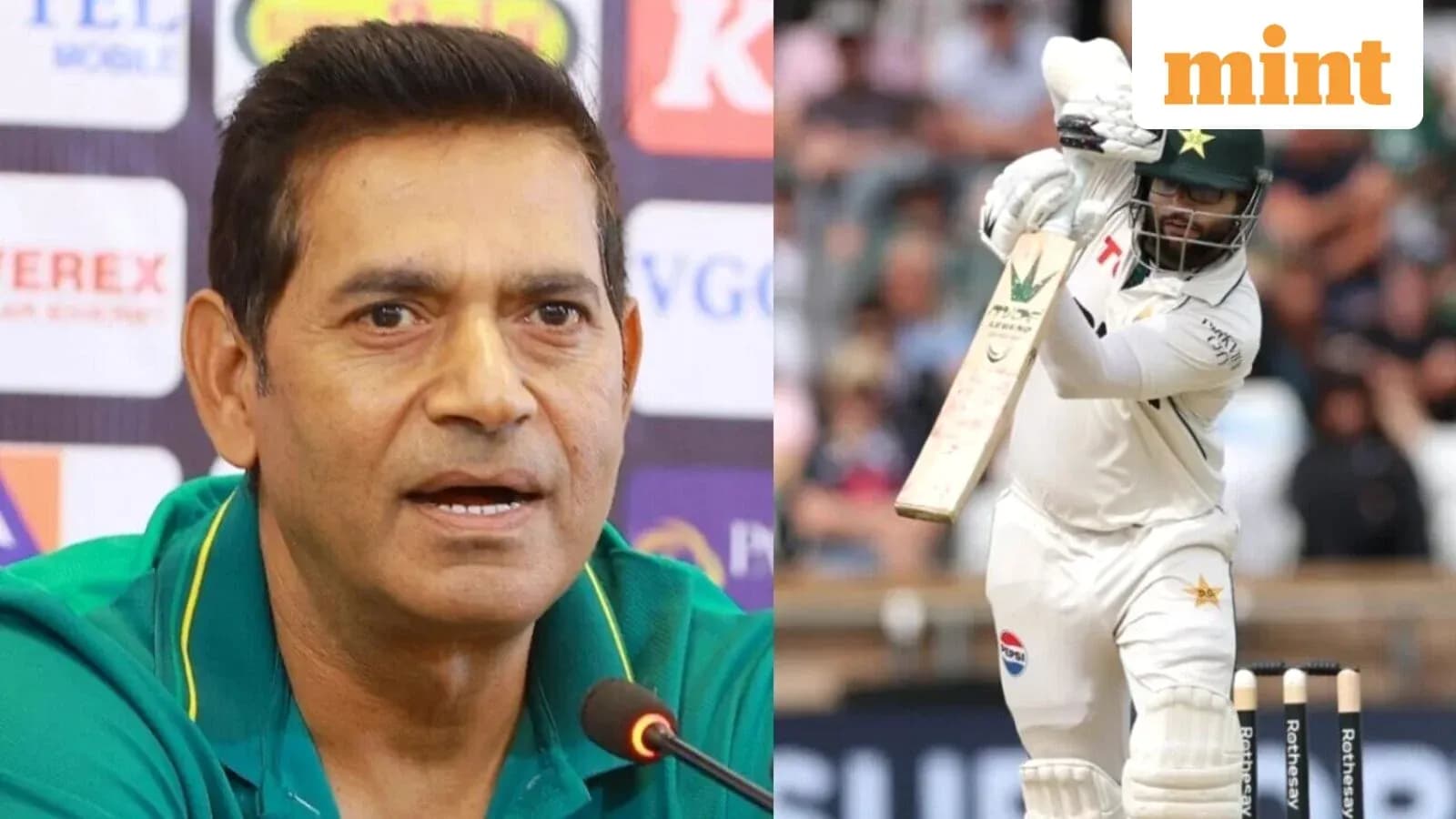
“An inquiry will be conducted into this matter,” Auqib Javed, a member of the PCB selection committee, told Geo News, confirming that the board would not let the issue slide.
His questions were blunt, and they cut to the heart of the storm.
“How is it possible that you failed to come out to bat in both innings after pulling up a muscle?” Javed asked. “Injuries do occur, and we have seen instances in the past where players — even with casts — have gone out and made an effort. This situation is different. It is a matter of great concern, and action will be taken regarding it.”
The message was clear: this was no longer just a medical file. It was a disciplinary and reputational matter.
“Big trouble” and legal lines
Inside the Pakistan camp, the mood around Imam has darkened. A team insider, speaking to PTI, did not sugar-coat the stakes.
“Imam is in big trouble, and he is also likely to seek legal counsel when he has to appear to face an inquiry committee of the Board, which will look into his calf muscle injury,” the insider said.
That one sentence shifted the tone again. From a dressing-room issue to a potential legal battle.
If Imam does lawyer up, the inquiry room could turn into a courtroom in all but name, with medical reports, footage from Lord’s, and testimony from support staff placed under the microscope.
Old doubts resurface
This is not the first time Imam’s fitness has come under scrutiny. His latest injury row has dragged an uncomfortable chapter back into the light.
Former chief selector Mohammad Wasim had previously gone public with concerns raised by then-team physiotherapist Cliffe Deacon during Pakistan’s 2022 Test series against England. Deacon, Wasim said, had flagged what he viewed as suspicious injury patterns involving Imam.
Those comments, once part of a broader debate about player workload and transparency, now read very differently. In the current climate, they feel like an early warning that the PCB cannot ignore.
The pattern – or the perception of one – is now central to how this case will be judged.
A team in crisis, a player under the scanner
All of this unfolds against the backdrop of a Pakistan side badly bruised by England. Outplayed in Rawalpindi-style fashion in the first Test, crushed again in the second, they now head to Birmingham for the third and final match of the series starting 9 September with selection upheaval and an integrity investigation swirling around them.
For the team, the question is simple: who is fit, who is committed, who can be trusted in the middle when the ball starts moving?
For Imam-ul-Haq, the stakes are even higher. An inquiry panel, public suspicion, and the shadow of past medical doubts now hang over his immediate future in Pakistan colours.
The scans say “low-grade strain.” The board wants to know why that strain kept an opener in the dressing room while his teammates folded twice at Lord’s.
The answers he gives in the coming days may define far more than just his place in the next Test.