Great Britain Secures Davis Cup Finals Spot with New Team
The Copper Box Arena came to its feet long before the final ball was struck. Great Britain were already through.
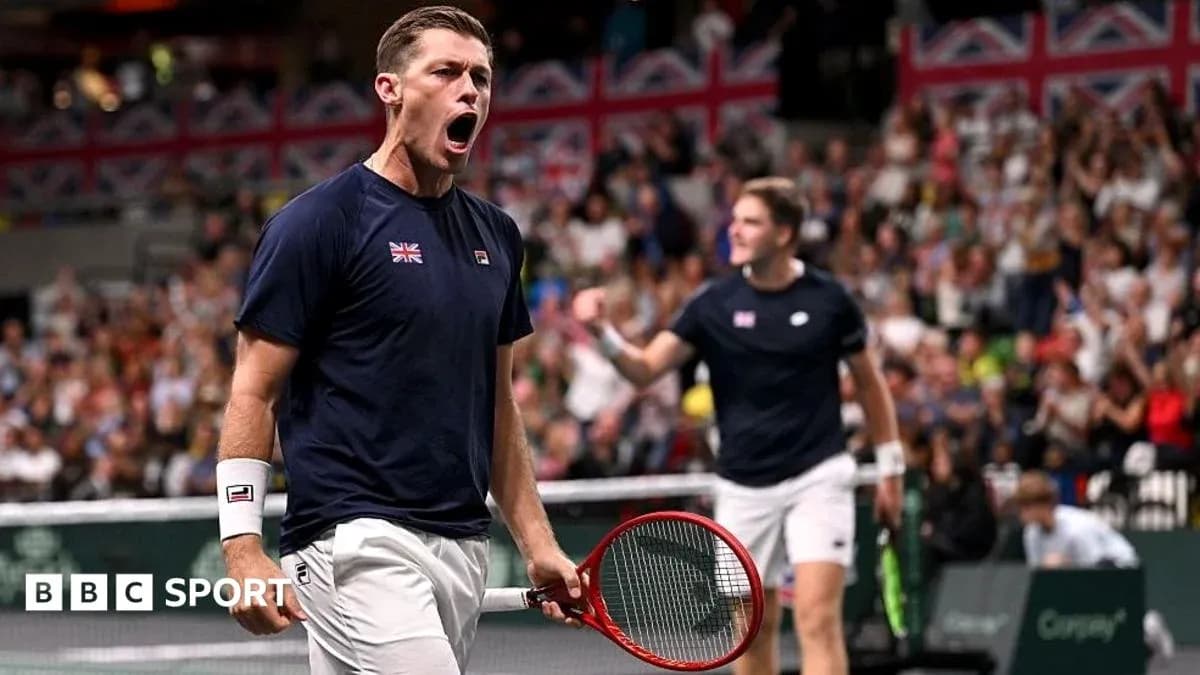
Henry Patten and Neal Skupski, a makeshift pairing on paper but ruthless in reality, sealed Britain’s place in November’s Davis Cup Finals with a clinical 6-3 6-4 win over Ecuador’s Gonzalo Escobar and Diego Hidalgo on Sunday, wrapping up an unassailable 3-0 lead in London.
No nerves. No drama. Just a job done with authority.
Doubts, withdrawals, and a patched‑up squad
This was not supposed to be straightforward. Great Britain had not reached the knockout stage of the Davis Cup since 2023, and this campaign began under a cloud.
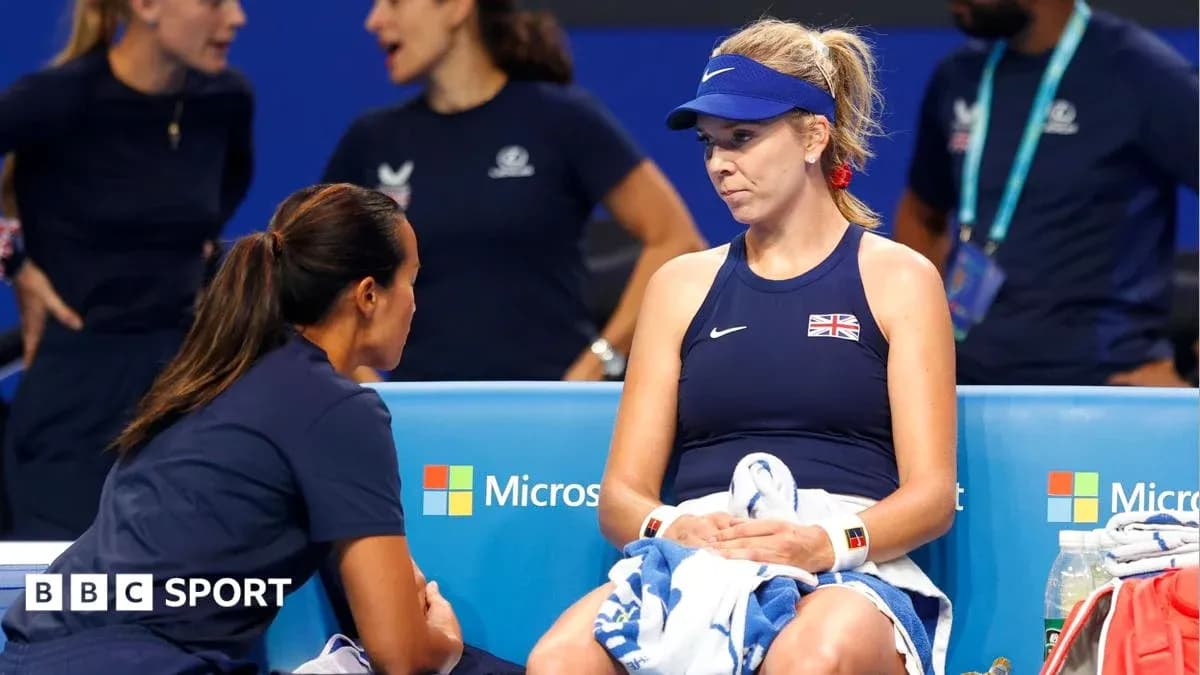
Jack Draper shut down his difficult season early. Jan Choinski and Jacob Fearnley were ruled out through injury. Then, on the eve of the tie, came the gut punch: British number two Cameron Norrie felt pain in his arm during practice on Friday and pulled out.
Captain Leon Smith arrived with an inexperienced team and a thin margin for error. Even against underdogs Ecuador, questions hung over whether this group could carry the weight of expectation in a packed home arena.
They answered them quickly.
Samuel and Fery seize their moment
On Saturday, two relative newcomers walked into the noise and embraced it.
Toby Samuel, riding the wave of a breakthrough year that has catapulted him from outside the world’s top 250 to No. 95, made his Davis Cup debut. Weeks after winning his first Grand Slam match at the US Open, the 24-year-old found himself tight, a set down, and staring at a tricky afternoon against Andres Andrade.
He refused to blink.
Samuel turned the match around with growing authority, hitting through his nerves and through his opponent to claim a 4-6 6-4 6-1 victory. Once he settled, the third set became a statement: this level suits him.
Arthur Fery, playing only his second Davis Cup rubber, walked on as the designated British number one and carried himself like it. Against Alvaro Guillen Meza, he absorbed the early tension, edged a tight opening set, then tore away.
A 7-5 6-0 win, sealed with the calm of a far more seasoned campaigner, pushed Britain to the brink. Two debutants, two points. The tie was tilting heavily in Smith’s favour before the doubles even began.
Patten and Skupski shut the door
Sunday felt like a formality, but Patten and Skupski never treated it that way.
With Patten ranked world number one and Skupski arriving as the new US Open champion, Britain had heavyweight quality in the doubles rubber. Yet the intrigue lay in their partnership: they do not play together on the ATP Tour.
You wouldn’t have known it.
From the opening games, they locked in. Returns were sharp, first serves landed with purpose, and the Ecuadorian pair were kept under constant pressure. Patten and Skupski did not face a single break point, a marker of control as much as talent.
The first set went 6-3, Britain striking at the key moments. The second set followed the same pattern: early squeeze, relentless holds, 6-4, tie over. Ticket booked to Bologna for the ‘Final Eight’ at the earliest possible opportunity.
“We’re feeling great,” Patten said on court, acknowledging how Smith had primed them to be ready for the singles if needed. Instead, they slammed the door at the first time of asking.
Skupski’s return to centre stage
For Skupski, this was more than just another win. At 36, making his 16th Davis Cup appearance, he has seen the full arc of Britain’s modern journey in this competition.
“I made my debut in 2019 with all the other guys like Jamie Murray, Andy Murray, Evo [Dan Evans] and now I guess I am the oldest in the team,” he reflected, savouring his place in a new-look side.
The generational shift was unmistakable. The veteran doubles specialist, flanked by rising singles players like Samuel and Fery, carried the past into a team clearly built for the future.
Back in front of a sold-out home crowd, Skupski relished it. He spoke of the last 18 months as “big” and called it an honour to play for his country, especially in an atmosphere like this. The Copper Box responded in kind.
A new British core, and a familiar ambition
Smith has built Davis Cup campaigns around established names before. This weekend, he had to lean on fresh faces and a reconfigured hierarchy. They responded with a clean sweep and barely a wobble.
Great Britain are back in the Davis Cup knockout phase. The route there was not lined with their usual stars, but with players grabbing opportunity in real time.
Bologna awaits. The question now is not whether this team belongs on that stage, but how far this new core can push once the stakes rise again in November.