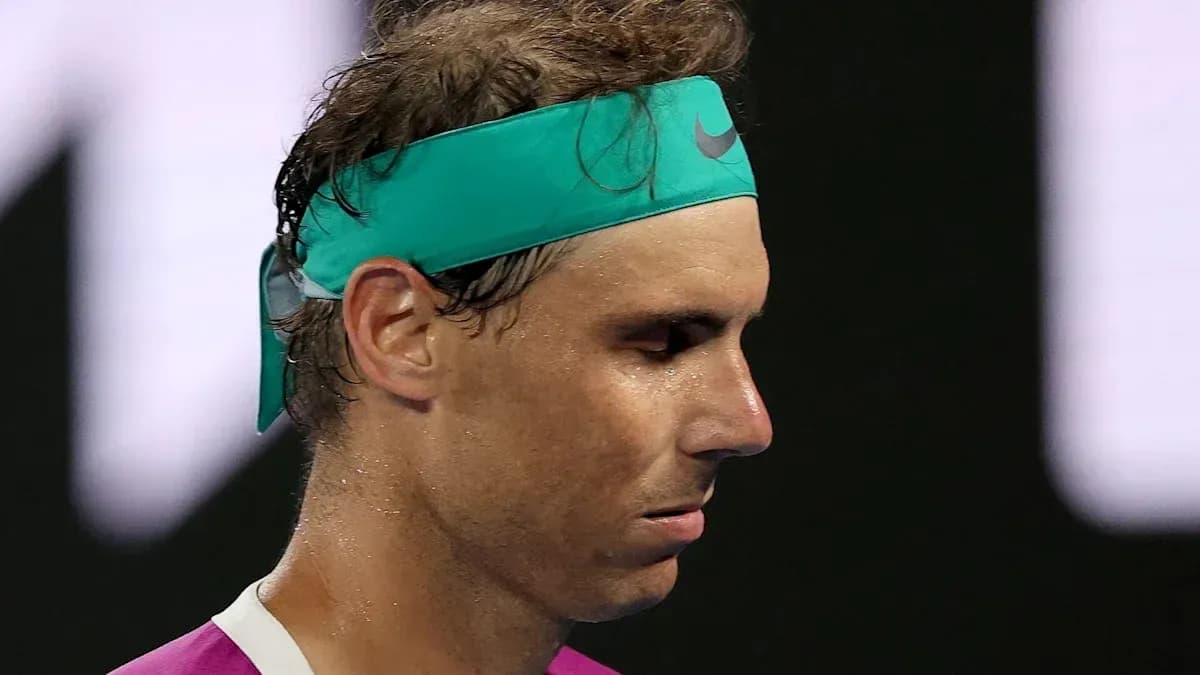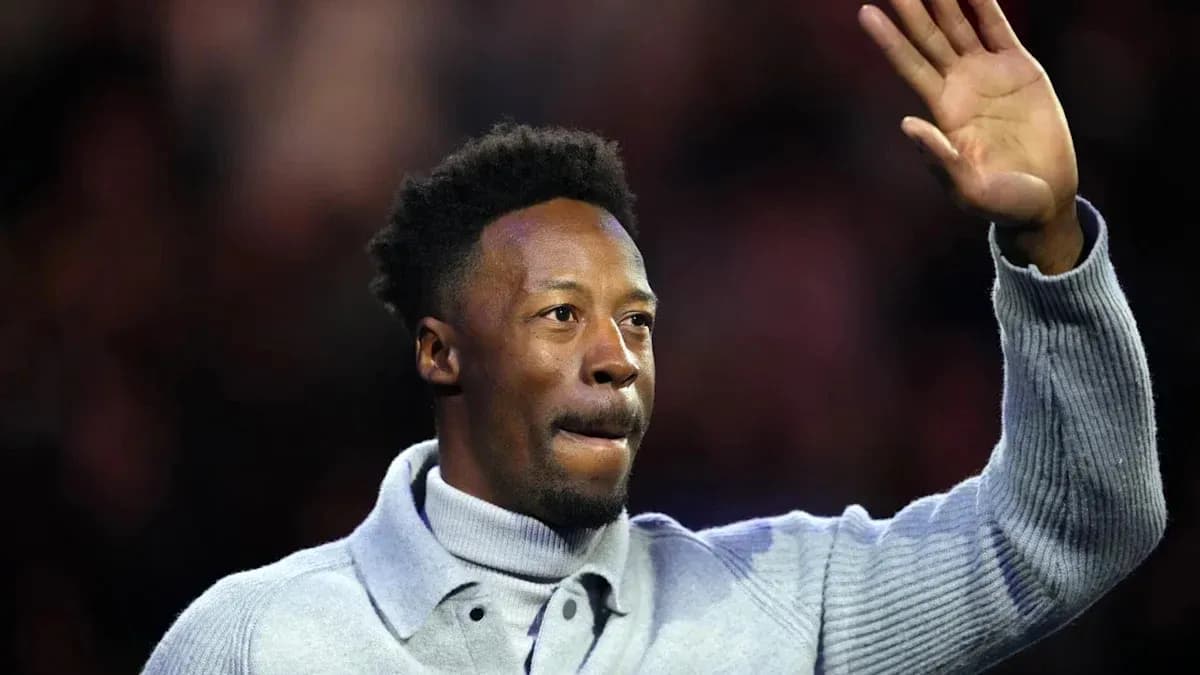
Gaël Monfils Takes Charge as Captain of France's Davis Cup Team
Gaël Monfils has never done quiet. Not on court, not in front of a crowd, not when a point begged for a somersault or a sliding forehand from another postcode.
His retirement, though, slipped in almost unnoticed.
A month after his name appeared, without fanfare or explanation, on the International Tennis Integrity Agency’s inactive list, the 40-year-old has re-emerged in a role that fits both his history and his personality: captain of France’s Davis Cup team.
From farewell in Paris to the French bench
Monfils had originally planned to bow out with one last dance at the Paris Masters, a final performance in the city that has both lifted and burdened generations of French players. That swansong never came. Instead, Paris gave him something different this week — a tribute.
In the French capital, he was honoured in front of fans and friends, flanked by fellow crowd-pleasers Jo-Wilfried Tsonga, Gilles Simon, Richard Gasquet and Benoît Paire. A loose, joyful gathering, more celebration than ceremony, it felt like a closing chapter.
It turned out to be an opening one.
The French Tennis Federation (FFT) has handed Monfils the Davis Cup captaincy, replacing Paul-Henri Mathieu ahead of qualifying in February. The move pulls one of the most charismatic figures of his generation straight from the locker room to the captain’s chair, barely after the ink has dried on his retirement.
“It is a great source of pride to become captain of the French national team,” Monfils said. “This blue jersey represents so much to me. I want to build a real collective project and create the dynamic that will allow us to win titles together.”
A new role for a familiar warrior
Monfils knows the Davis Cup trenches. Across 22 years as a professional, he played eight editions for France, winning 12 of his 15 singles rubbers. His most famous contribution came in 2014, in a final laced with history and pressure.
Up against Roger Federer, Monfils produced one of the finest matches of his career, blasting the Swiss great off the court in straight sets to keep French hopes alive. The tie ultimately slipped away to Switzerland, but that night in Lille remains a reference point: Monfils, the showman, becoming Monfils, the closer.
He was not part of the squad when France finally lifted their 10th Davis Cup in 2017. That absence now sharpens the edge of his new mission. The trophies he could not claim as a player, he will chase as a non-playing captain.
Backed by a golden generation
Monfils will not do it alone. The FFT has already sketched the outlines of a staff built on shared memories and shared scars. Gilles Simon and Richard Gasquet, long-time comrades from France’s golden generation of nearly-men and nearly-titles, will assist him.
“We are very happy to welcome Gaël as head coach of the French team,” said FFT president Gilles Moretton. “We are convinced that his infectious energy and enthusiasm will be valuable assets in advancing the ambitions of French tennis.”
Energy has never been in doubt. What will be fascinating now is how Monfils channels it from the other side of the lines — from the captain’s chair, folded arms replacing flying dives, words replacing winners.
France reached the quarter-finals in 2025 under Mathieu, a respectable return but not one that satisfies a nation that still measures itself against Davis Cup glory. The FFT thanked him for three years of service; the message behind Monfils’ appointment is clear. They want noise again. They want edge. They want nights that feel like Lille 2014, only this time with the trophy in French hands.
Monfils spent two decades entertaining the world. Now he has to convince a new generation of French players that the blue jersey means as much to them as it does to him — and that Davis Cup can still be a stage where France leads, not follows.