Filip Hrgovic Shatters Moses Itauma's World Title Dreams
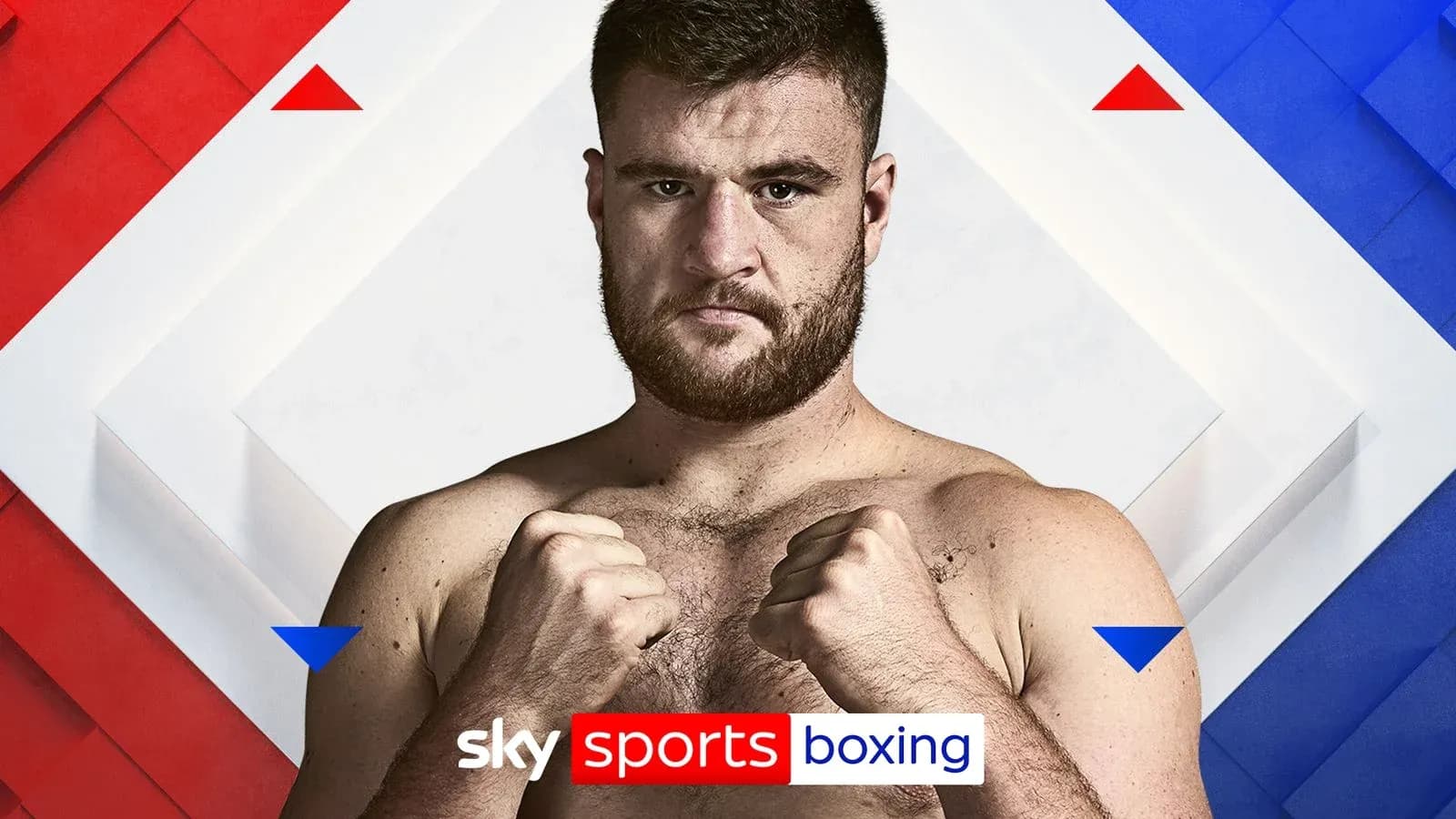
Filip Hrgovic walked into the O2 Arena to a wall of hostility and walked out with Moses Itauma’s world-title dream in pieces.
The Croatian, written off by many as the seasoned gatekeeper to a new era, ripped the script apart in a brutal, breathless heavyweight clash in London, stopping the 21-year-old prodigy in the ninth round after surviving an early storm that would have broken most men.
A coronation turns into a crisis
This was supposed to be a coronation.
Itauma, unbeaten in 14, tipped as the next great heavyweight, walked to the ring to a roar that shook the building. Hrgovic, draped in Croatia’s red-and-white checks, had been booed to the ring, the villain in someone else’s story.
The build-up had been hot. Shoves, slaps, needle at every face-off. The crowd had picked a side long before the first bell. And Itauma started like a fighter determined to prove them right.
From his southpaw stance he snapped out straight lefts, beating Hrgovic to the punch, beating him to position, beating him to everything. The older man, an Olympic bronze medallist and only previously beaten by Daniel Dubois, is known for his durability, but even he looked rattled by the sheer speed and volume coming his way.
Early in the second round, the arena exploded. A right hook from Itauma sent Hrgovic off balance, his glove brushing the canvas. It was ruled a knockdown. Noel Gallagher, Prince Naseem Hamed and thousands more rose as one, gasping at almost every Itauma shot, landed or missed, as if witnessing the arrival of the division’s next ruler.
At that point, it looked like a mismatch in talent and tempo.
The warning signs
But the clock was already ticking on Itauma’s engine.
By the end of the third, the 21-year-old – who had boxed just 26 professional rounds before this, his first world-title shot for the vacant IBF belt – was breathing heavily. The work-rate was ferocious, the ambition even more so, and both came at a cost.
Questions about his chin had lingered before the fight, not because it had looked fragile, but because it had barely been touched. Hrgovic started to answer them. He began to find a home for the odd heavy shot, single punches that cracked through Itauma’s guard. The Briton took them well and fired back instantly, but the pattern had shifted. The older man was no longer drowning; he was learning the rhythm.
A brief disturbance in the stands during the fifth pulled eyes away from the ring, yet Itauma dragged the focus back with a sharp uppercut in the dying seconds. It was another reminder of his talent, another burst that drew cheers and, just as importantly, drained his reserves.
He continued to throw combinations, three, four, five punches at a time, while Hrgovic refused to budge. At the bell in the sixth, Itauma crashed in a huge right hand. The kind of shot that has ended nights and careers. Hrgovic simply absorbed it, reset, and walked back to his corner.
The same story played out in the seventh. Another big right from Itauma, another stoic response from the Croatian. The younger man was clearly ahead on the cards, but he wasn’t boxing his way to safety. He was chasing a statement knockout against a man built to survive storms.
The tide turns
The pressure finally told – just not in the way Itauma had imagined.
In the eighth, he surged again, emptying the tank in a furious flurry that backed Hrgovic onto the ropes and had him briefly in trouble. The crowd sensed the finish and roared him on. But between exchanges, Itauma’s face told its own story. Grimaces. Laboured breathing. Shoulders rising and falling a little too fast.
The danger was obvious now. Hrgovic had taken everything and was still there, still coming forward, still believing. Itauma had won the rounds but spent the energy that might have carried him through the championship distance.
When the ninth began, Hrgovic emerged with the look of a man who knew the moment had arrived.
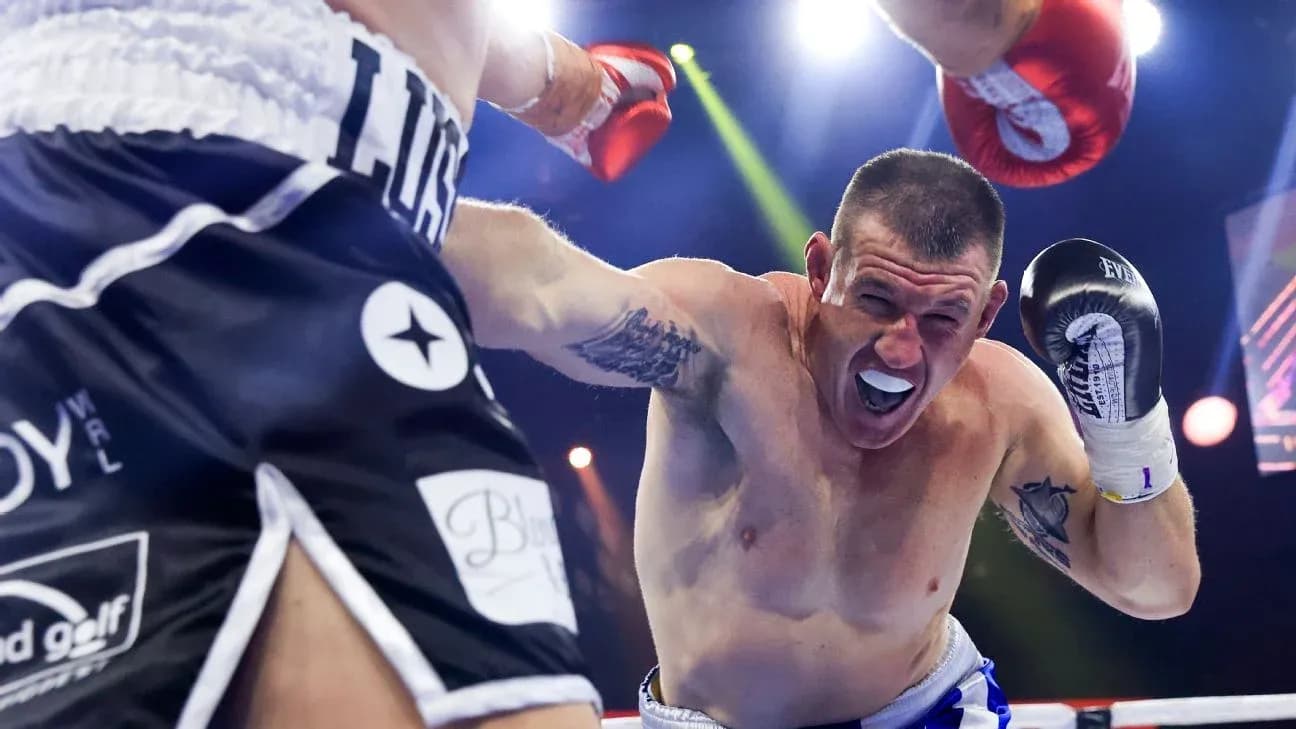
He stepped in behind a heavy right hand that thudded into Itauma and sent the youngster staggering backwards, almost tumbling through the ropes. Somehow Itauma stayed upright, but his legs betrayed him. The sharpness had gone, replaced by a desperate, instinctive attempt to survive.
Hrgovic didn’t rush wildly; he pressed, calmly and cruelly, walking his man down. Every punch now shook Itauma, whose body language screamed exhaustion. His hands dropped, his responses slowed, his frame sagged.
Then came the end. Itauma slumped back into his own corner, swaying, barely able to defend himself. His team saw what he could no longer hide and flung in the towel. The referee stepped in. It was over.
Experience, endurance, and a harsh lesson
As medics attended to Itauma and he left the arena on a stretcher for precautionary checks, the mood inside the O2 shifted from euphoria to a sobering silence. The heavy favourite, on the brink of becoming the second-youngest heavyweight world champion in history, had been broken not by a single punch, but by a veteran’s patience and resilience.
Hrgovic, who had been booed on his way in, left with something far more valuable than applause: vindication.
“He is the best I have been in the ring with, but he needs more experience,” he said afterwards. “I knew I was losing the round, but I knew that I had the pace in my favour. He needs more experience, but he is one of a kind.”
He had seen it early.
“From the first round, I saw his gassing out. He started fast. I knew he was going to gas out. I knew when my chance came I needed to push. That is what I did.”
On a night that was supposed to launch a new era, the old lesson of heavyweight boxing rang out again: talent and speed can dazzle, but at this level, it is stamina, judgement and cold-blooded timing that decide who walks away with the belt.
For Itauma, the dream of instant history has gone. For Hrgovic, the IBF title – and a career-defining resurgence – now opens doors across a fractured heavyweight landscape.
The question is no longer whether Moses Itauma is the future. It’s how he responds to a brutal first taste of the present.