England's ODI Chase Dominates Ireland
England’s new era did not creep into one-day cricket. It kicked the door down.
On a cool Leicester afternoon, an experimental XI produced England’s highest successful ODI chase, mowing down Ireland’s 281-5 with 71 balls to spare and six wickets in hand. The scorecard will show a routine win. The manner of it was anything but.
Bouchier and Dunkley rip up the script
No Heather Knight. No Tammy Beaumont. No Nat Sciver-Brunt, Danni Wyatt-Hodge or Amy Jones. On paper, this looked like a test of England’s depth. On grass, it became a statement from the next generation.
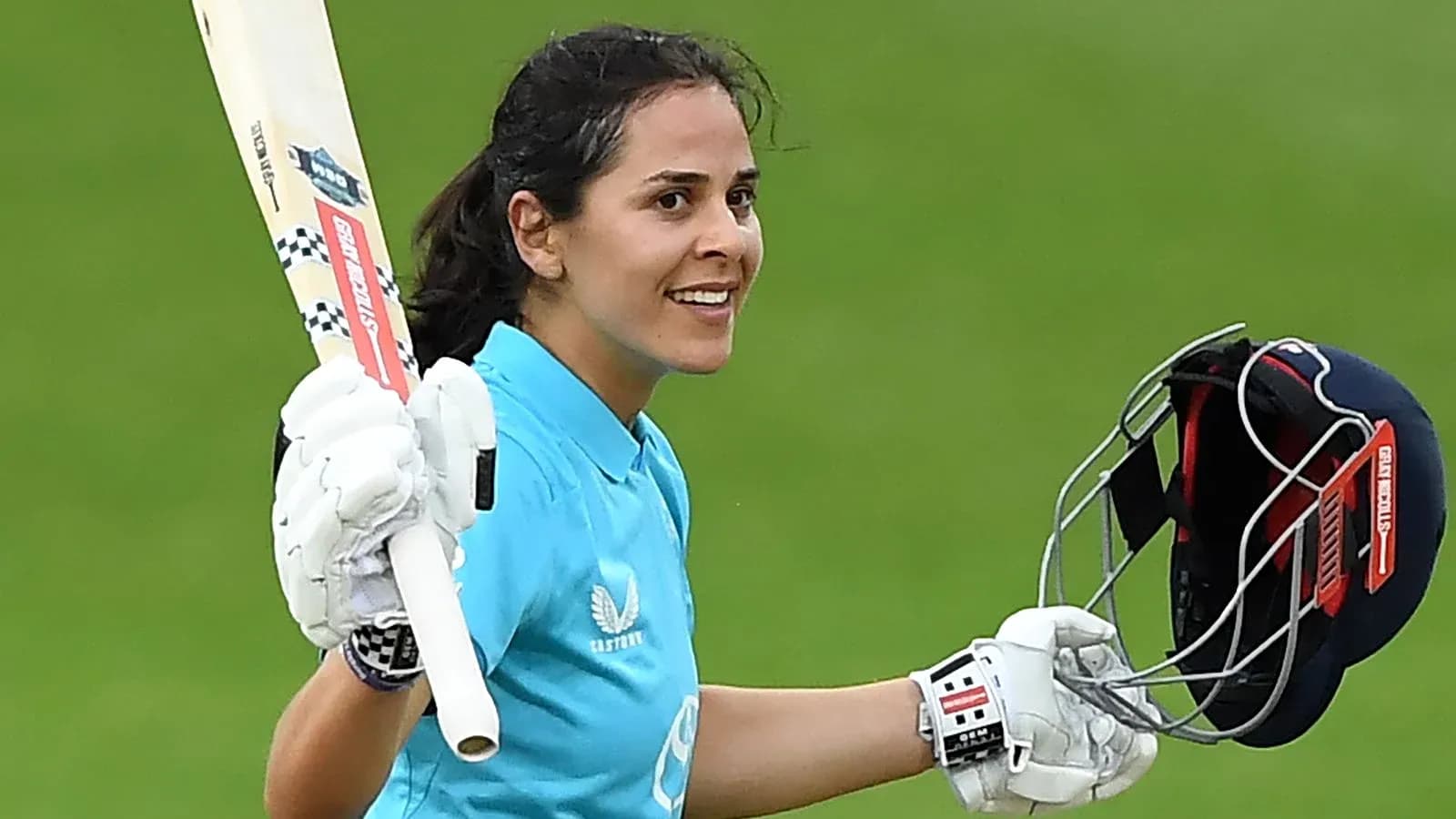
Maia Bouchier and Sophia Dunkley walked out and treated 282 as if it were a warm-up target. The pair smashed 143 for the first wicket inside 20 overs, ripping the game away before Ireland had time to settle.
Dunkley set the tone, scoring 73 from 61 balls, all clean striking and intent. She bullied the new ball, driving and pulling anything loose, and never allowed Ireland’s seamers to dictate terms. When she miscued a return catch to leg-spinner Cara Murray, England were already 173-2 in the 24th over. The chase was effectively on rails.
At the other end, Bouchier was relentless. Her 104 from 95 balls was only her second ODI hundred, but it had the calm authority of a seasoned opener. She matched power with placement, repeatedly piercing the infield and punishing anything short. Early in the chase she took four boundaries in a row off Jane Maguire, a brutal over that announced England’s intent and rattled Ireland’s plans.
By the time Bouchier holed out to Arlene Kelly in the 32nd over with 59 needed, the job was almost done. The applause that followed was not just for the runs; it was for a player who looked entirely at home leading a chase of record proportions.
Ireland bat bravely, England bowl scruffily
The day had started very differently. With Sophie Ecclestone and Lauren Bell rested alongside the senior batters, England’s attack looked raw – and it showed.
Charlie Dean, standing in as captain, watched her side leak 33 extras, including 20 wides. The lines were ragged, the discipline missing. Issy Wong’s first spell summed it up: she removed Alice Tector for 11, but an over of four consecutive wides outside off stump underlined the inconsistency.
Ireland did not waste the charity. Captain Gaby Lewis and Amy Hunter built a superb second-wicket stand, adding 136 and dragging their team from 13-1 to 149-1. They ran hard, turned ones into twos and then layered boundaries on top. Lewis made 69, Hunter 62, and for a long stretch England’s bowlers looked short of ideas and control.
The breakthrough came from Wong, who finally hit her length and sent Lewis’ off stump cartwheeling, beating her through the gate. The dismissal cracked open the innings. Hunter fell to Dean, bowled after another composed knock, and Orla Prendergast’s attempted heave at Mady Villiers ended in a superb diving catch from Bouchier at deep midwicket.
Ireland regrouped again through Rebecca Stokell and Leah Paul. Their 84-run stand from 71 balls for the fifth wicket pushed the total towards something imposing. Stokell finished 54 not out, Paul added 29, and at 281-5 Ireland had every right to feel they were in the contest.
Even in the closing overs, chaos lingered. Wong beat Stokell with a ball that thudded into the leg stump and somehow failed to dislodge the bails, running away for four byes. It summed up England’s day with the ball: threatening at times, untidy too often.
Dean, though, emerged with credit. Her 2-44, including the key wicket of Hunter, came with the added burden of captaincy. She was also the one who tightened the screws at the death, sharing the final four overs with Wong and conceding just 24 runs between them. Ireland did not find a single boundary off the bat in that closing stretch.
Capsey shines with the gloves, then finishes the job
If England’s fielding was patchy – 33 extras tell their own story – one player stood out. With Amy Jones rested, Alice Capsey took the gloves and looked as if she had been keeping for years.
Early in the Ireland innings she pulled off a stunning one-handed catch to her right in the fifth over, a dismissal that set the tone for her day behind the stumps. Her movement was sharp, her hands clean. Across 50 overs, she barely put a foot wrong. If this was meant to be a stop-gap solution, she has turned it into a live selection question.
Capsey’s impact did not end there. When Bouchier departed and the chase briefly threatened to drift, she stepped in with the bat and calmly steered England home. Her unbeaten 41 from 40 balls was all about control – rotating the strike, punishing the bad ball, and refusing to let the rate creep up.
The real fireworks, though, came from Freya Kemp.
Kemp arrived with 59 still needed and immediately changed the mood. In the 34th over she tore into Kelly, drilling four boundaries in a row, echoing Bouchier’s earlier assault on Maguire. It was raw, fearless hitting from a player who clearly relishes the big stage.
Her 36 from 22 balls ripped the last vestiges of tension out of the chase. She dominated a 54-run stand with Capsey that took just 38 deliveries, and for a while it looked as though she would finish the match with a flourish. Instead, she fell trying exactly that, caught at deep midwicket off Murray as she aimed for the winning six.
Capsey simply nudged England over the line, helped by Ireland’s own fielding lapse – a misfield at deep midwicket allowing the winning boundary to slip through and sealing a chastening end for the tourists.
A record chase, and a warning shot
This was not just any win. England’s previous best ODI chase was 267-8 against Australia in Bristol during the 2023 Ashes, a night dominated by Knight and Beaumont. Both have now retired. On this evidence, the baton has been passed decisively.
Dunkley and Bouchier took on the responsibility and did not blink. Behind them, Capsey and Kemp showed the kind of fearless finishing that modern one-day cricket demands. All of it came with a second-string attack and several senior players watching from home.
Dean did not hide from the flaws. She admitted England “could have been a little tighter with the ball” and pointed to room for improvement in the field. She also praised the top order for attacking the powerplay as a “blueprint” for how this side wants to play 50-over cricket.
For Ireland, there were genuine positives. Lewis, Hunter, Stokell and Paul all contributed to a total that would trouble many sides. Murray’s 3-58, including the wickets of Dunkley, Kemp and the beautifully flighted dismissal of Jodi Grewcock for 9, showed craft and courage in the middle overs.
But the cold truth is this: once England’s chase gathered pace, Ireland never truly had them under pressure. Too many boundary balls, too many misfields, and a ruthless batting unit made sure the tourists’ good work with the bat dissolved into a heavy defeat.
The series moves to Derby on Thursday with England 1-0 up and brimming with confidence. With senior names still resting and youngsters grabbing their chance, the question now is not whether this new-look side can compete.
It’s how quickly they can make this kind of dominance their norm.