England's Cricket Evolution: Joe Root's Second Reign
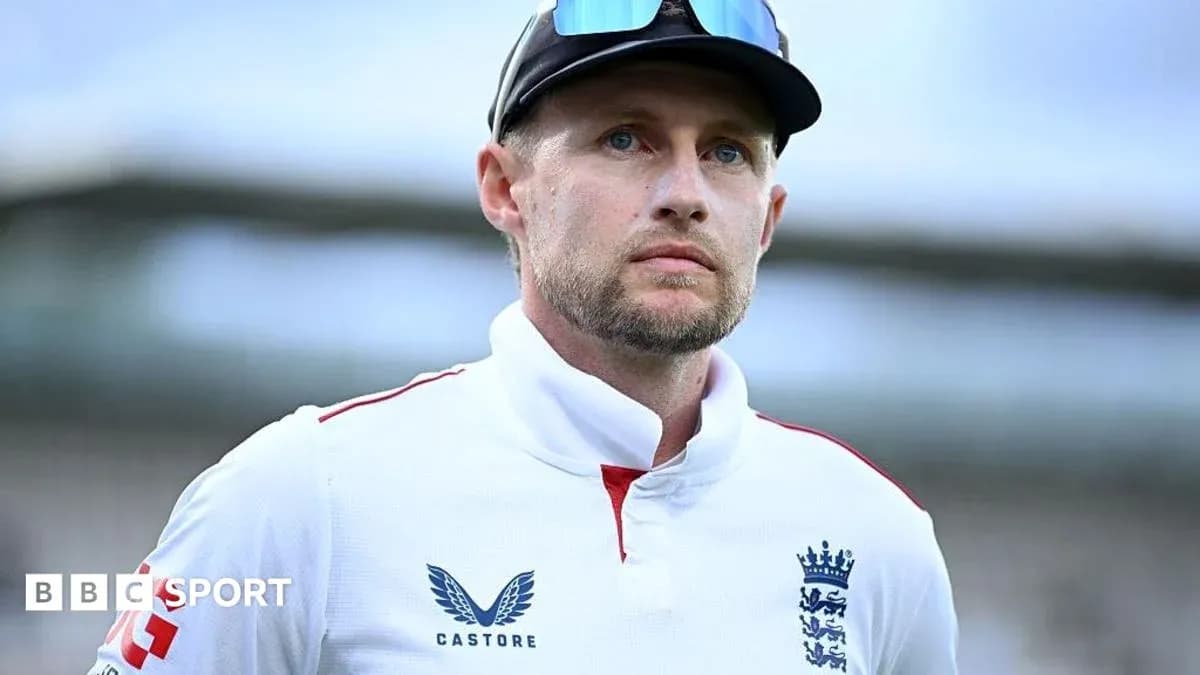
Joe Root back in the blazer. Kevin Pietersen back in the dressing room. It is 2026 and, somehow, English cricket has looped back on itself.
For those two things to feel almost normal says everything about a summer that has rattled the foundations of the Test side. One of the most turbulent seasons in recent memory has ended not with a grand reset, but with England stumbling into a post-Bazball world almost by accident.
The argument over whether the hierarchy should have changed after the Ashes has been overtaken by events. Leadership, philosophy, slogans – all of it feels dated already. England have moved on without really meaning to.
Try telling anyone inside the current dressing room that the summer has been wasted. Jordan Cox, Emilio Gay and Dan Lawrence have broken through. Ollie Robinson has roared back to life. Root has had to dig his old captain’s blazer out from the back of the garage. Careers have shifted. Reputations have hardened.
Are England better now than they were in June? Strip it back and the answer is awkward. They have lost Ben Stokes. No side shrugs that off and improves. Yet that should not smother what they achieved in sweeping Pakistan 3-0.
Stokes’ shadow still stretches across this team. It is no slight on him to say his personality dominated the era he led. By the end, England were an extension of what Stokes said, how he walked, how he thought about risk. Every declaration, every field, every chase carried his stamp.
Root is a different creature entirely. Quieter. More measured. Less evangelical.
For most of the summer, that shift felt healthy. Until the third evening of the third Test at Edgbaston, England looked composed, almost serene. They had not really been pushed; they had not really been forced to confront old scars.
Then came Razaullah.
Two hours of mayhem from Pakistan’s batter ripped through England’s calm. Every clean strike chipped away at Root’s authority, every boundary dragged up doubts from his first spell in charge. Fields scattered. Plans frayed. The captain himself slipped off the field for a breather as the chaos swirled. Under Stokes, England rarely looked so collectively rattled, even when the cricket was wild.
There were, at least, flickers of a new tone. Stand-in coach Marcus Trescothick did not try to spin the collapse into a positive. He admitted his disappointment, a marked change from the relentless “everything is fine” messaging of the Bazball years. England sounded like a serious Test side again, not a marketing campaign.
Yet the summer closes with a familiar feeling: nobody truly knows how good this team is. The pattern is wearyingly clear. A drawn Ashes in 2023. A shock defeat by Sri Lanka at The Oval in 2024. Failure to close out the final Test against India last year. Now this.
When the defining series arrive, England keep falling short. Between those marquee contests, they generate intrigue, not certainty. The brass ring remains out of reach, the pot of gold still glinting on a distant horizon.
What they do have is a pace attack that, at its best, looks capable of carrying them towards that treasure.
Robinson has owned the English summer. Twenty-eight wickets at 9.32 – figures plucked from a sepia-tinted age of uncovered pitches and timeless Tests. His relentless accuracy and late movement have underpinned everything.
Around him, Jofra Archer, Josh Tongue and Gus Atkinson have supplied raw speed and hostility. Together, they form a four-man pace unit already being whispered about in the same breath as 2005. It is not a perfect comparison – there is no left-armer, no Andrew Flintoff – but this is an attack with options. A Swiss army knife in whites.
Scratch the surface and the depth looks thinner. One injury and England are leaning on bowlers still learning the rhythms of Test cricket. Sam Cook, Sonny Baker, Matthew Fisher and Henry Crocombe have four caps between them. Brydon Carse is in the frame, though his Derby incident remains under investigation and may yet shape selection. Olly Stone, fit and in form again, hovers as the familiar “what if” of English fast bowling.
The immediate challenge is selection, not sentiment. South Africa in December, a one-off pink-ball 150th anniversary Test in Melbourne, then Bangladesh in February. Three very different examinations, three very different pitches, one winter.
On hard, quicker surfaces in South Africa and Australia, England can unleash all four seamers in various combinations. That is the tempting part. Bangladesh is the reality check. Two Tests in Dhaka and Chattogram will demand something England have barely used all summer: spin that wins matches, not just holds an end.
Right now, spin is an afterthought. On green-tinged English pitches, the slow bowlers have been reduced to spectators. As a result, the list of candidates for Bangladesh is long and messy precisely because no one has nailed down the role.
- Shoaib Bashir
- Jack Leach
- Dom Bess
- Will Jacks
- James Coles
- Mason Crane
- Liam Patterson-White
- Calvin Harrison
- Jack Carson
All can make a case. None has slammed the door shut. The incumbent, on paper at least, is Dan Lawrence, whose part-time off-breaks have barely been tested in anger.
Lawrence’s ability to bowl gives him a slender edge when Jacob Bethell returns from a knee injury. Bethell’s presence will likely squeeze the batting order, forcing a choice between Jordan Cox and Emilio Gay for that first Test in South Africa.
Those are the decisions that will define Root’s second reign. Not slogans. Not soundbites. Who bats at three in Centurion. Which spinner bowls the 75th over in Dhaka. Which quick takes the new pink ball under lights at the MCG.
England have changed captain without changing the question that stalks them: when the next big series arrives, will this be the team that finally reaches out and grabs it?