Elena Rybakina Withdraws from WTA Finals Due to Illness
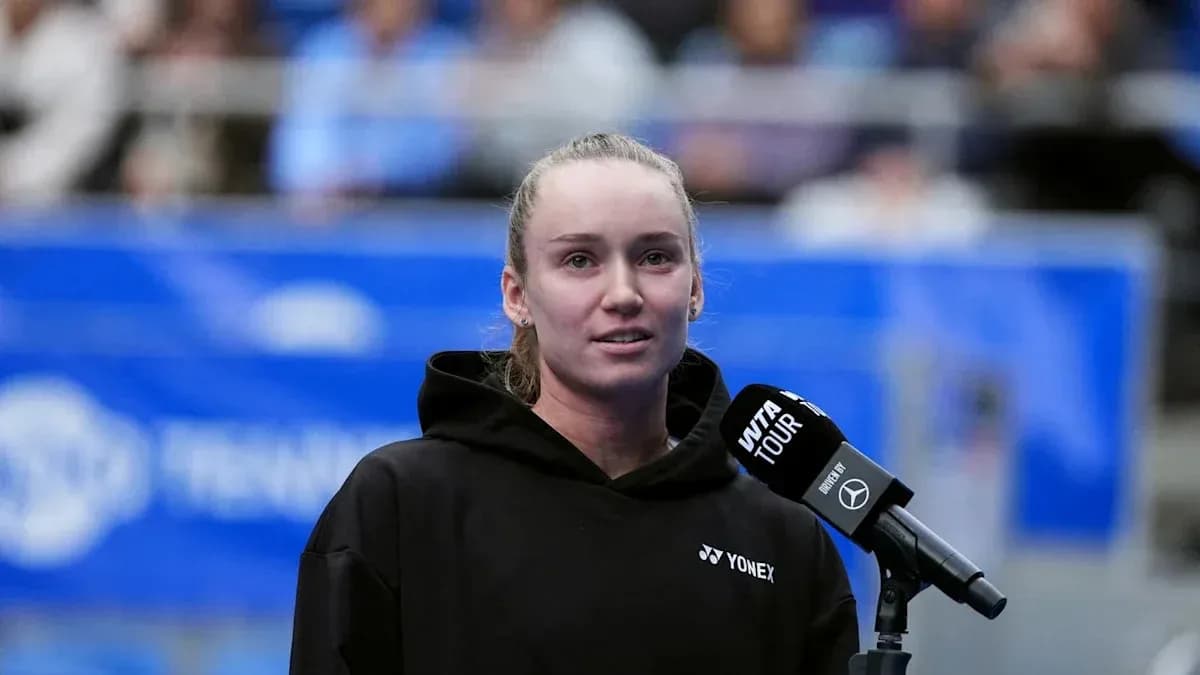
Elena Rybakina, the dominant force of the 2026 season and clear favourite for the WTA Finals crown, will not hit a ball in anger in Indian Wells. The world No 1 has withdrawn from the season-ending showpiece with a viral illness, cutting short what had been the most commanding year of her career.
The timing could hardly be more brutal. Rybakina arrived on tour this year as the player everyone else had to chase, then spent 11 months proving exactly why. She collected her second and third major titles at the Australian Open and US Open, then finally pushed past Aryna Sabalenka to reach the top of the rankings for the first time, ending the Belarusian’s spell at No 1.
Now, just when the stage was set for a heavyweight reprise, the curtain comes down early.
“I am really sad to inform all my fans and supporters that I unfortunately have to withdraw from the WTA Finals this year,” Rybakina said on Saturday. “I've had an incredible season but my body is just not physically ready to compete. I'm going to spend some time resting and recovering at home and getting myself ready for the 2027 season.”
Her absence instantly reshapes the narrative in California. Sabalenka, beaten by Rybakina in last year’s WTA Finals title match, suddenly sees a clear opening to close the ranking gap that had widened across the summer. The rivalry that has defined the top of the women’s game this season loses its headline act this week, but the stakes for Sabalenka only grow.
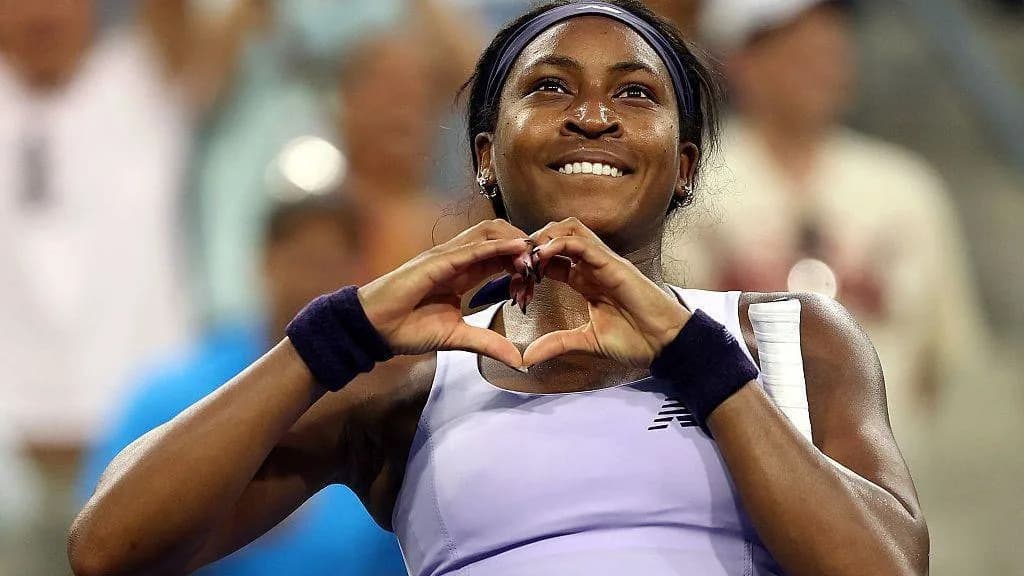
Ukrainian Marta Kostyuk, first alternate, steps into the draw and into the glare. She joins an eight-player field that still bristles with quality: Sabalenka, French Open champion Mirra Andreeva, Wimbledon champion Linda Noskova, Coco Gauff, Jessica Pegula, Elina Svitolina and Karolina Muchova complete the line-up at Indian Wells.
For Rybakina, the withdrawal carries more than symbolic weight. She surrenders the chance to become the first woman since Serena Williams in 2014 to win the WTA Finals in back-to-back years, a milestone that would have underlined her growing grip on the sport.
Even without that, the numbers from her campaign are stark. The Kazakh closes her season with a 54-14 win-loss record, including a formidable 17-2 at the grand slams. She added WTA 500 titles in Stuttgart and Ningbo, and reached the finals of two WTA 1000 events, at Indian Wells and Toronto, reinforcing her status as the tour’s most reliable big-stage performer.
The warning signs, though, had been creeping in since her triumph in New York. The second half of her season has been punctured by physical problems, most notably a neck injury that forced her to pull out of the quarter-finals in Tokyo late last month. The viral illness that has now ended her year feels like the culmination of a body pushed to its limit.
So the defending champion stays home. The No 1 ranking remains hers, but the last word of the year will belong to someone else. The question now is not what she has done in 2026 — that is etched in the record books — but how much more dangerous she might be after a rare, enforced pause.