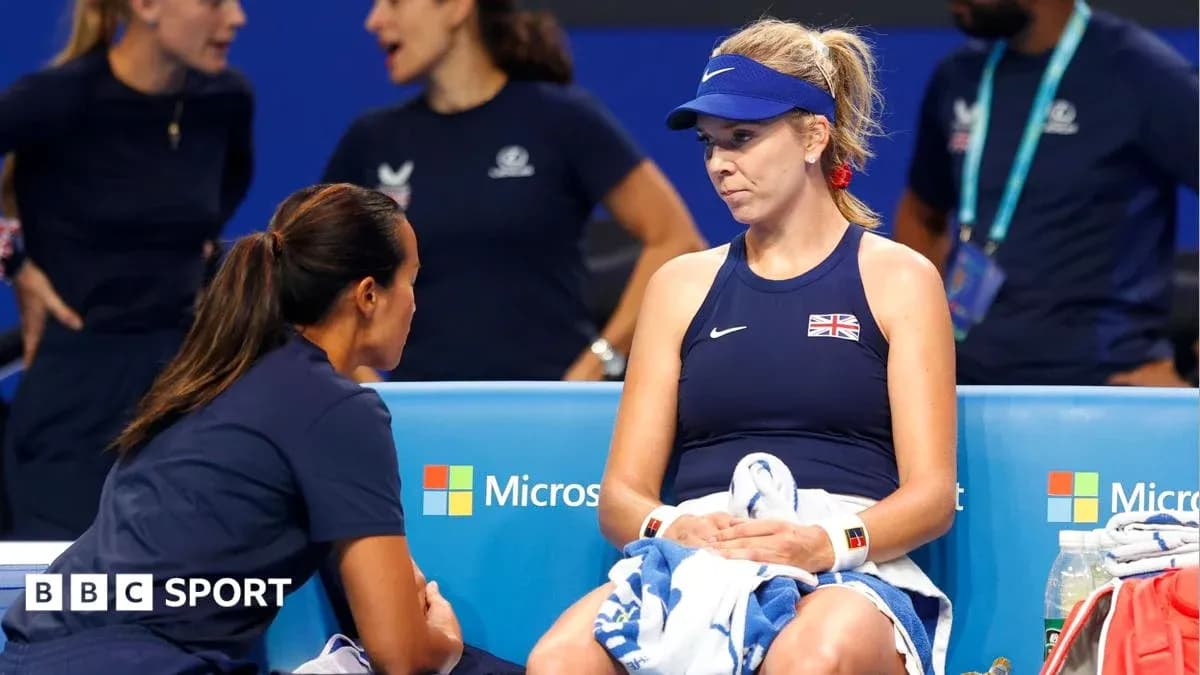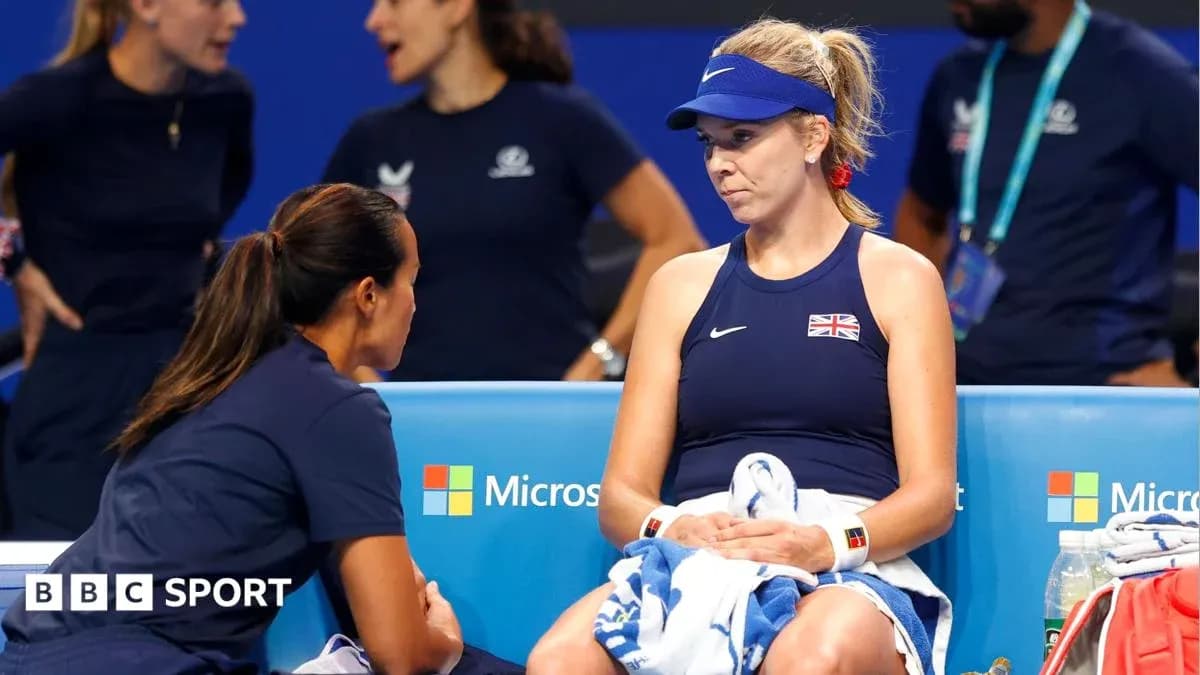
Elena Rybakina Claims No. 1 Ranking at US Open Final
Aryna Sabalenka stopped hitting for a moment.
On a distant screen inside the US Open complex, Arthur Ashe Stadium flickered into view. Elena Rybakina was out there again, swinging freely, marching towards something that had been stalking Sabalenka for months: her No. 1 ranking. The Belarusian’s face tightened, just for a heartbeat. Then she turned back to her practice court and resumed hitting.
The threat had been coming. Everyone on tour knew it.
Rybakina’s climb to the summit did not begin in New York, or even this summer. It started last season, when she closed out 2025 by beating Sabalenka in the WTA Finals Riyadh championship match. Weeks later in Melbourne, she came from 3-0 down in the deciding set to beat Sabalenka again and win the Australian Open. Those weren’t isolated blows; they were markers laid down.
By the time the tour rolled into North America, the equation was clear. Rybakina, 27, reached the final in Montreal, hauling herself back into the conversation for the top ranking. Then her body threatened to betray her. A left ankle and heel tendon issue flared in Cincinnati. She called it a “chronic foot injury,” withdrew from her quarter-final there, and suddenly her US Open campaign looked in doubt.
She did not confirm she would even play in New York until the last possible moment.
Once she did, she barely looked back.
Rybakina cut through the opening week without dropping a set. The performance that really jolted the locker room came in the round of 16, when she dismantled Naomi Osaka. Seven aces. Eighty-seven percent of points won behind her first serve. It was a statement, and Sabalenka was watching it all unfold.
Questions about rankings inevitably followed Sabalenka around the grounds. She tried to push them away.
“I completely separate myself from that, because it’s just guessing. It’s like if, if, if, if. I’m just trying to bring my best tennis every time I’m competing out there and basically fight for it,” she said after reaching the quarter-finals, framing the chase as noise she could shut out.
When Rybakina finally did what had long seemed inevitable and moved past her into the top spot, Sabalenka bristled.
“I don’t care!” she snapped, insisting that the US Open trophy mattered more than any number next to her name.
Rybakina kept moving. In the semi-finals, former US Open champion Coco Gauff surged early but could not live with the sustained weight of the reigning Australian Open winner’s hitting. Gauff took the first set; Rybakina took the match in three and walked into her first US Open final with the air of a player who understood the size of the stage and still felt entirely at home on it.
Waiting for her was Sabalenka, the queen of Ashe.
The Belarusian had not lost on that court in two years. She stood one win away from joining one of the sport’s rarest clubs, aiming to become just the third woman ever to win three straight US Open titles. She was the favourite. She knew the arena, the night, the noise.
But the night belonged to Rybakina.
In 2 hours and 21 minutes of fierce, often brutal hitting, the Kazakh wrestled the trophy and the ranking into her own hands, winning 6-4, 5-7, 6-2. The scoreline says three sets; the feel was of a power struggle for the very top of the women’s game.
Rybakina’s opening set told its own story. She landed only 27% of her first serves yet still broke for 3-2, leaning instead on the depth and pace of her groundstrokes. Sabalenka, usually the one dictating, found herself absorbing instead.
The second set swung on fine margins. Rybakina raised her first-serve percentage to 61% and carved out two break points, but Sabalenka shut the door each time. At 3-5, Rybakina saved two set points and held for 5-5, threatening to steal the set with a late surge. Sabalenka, though, finally punched through two games later, breaking to level the match and dragging the final into a decider.
Momentum seemed to have shifted. It didn’t last.
Rybakina reset, tightened her patterns, and grabbed control early in the third. She broke for 2-1, then again for 5-2, finishing that game with a crisp volley winner that sliced through the tension. A few points later, she closed the match with her 12th ace, echoing the way she had sealed the Australian Open title eight months earlier. Same weapon. Same ruthlessness. Different continent.
By the end of the night, the numbers around her season looked historic. Rybakina had produced the best Grand Slam campaign of her career and climbed to the pinnacle of the sport. She also carved out a slice of history: the first woman since Steffi Graf in 1995 to beat the world No. 1 in a Grand Slam final twice in the same year. Back then, Graf took down Arantxa Sánchez-Vicario at Roland Garros and Monica Seles in New York. Now, Rybakina’s name sits alongside that company.
When the WTA rankings are released on Monday, she will officially become the 30th woman in the Open Era to hold the No. 1 spot.
For Sabalenka, the swing from dominance to displacement came with brutal speed. In the space of 72 hours, she surrendered the ranking and the US Open crown. She leaves 2026 without a major title, the first season since 2022 that she has failed to win a Grand Slam.
Her frustration spilled out in a post-match meltdown on court, racquet smashed, emotions raw. Yet by the time she spoke about what comes next, the defiance had returned.
“I don't even know how many weeks I was able to be there, but it was amazing. Let's see if Elena can beat me in that. If she continues playing like that, I'm in trouble,” she said, half warning, half challenge.
The rivalry has its new world No. 1. The question now is how long Rybakina can stay there with Sabalenka charging after her again.