Eala's Fans Transform Tennis Experience at Louis Armstrong Stadium
Louis Armstrong Stadium does not often sound like this.
On Thursday, it shook.
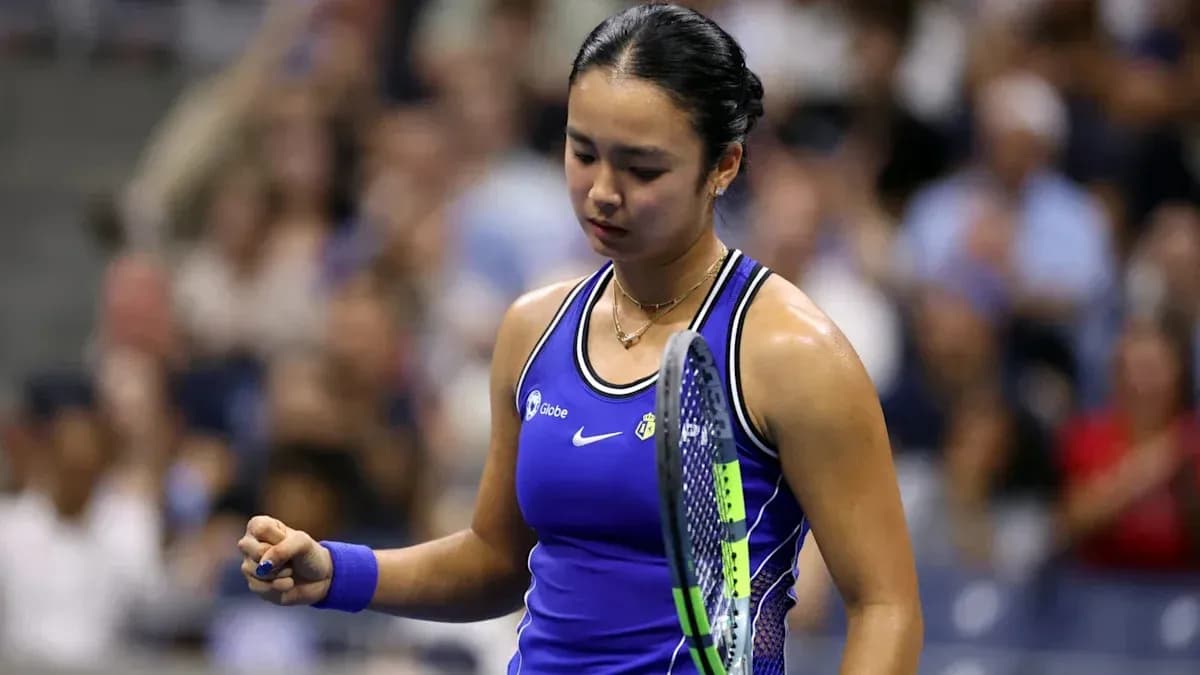
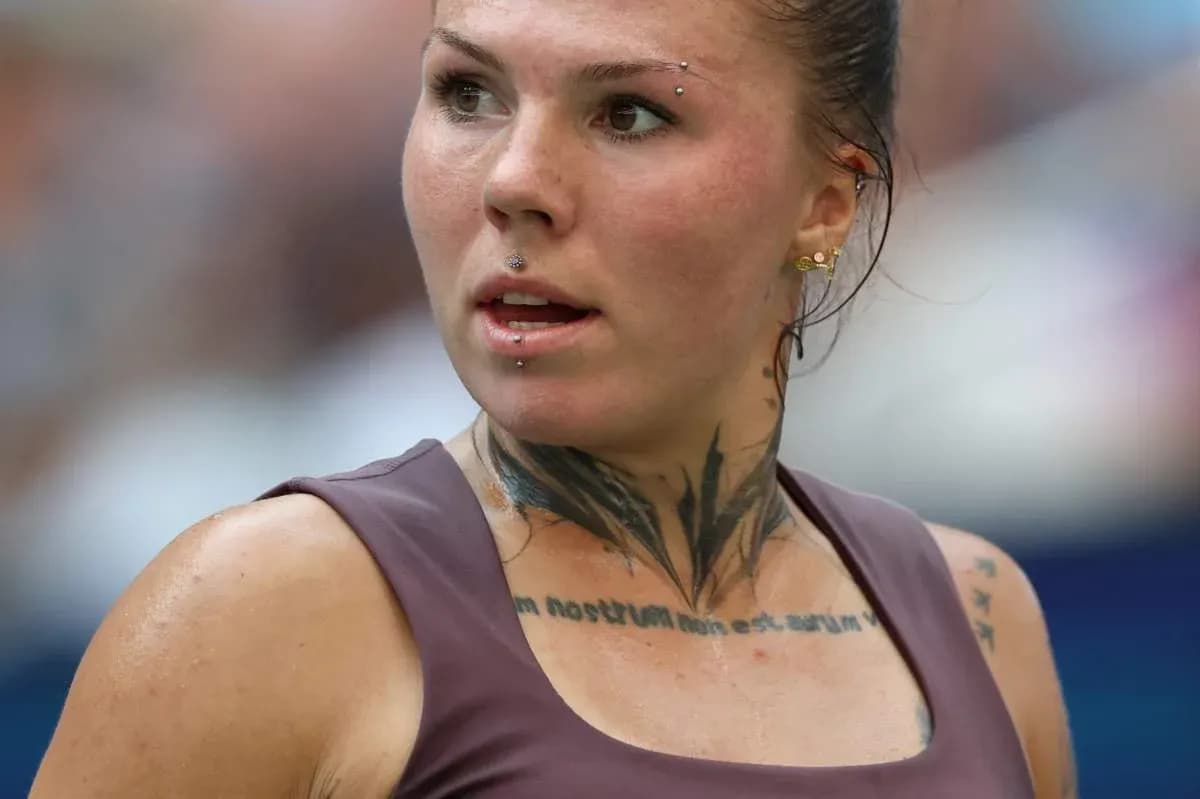
Drums, chants, flags. A sea of red, blue and yellow wrapped around the court, every Alex Eala point met with a roar that would not have been out of place at a basketball arena. For Oleksandra Oliynykova, standing on the other side of the net in a 6-1, 6-4 defeat, it could have felt hostile.
It did not.
Hours after walking off court, the Ukrainian opened Instagram and sent a message not of complaint, but of gratitude — and she chose to do it partly in the language of the people who had been cheering against her.
“Mahigpit na yakap sa aking mga tagahanga sa Pilipinas!” she wrote. “Napakainit ng inyong pagmamahal, napakatapat, at talagang kahanga-hanga kayo!”
A tight embrace to her supporters in the Philippines. Praise for their warmth, their loyalty, their kindness. From the player they had just wanted to lose.
In a few lines, Oliynykova cut straight through a debate that has followed Eala all summer.
A New Noise in an Old Sport
Tennis prides itself on its codes. The hush before a serve. The polite applause. The unwritten rules that regulars absorb long before they buy a ticket to a Grand Slam.
Eala’s fans have walked in and blown that up.
The Washington Post this week detailed how some of her newer followers have cheered double faults, shouted during points and needed reminders about when silence is non-negotiable. One sign at this US Open captured the clash in eight blunt words: “Sorry we’re loud. We’re Filipino.”
To traditionalists, that noise has looked like a breach of etiquette. Philippine outlets have responded by publishing primers on tennis customs, explaining to a fresh audience why cheering at the toss is different from cheering at the winner.
There is a line. Players deserve quiet when they serve and rally. They deserve a fair stage.
But that is only half the story.
Because what Eala is doing, in real time, is dragging an entirely new crowd into a sport that has long wondered how to reach beyond its base.
At the US Open, that has meant families arriving draped in Philippine flags. Children in Eala shirts. Fans making the short trip from Filipino communities in Queens and New Jersey, turning Louis Armstrong into something the tournament’s own channels happily called a “Filipino party.”
One woman told USOpen.org that her granddaughter picked up a racquet because of Eala.
That is not a disruption. That is growth.
The Opponent Who Felt the Warmth
Oliynykova had every reason to walk away annoyed. She had just been beaten by a rising star backed by a partisan, deafening crowd. Instead, her post told a different story.
“I went for a little walk around the US Open grounds, and it was incredibly heartwarming to see how many people came up to me with kind words,” she wrote.
She spoke of an “incredible number” of messages and comments. Of feeling supported by the same people who had been screaming for her exit.
That detail matters. It shows what the noise actually carries.
During the match, the loyalty is fierce, almost tribal. After it, the tone flips. Fans pose for photos, offer congratulations, send multilingual messages. It is a familiar strain of Filipino hospitality: unyielding in competition, generous the moment the contest ends.
Oliynykova did not just accept that. She amplified it, choosing to answer in three languages, including Filipino, as if to meet those fans where they stood.
The etiquette debate did not disappear with one Instagram Story. But it suddenly looked more complicated than a simple verdict of “too loud.”
Eala’s Crowd, Tennis’ Question
Eala’s rise has created friction because her following does not look or sound like the sport’s traditional gallery.
This is not the murmuring Centre Court crowd or the genteel applause of a country club. This is drumming, chanting, kids on their feet, Tagalog signs, a stadium that feels like a home game thousands of miles from home.
On Thursday, Louis Armstrong became one of the loudest arenas on the grounds. Reuters described Eala as drawing energy from an enthusiastic crowd packed with Philippine flags. It felt less like a second-round match and more like a national event.
The ripple effect stretches well beyond New York. The Wall Street Journal has detailed how Eala has helped ignite fresh interest in tennis across the Philippines, a country of more than 100 million where basketball courts and boxing gyms have long dominated the sporting landscape.
For years, tennis has chased a younger, more diverse, more global audience. It has tinkered with formats, schedules, and marketing campaigns to appear less stiff, more accessible.
Now, in Eala and the people following her, the sport is staring at exactly that audience — loud, emotional, learning the rules as they go, but utterly engaged.
There is room for adjustment on both sides. Fans can and should pick up the nuances of when to cheer and when to hold their breath. They do not have to abandon the passion that brought them through the gates.
What would be a mistake is to dismiss them as a problem to be managed rather than an opportunity to be embraced.
On Thursday night, a young star won in straight sets. Her opponent walked away with a loss and a new fan base. A stadium turned into a celebration that did not end at match point.
Eala’s supporters are still learning tennis’ customs.
The real question now is whether tennis is ready to learn from them.