Draymond Green's New Role in Warriors' Offense
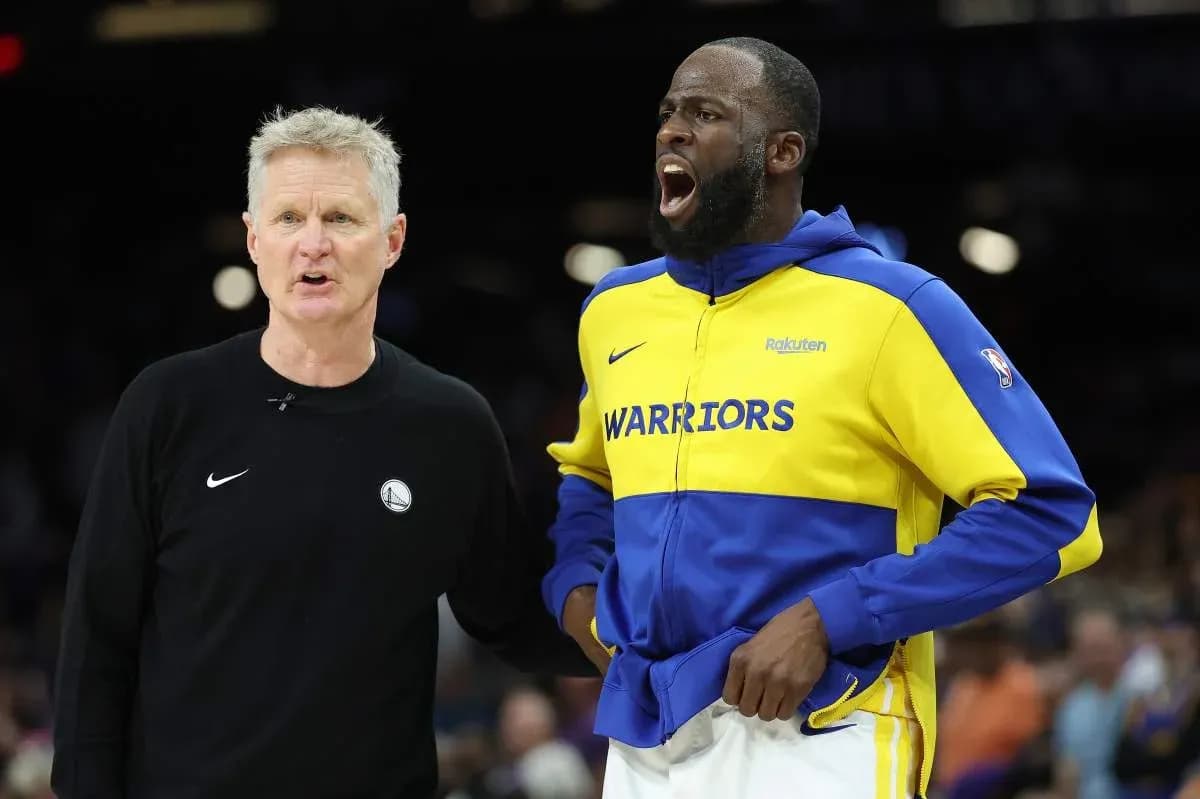
Steve Kerr has seen enough of wasted possessions and crowded paint. This season, he wants a different Golden State offense, and that starts with a familiar face doing something uncomfortable: Draymond Green letting it fly.
On the Tom Tolbert Show, Kerr laid it out with unusual bluntness. The Warriors, he said, “have to cut back on the turnovers,” and a big part of that means Green has to stop hesitating when defenses dare him to shoot.
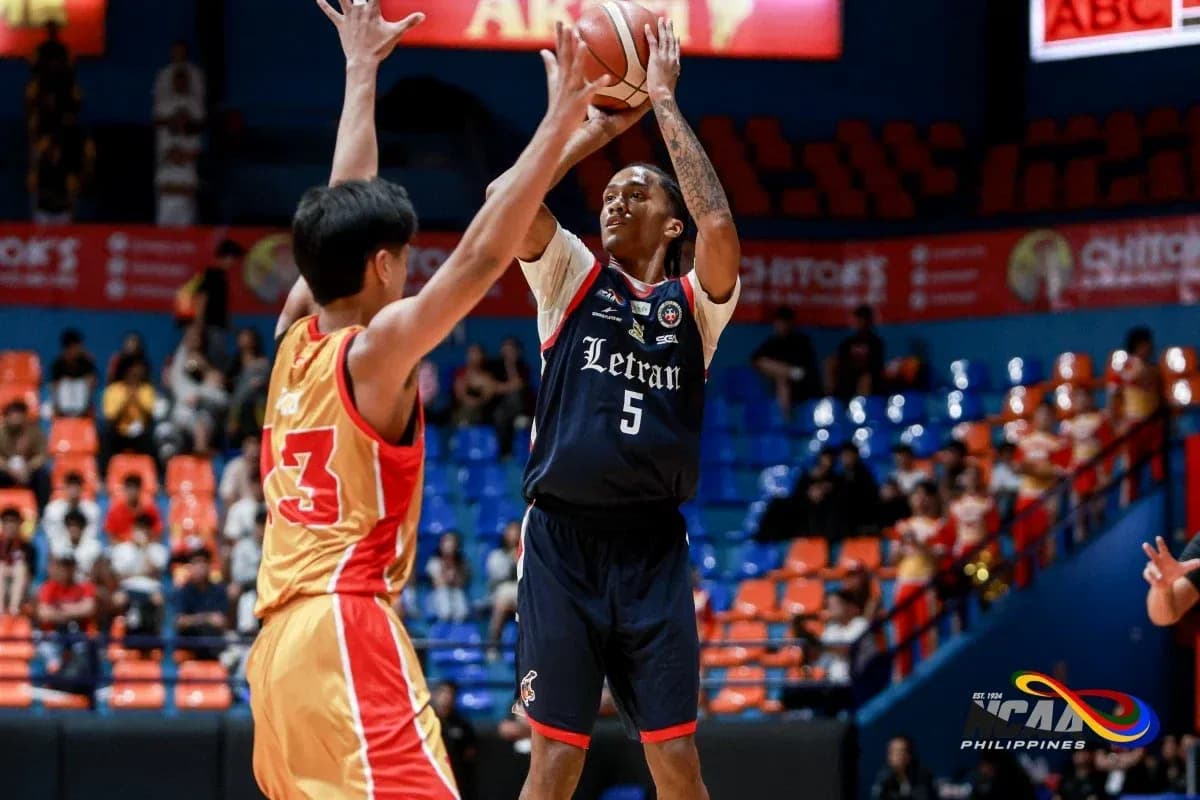
“I want Draymond shooting the three when he’s open,” Kerr said. “When he shoots a three, he may not be a super high-percentage shooter, but possessions are good for us when he shoots.
“Because, number 1, it’s worth three. Number 2, we get offensive rebounds. Number 3, there’s a flow to the game that has to happen: if someone is open and they shoot it, the game keeps moving.”
That’s the crux of it. For years, opponents have loaded up on Stephen Curry, blitzing him with doubles, crowding his airspace, and living with Green standing alone beyond the arc. Too often, those possessions have ended with Draymond overthinking, trying to thread a pass through traffic or dribble into congestion instead of taking the clean look.
Kerr wants to rip that page out of the scouting report. If Green shoots, the floor breathes. The defense has to react. Curry gets a fraction more room. The Warriors can chase second-chance points instead of scrambling back in transition after a live-ball turnover. It’s not just about percentages; it’s about rhythm, structure, and survival for a roster that no longer overwhelms teams on talent alone.
This is a different Warriors season. A thinner one. A harsher one.
Draymond’s Future on the Line
Layered on top of the tactical tweak is a far bigger question: is this Draymond Green’s last year in a Warriors uniform?
Green signed a one-year extension this offseason worth just under $30 million. It keeps him in the building, but it doesn’t lock in his future. The franchise is staring at a roster that needs fresh blood and fresh legs if it wants to squeeze more contention out of the Stephen Curry era, especially now with Jimmy Butler in the mix as a second star.
That costs money. A lot of it. And it makes one thing clear: it’s highly unlikely Golden State will hand Green anything close to this season’s salary on his next deal.
The options are brutally simple. Take a discount and finish a storied career in the Bay, or chase one more big contract somewhere else. This isn’t theoretical, either. On a recent podcast, Green admitted he nearly bolted for the Memphis Grizzlies a few years ago. The idea of him in another jersey is no longer unthinkable; it’s on the table.
So this year doubles as an audition. For the Warriors. For the rest of the league. For Draymond himself.
He has to hit more threes. Not at Curry levels, not even league average necessarily, but enough to punish teams that leave him alone and to justify Kerr’s faith in the math and the flow he described. And he has to pair that with the thing that’s always defined him: elite, snarling, high-IQ defense.
If he does that, he’ll have offers. If he doesn’t, the market will be colder than he’s used to.
Complicating it all is the presence of Yaxel Lendeborg, the promising rookie Golden State just drafted. The organization clearly sees a potential heir at power forward. Lendeborg doesn’t have Green’s brain or résumé, but he has something every front office covets: time. If he develops quickly, the calculus on paying Draymond into his mid-30s shifts again.
A Team Walking a Tightrope
The bigger picture in San Francisco is unforgiving. This isn’t the juggernaut that once toyed with the league. It’s a team that needs almost everything to break right just to get into the playoff fight.
For starters, Curry has to stay upright. So does Kristaps Porzingis, who missed significant time last season and remains one of the league’s biggest health gambles. Golden State needs both of them on the floor, not in street clothes, if it wants any real offensive ceiling.
Then there’s Butler. Recovering from a torn ACL, he has to come back by mid-season and not just play, but play at a high level. If he’s slow to return, or if he’s a step off his old rhythm, the Warriors lose the secondary star power they’re banking on next to Curry.
Even if all of that goes right, nothing is guaranteed. The West is too deep, too fast, too young.
That’s why Kerr is pushing for change from players like Green and Brandin Podziemski. The old roles aren’t enough anymore. Podziemski, in particular, has to expand his game if he wants to keep a starting spot—be more aggressive, more versatile, more willing to take risks within Kerr’s structure.
For Green, the adjustment is as symbolic as it is tactical. For a decade, he’s been the heartbeat of the Warriors’ identity: defense, playmaking, emotion. Now he’s being asked to add something that has long been viewed as his weakness and turn it into a weapon, or at least a threat.
Take the shot. Live with the result. Keep the game moving.
In a season that could decide both his future and the franchise’s direction, that simple act—Draymond Green stepping into an open three without hesitation—might say more about where the Warriors are headed than any speech in the locker room.