Dallas Mavericks Embrace New Era with Ujiri and May
The Dallas Mavericks are no longer just a curiosity on the league’s horizon. They’re a project in motion, and this summer made it clear: the franchise is tearing up the old blueprint and betting big on a new era.
Ujiri Takes the Controls, Kidd Shown the Door
The real shakeup in Dallas didn’t start with a trade call. It started in the boardroom.
After a season-long search, team governor Patrick Dumont handed the keys to the franchise’s basketball operations to Masai Ujiri, the architect of the Toronto Raptors’ 2019 championship run. That hire alone signaled intent. Dallas didn’t just want a steady hand; it wanted a proven builder of title teams.
Ujiri’s first major decision was ruthless and decisive. Jason Kidd was out. Dusty May was in.
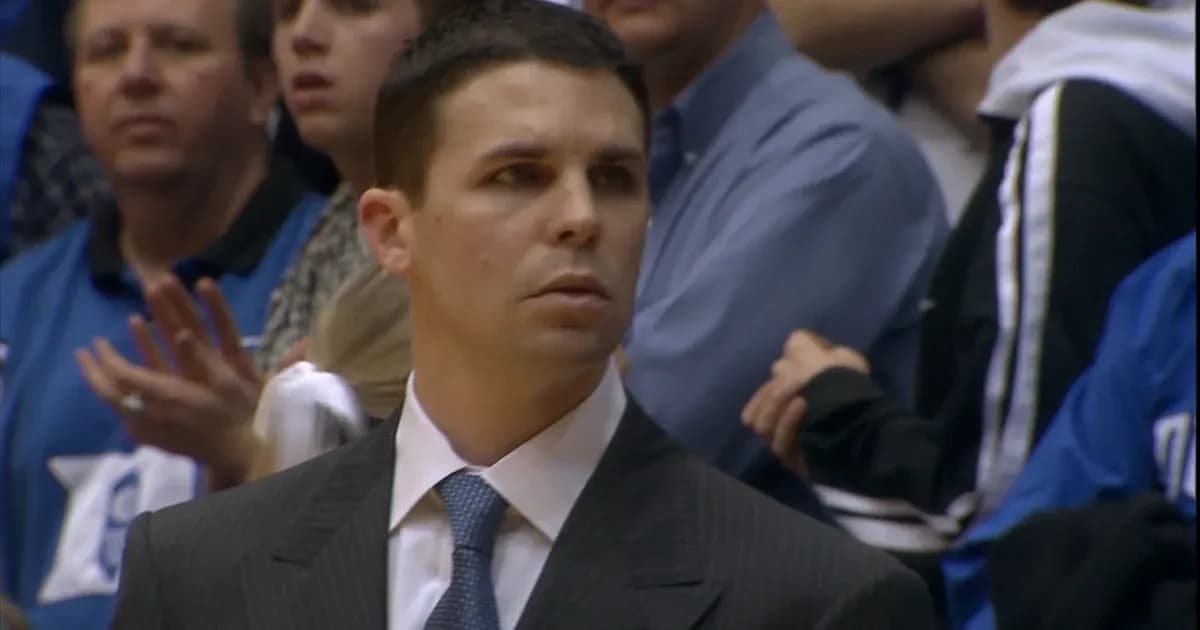
May arrives straight from the college mountaintop, fresh off an NCAA title with Michigan. It’s a bold move: a college champion asked to translate his voice and schemes to an NBA locker room that still expects to win now while grooming the future. Dallas clearly believes he can bridge that gap.
Roster Rebuild Around a Teenage Centerpiece
On the floor, the Mavericks are trying to walk a fine line—stay competitive while pivoting toward youth, especially around teenage sensation Cooper Flagg.
Dallas has already begun reshaping its depth chart. In a complex six-team deal, the Mavs added three players who can help immediately: former Grizzlies forward Santi Aldama, ex-Pistons guard Marcus Sasser and EuroLeague veteran Tarik Biberovic. They also landed a former No. 1 overall pick in the trade sequence that moved Luguentz Dort from the Oklahoma City Thunder to the Atlanta Hawks.
Those aren’t cosmetic additions. They’re the kind of mid-tier, rotation-ready pieces that help a young core grow without collapsing the competitive floor.
The tension sits with the veterans. Kyrie Irving, P.J. Washington and Daniel Gafford are all established contributors on a team with playoff ambitions, yet Dallas needs to lighten its books and carve out minutes for the next wave. Irving, because of his star power and ability to guide Flagg on and off the court, is the least likely to be sacrificed. The front office’s eyes, instead, keep drifting toward the frontcourt.
A Knicks Dilemma, a Mavericks Opportunity
While Dallas retools, New York is dealing with its own problem.
The defending champions watched Mitchell Robinson walk to arch rival Boston in free agency, a gut punch that left Karl-Anthony Towns as the lone proven big man. For a team built on physicality and playoff defense, that’s a glaring hole.
The two situations intersect cleanly in one hypothetical deal:
- Mavs receive: Mikal Bridges
- Knicks receive: Daniel Gafford and Caleb Martin
From Dallas’ side, this would be a strategic unload. Gafford and Martin are both veterans on meaningful money. Moving them would open future financial flexibility and push more responsibility toward younger bigs like Aldama and Morez Johnson Jr. The prize coming back, Mikal Bridges, would give the Mavs a two-way wing in his prime—exactly the type of player who can grow with Flagg while still helping Irving chase wins.
For New York, the logic is just as clear. The Knicks are brushing up against the second apron and need to trim salary without downgrading their rotation. Swapping Bridges for Gafford and Martin cuts more than $6 million from their payroll while plugging two postseason-tested pieces into Tom Thibodeau’s system. Gafford slots in as a starting center and an ideal pick-and-roll partner for Jalen Brunson. Martin adds another proven playoff body on the wing.
It’s hypothetical, yes. But it fits the financial and competitive realities for both sides.
Gafford on the Block, Price Tag Set
The most immediate question in Dallas centers on Gafford’s future.
The Mavericks have committed north of $300 million to their frontcourt. That number alone doesn’t doom them, but it complicates the path to building around Flagg and the younger bigs who need time and, eventually, their own paydays. Gafford, at 27, sits right in the middle of that squeeze.
According to NBA insider Brett Siegel, Dallas has already tested the market.
“They believed that they could get something (in a trade for Klay Thompson),” Siegel reported. “There was nothing there. They were talking with teams about Daniel Gafford, about potentially trading him. Again, nothing really ever happened there.”
The holdup isn’t interest. It’s price. Siegel has reported that the Mavs want a first-round pick in return for Gafford. In a league starved for reliable big men, that ask isn’t outrageous, but it’s high enough to slow serious talks.
At some point, the market usually blinks. A contender loses a center to injury. A playoff hopeful realizes its rebounding and rim protection won’t hold up in May. When that happens, Gafford’s value spikes, and a first-rounder suddenly looks more reasonable.
If that moment never comes before the trade deadline, Dallas faces a choice. Keep a productive big man and accept the financial logjam, or drop the asking price and clear the runway for Aldama, Johnson Jr. and the long-term plan.
The Mavericks have already made their philosophical move by hiring Ujiri and May and by pushing their chips toward a Flagg-led future. The next move—whether it involves Gafford, Bridges, or another name entirely—will reveal just how aggressively they’re willing to chase that vision.