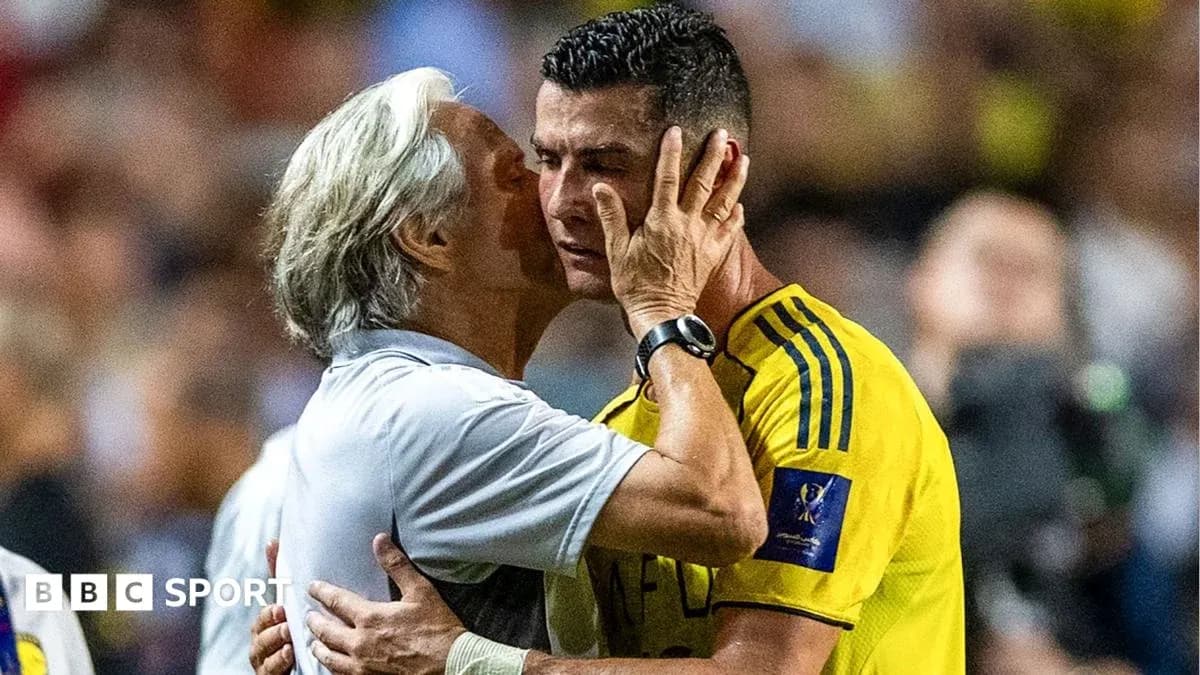
Cristiano Ronaldo’s Retirement Shocks Jorge Jesus
Cristiano Ronaldo has never done quiet exits. Not on the pitch, not in the dressing room, and certainly not on the international stage. Yet when the end finally came for Portugal, it arrived with a short Instagram video and a long shadow – and even the national coach was left watching it like everyone else.
On Thursday, the 41-year-old announced his retirement from international football on social media, drawing a line under a Portugal career that began in 2003 and reshaped the sport’s record books. The timing was striking: one day before Jorge Jesus was due to reveal his squad for this month’s Nations League fixtures.
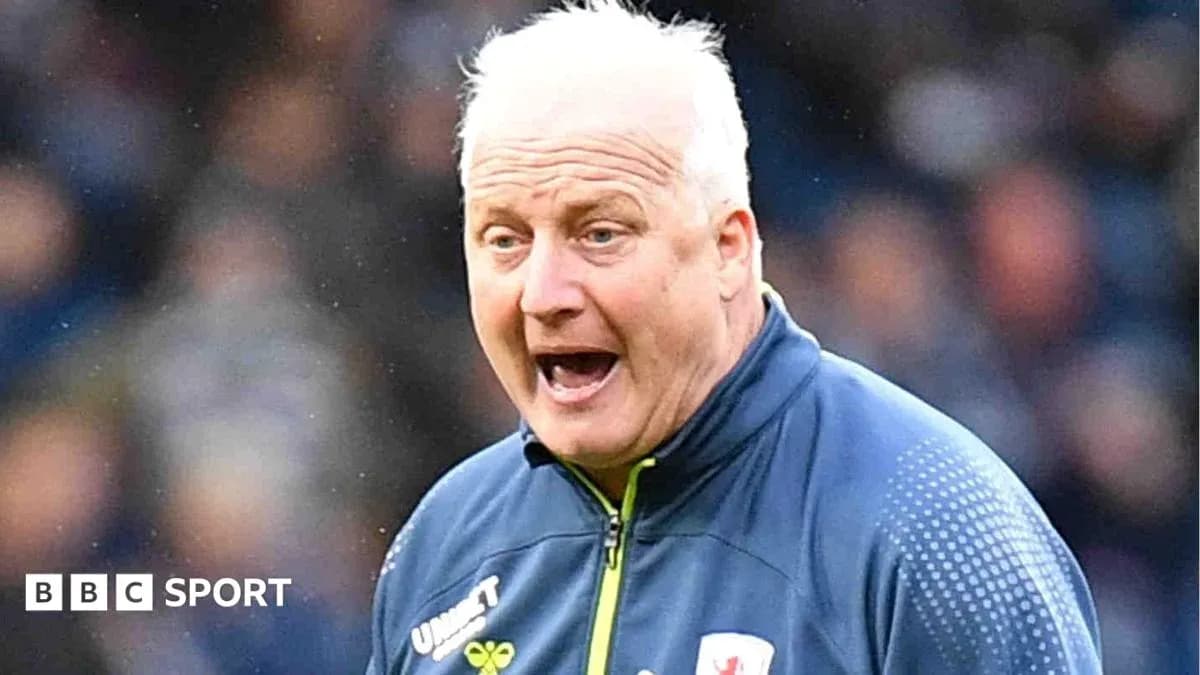
By Friday, the cameras were on Jesus. The coach sat down for his news conference expecting to talk about Denmark, Norway, tactics, form. Instead, every question bent back towards one man who was no longer in the room.
“I found out when we all did,” Jesus said. No dressing it up, no hint of prior talks. “Until then, I knew nothing about it. He was playing, he was scoring goals; he was one of the players on my squad list.”
Ronaldo, in form for Al-Nassr, had cleared a 30-day suspension from international duty and was eligible again. That ban, crucially, had not cost him any matches; Portugal had no fixtures in that spell. He was, on paper, back in the frame.
Jesus made it clear he had intended to use him. The idea of phasing out the country’s greatest player was not, he insisted, part of the immediate plan. Ronaldo’s own decision changed everything.
The fracture between the two men had opened in September. Ronaldo left the Portugal camp after being told he would not start a Nations League match against Denmark scheduled four days later. The reaction was swift and severe: a suspension from international duty and a public debate about discipline, ego and legacy.
Ronaldo later accused Jesus of having “broken his word” but accepted the need for punishment over his early departure. At that point, he stressed he was not retiring from international football. The door, he suggested, would remain open.
Now it has slammed shut.
As reporters circled back to that earlier dispute on Friday, the Portugal coach’s patience thinned. His body language hardened; the answers grew shorter.
“All my decisions were made with the team in mind,” he said, visibly irritated. “As a manager, I have always defended what was best for the team. I am at peace with my decision.”
No olive branch, no attempt to rewrite history. Jesus also admitted he had not contacted Ronaldo since the retirement announcement. The break, for now, looks clean.
Ronaldo’s last act in a Portugal shirt came quietly. He did not play in his final call-up. An unused substitute against Norway on 27 September, he had made his final appearance three days earlier, in a 1-0 win over Wales in Lisbon. No farewell choreography, no late penalty, no staged lap of honour. Just another win, another cap, another night that felt routine at the time.
Only now does the scale of the numbers land with full weight. Ronaldo walks away from the international game with 146 goals in 234 appearances for Portugal – both men’s world records. From his debut in 2003 to Euro triumph in 2016, he dragged his country from hopeful challenger to European champion and perennial contender.
If Jesus chose to keep his distance, the Portuguese Football Federation did not. Its president, Pedro Proenca, stepped forward with words that sounded like the start of a long goodbye.
“No tribute will ever be enough to thank him for everything he has done for Portuguese football, for Portugal,” Proenca said. “The best way to honour and celebrate him is to honour his boundless ambition, to always play to win, to never be afraid of being the best in the world.
“Thank you for everything, captain. This is and always will be your home.”
The federation now faces the task of turning those words into something tangible: a tribute worthy of a player who turned Portugal into a global football reference point.
Jesus, meanwhile, must move on without the figure who has dominated the national team for two decades. The Nations League will be his first competitive step into a post-Ronaldo era he did not expect to begin this week.
For the first time in a generation, Portugal will walk into a major international window with no question about whether Ronaldo starts, comes off the bench, or changes the game late on.
The only question now is how they play when the man who defined them for so long is finally, definitively, gone.