Cricketer Smit Faces Four-Year Ban for Anti-Doping Violations
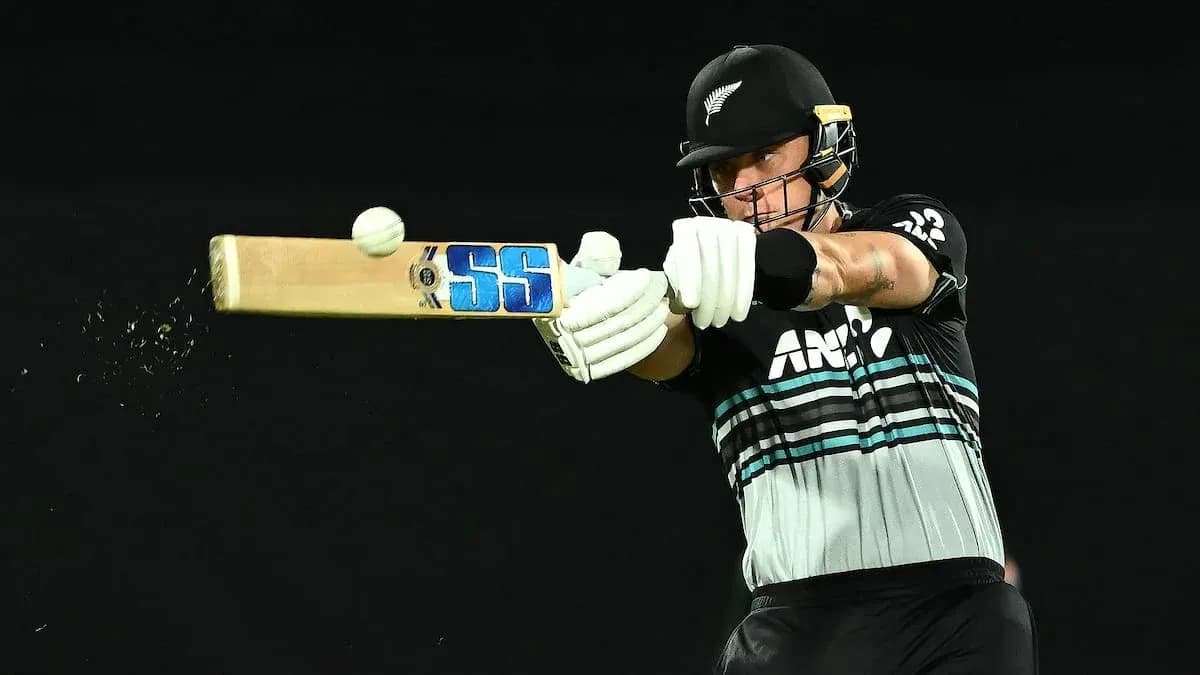
A young cricketer’s bid to bulk up in the gym has ended with a four-year exile from the sport, after a sports tribunal ruled he committed serious anti-doping violations over the possession and attempted use of a banned steroid.
The Sport Integrity Commission found that Smit breached anti-doping rules through his possession of Dianabol and his intention to use it, and confirmed he will be sidelined from all competitive cricket until May 26, 2030.
A schoolboy purchase that came back to bite
Smit told investigators he ordered Dianabol from China in 2022 while he was still at school, saying he wanted to get bigger in the gym and insisting the decision was not linked to cricket performance.
The package did not arrive then. Instead, it surfaced much later.
On December 31, 2025, the parcel was intercepted after what Smit described as a long and unexpected delay. By that point, he was subject to anti-doping regulations.
Smit suggested the delay meant he no longer wanted the substance when it finally turned up. The commission, though, saw no evidence that he had ever tried to cancel the order. No emails. No messages. No bank trail.
The tribunal pressed for more. It asked Smit to produce supporting documents, including communications with the supplier and proof of payment. Smit replied that he had nothing to hand over, saying he paid in bitcoin and no longer had access to the relevant account.
That explanation did not convince the panel.
Tribunal rejects defence, imposes heavy sanction
The sports tribunal ruled that the 2025 delivery constituted a new order, not a relic of his school days. That distinction proved decisive. It meant Smit was bound by anti-doping rules at the time the transaction was made.
From there, the findings were blunt. The tribunal was satisfied that Smit possessed the steroid and intended to use it. Both alleged anti-doping violations were upheld.
The punishment was equally stark. Smit received a four-year ban from cricket, backdated to May 26, 2026, the date of his provisional suspension. He is barred from taking part in competitive sport until May 26, 2030.
For a young player, those are prime years gone.
A warning from integrity chiefs
Sport Integrity Commission Te Kahu Raunui chief executive Rebecca Rolls said the case underlined the risks athletes take when they dabble in banned substances bought online.
“Anti-doping rules apply to and protect athletes at all levels,” she said.
“Buying banned substances online may seem low risk. The reality is that the consequences can be deeply harmful, affecting an athlete’s health, wellbeing, relationships, and their future in the sport they love.”
Smit’s four-year ban now stands as a stark marker: in the modern game, even a supposedly private decision made “for the gym” can end a career before it truly begins.