Claire Liu Dominates Alex Eala to Claim Hong Kong Open Title
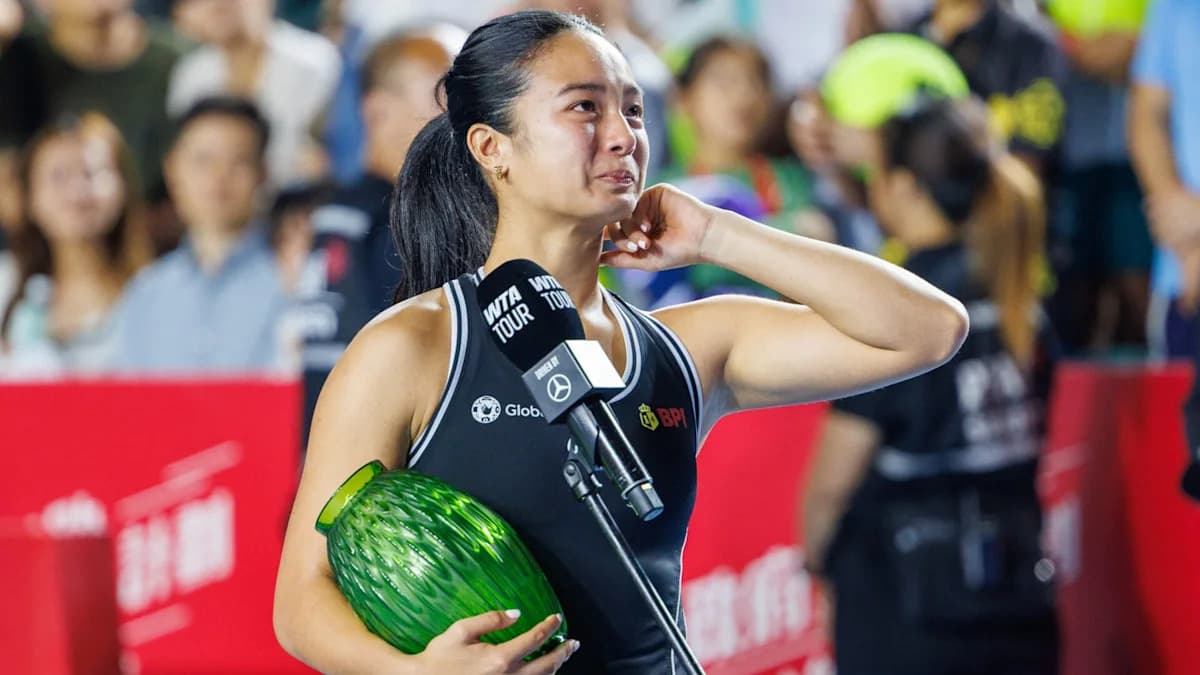
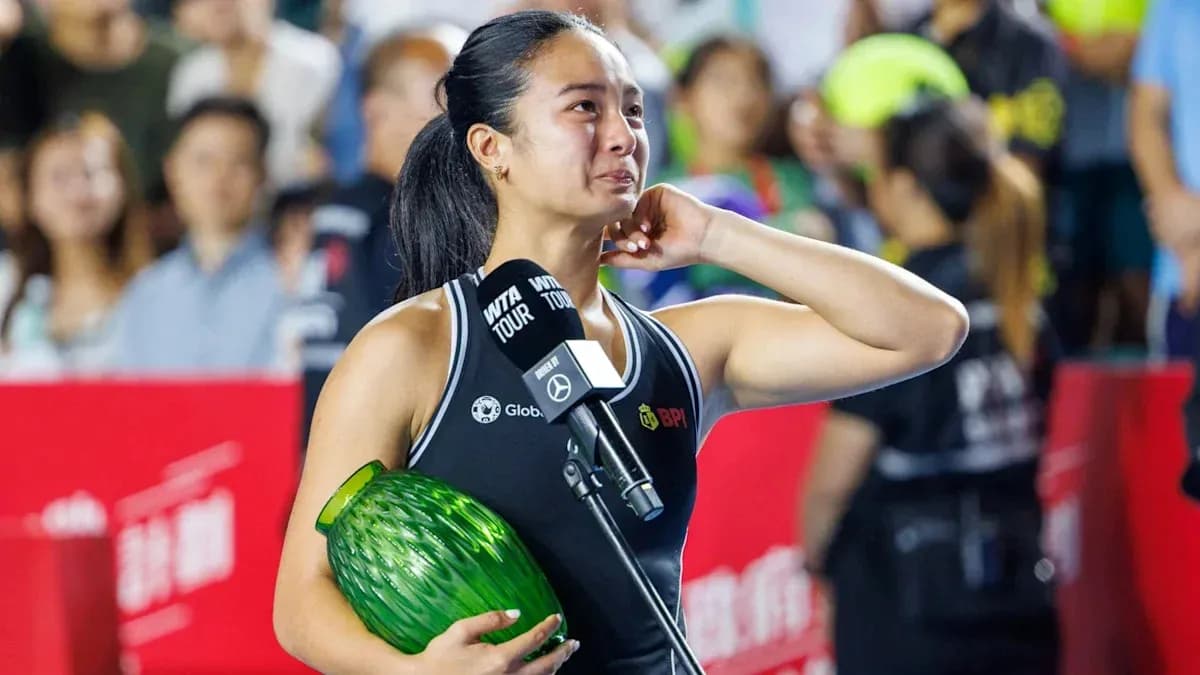
Alex Eala arrived in Sunday’s Hong Kong Open final riding a wave. She left it staring at a scoreboard that felt brutally out of sync with her week.
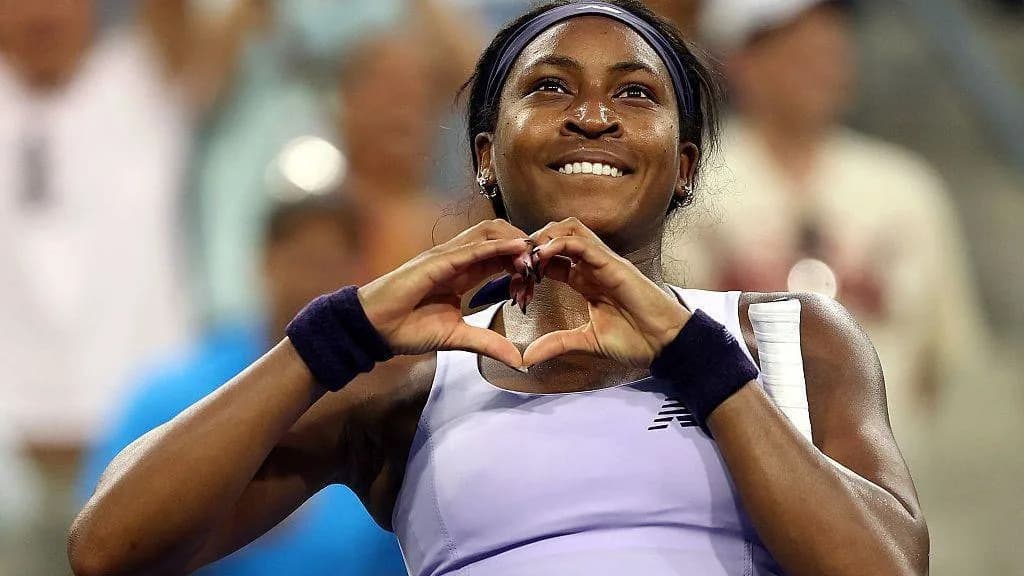
Claire Liu, ranked 102 in the world at the start of the tournament and playing with the freedom of someone with nothing to lose, slammed the door on Eala’s title hopes with a ruthless 6-3, 6-0 victory to claim her second trophy of 2026.
For six games, it looked like a contest. Eala and Liu traded blows, locked at 3-3 in the opening set. The rallies were tight, the margins small. Then the match flipped.
Liu tightened. Eala faded. From 3-3, the American rattled off nine straight games, stripping the final of suspense and turning what had been a poised battle into a one-way surge to the trophy.
By the time Liu sealed the last point, she had not only taken the title but also carved out a significant leap in the rankings. Her run in Hong Kong will push her up 33 spots to world number 69, a jump that underlines how emphatically she seized this opportunity.
Eala, despite the defeat, still leaves with a new career marker. She will rise two places to world number 15, a ranking that reflects the consistency of her 2026 rather than the sting of one bad afternoon.
A step from history
This final was about more than a trophy for Eala. A win would have placed her on a very short, very select list of Asian players to have lifted the Hong Kong Open singles title.
That list remains at three.
The first name on it belongs to Ramesh Krishnan, the elegant Indian shot-maker who broke through in 1986. He toppled two-time defending champion Andres Gomez in straight sets, 7–6, 6–0, 7–5, to become the first Asian player to win the event, a landmark moment for the region’s tennis.
Seven years later, the honour passed to the women’s game. In 1993, Wang Shi-ting of Chinese Taipei battled past American Marianne Witmeyer, 6–4, 3–6, 7–5, to become the first Asian woman to hold the Hong Kong Open singles trophy. It was a gritty, three-set grind that underlined both her resilience and the slow, steady rise of Asian women’s tennis.
Then the wait began. Thirty-three long years without another Asian singles champion in Hong Kong.
That drought finally ended earlier this season, not in the women’s draw but with Alexander Bublik’s victory over former world number five Lorenzo Musetti. Bublik’s 7-6, 6-3 win gave him his ninth career title and propelled him into the world’s top 10.
“The only goal for this season was to achieve the Top 10 and in the first week I have won the title and I am into the Top 10,” he said after that final. “If you had told me that last April I would never have believed you. But it is a pleasure and I hope to continue in the same way.”
Eala had a chance to follow that regional breakthrough with one of her own. Instead, Liu’s precision and aggression postponed that chapter.
Eala’s road to the final
This was not a soft run to Sunday for Eala. She had to work for almost every round.
In the first, she handled Emerson Jones with authority, 6-4, 6-3, setting a steady tone. The second round demanded more nerve: a 6-4, 7-6 win over Tereza Valentova that hinged on key points late in both sets.
The quarter-final against Antonia Ruzic turned into another test of resolve. Eala edged through 7-6, 7-5, showing the kind of late-set clarity that has pushed her into the sport’s upper tier.
Then came the statement win. In the semi-finals she outlasted Maria Sakkari, a former top-10 player and one of the tour’s fiercest competitors, 7-5, 3-6, 6-4. It was the kind of three-set dogfight that usually hardens a player for a final, not empties them.
But by Sunday, the tank looked closer to empty than full.
Once Liu grabbed control at 4-3 in the first set, she never let it go. Her return game bit deeper, her first serve held firm, and Eala’s resistance crumbled. The 6-0 second set told its own story: a young star who had spent all week pushing through tight matches finally ran into an opponent who gave her no air at all.
What it means
For Liu, this title and the jump to number 69 signal a clear re-entry into the conversation on tour. She didn’t just win; she dismantled one of the form players of the season in a final, under pressure, in straight sets.
For Eala, Hong Kong offers a more complicated picture. The ranking bump to 15 confirms her trajectory. Her wins over Jones, Valentova, Ruzic and especially Sakkari show she can grind through a demanding draw and still find answers late in matches.
But the final also exposes the next step. To join names like Krishnan, Wang, and now Bublik in the Hong Kong Open’s Asian honour roll, she will need not only the game and the grit she showed all week, but the extra layer of composure that deserted her once Liu seized momentum.
The question now is simple, and it will follow her into the next tournament: was this a ceiling, or just a harsh lesson on the way to the kind of title that rewrites history rather than brushes up against it?