Charlotte Hornets' Bold Rebuild: A New Era Begins
The Charlotte Hornets didn’t just pivot this summer. They slammed the wheel.
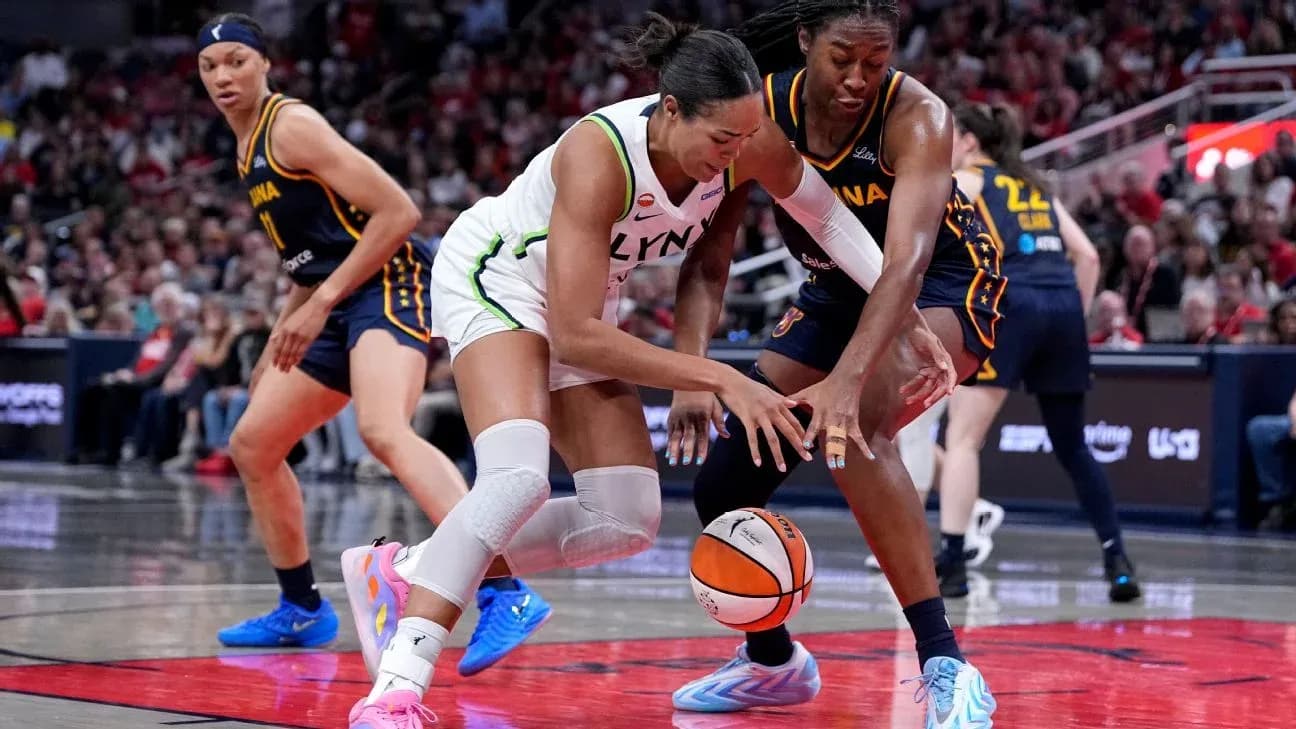
LaMelo Ball, the face of the franchise, the engine of last season’s best five-man lineup, is gone — shipped to the Minnesota Timberwolves in a blockbuster that sent back Naz Reid, an unprotected 2033 first-round pick, three second-rounders and three first-round pick swaps. Miles Bridges is out the door too. For a team that just enjoyed its best season in a decade, it’s an audacious reset.
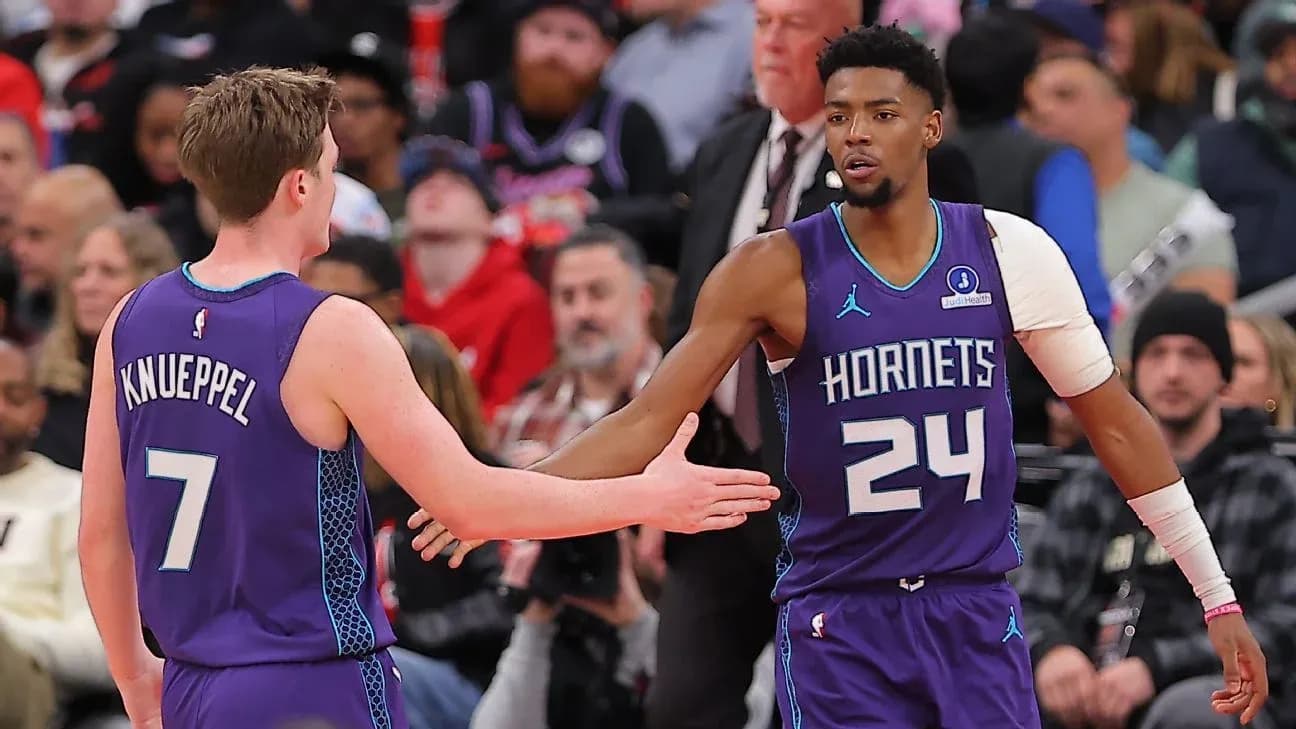
This is now Brandon Miller and Kon Knueppel’s team. Full stop.
A contender’s gamble, without the contender résumé
Most organizations coming off 44 wins, a top-five offense and a post-All-Star surge to second in offensive efficiency and net rating would double down. Charlotte looked at that same résumé and decided it wasn’t good enough.
The front office’s verdict on Ball was ruthless and clear: exciting, productive, but not the player to carry a title run. Six years, no playoff appearances, a max rookie extension, and persistent questions about his shot selection, defense and durability. The Hornets chose not to be seduced by the highlights.
So they went “Moneyball.”
Ball and Bridges were moved in separate deals that prioritized draft capital and financial flexibility. The result: Charlotte is now the only team in the league without a single player slated to earn at least $25 million next season. Cap sheets don’t sell jerseys, but they do tell you where a franchise thinks it’s headed.
Hornets president Jeff Peterson framed it bluntly: the goal isn’t to sneak into a play-in or scrape one playoff berth. For a team that hasn’t seen the postseason since 2016, that’s a bold standard. It’s also a dangerous one. The Hornets just dismantled the best thing they’ve had in a decade on the belief that something better is possible.
A new core, and a very different identity
The message of the offseason is written all over the roster.
- Key additions: Naz Reid, Grayson Allen, Dennis Schroder, Royce O’Neale, Dorian Finney-Smith.
- Key retention: Coby White on a three-year, $74 million deal.
- Key subtractions: LaMelo Ball, Miles Bridges, Josh Green, Tre Mann.
Out go the star guard and the high-usage forward. In come shooters, role-playing wings, and a versatile big in Reid. The Hornets have doubled down on depth, spacing and optionality, betting that a wider base can support their new young pillars.
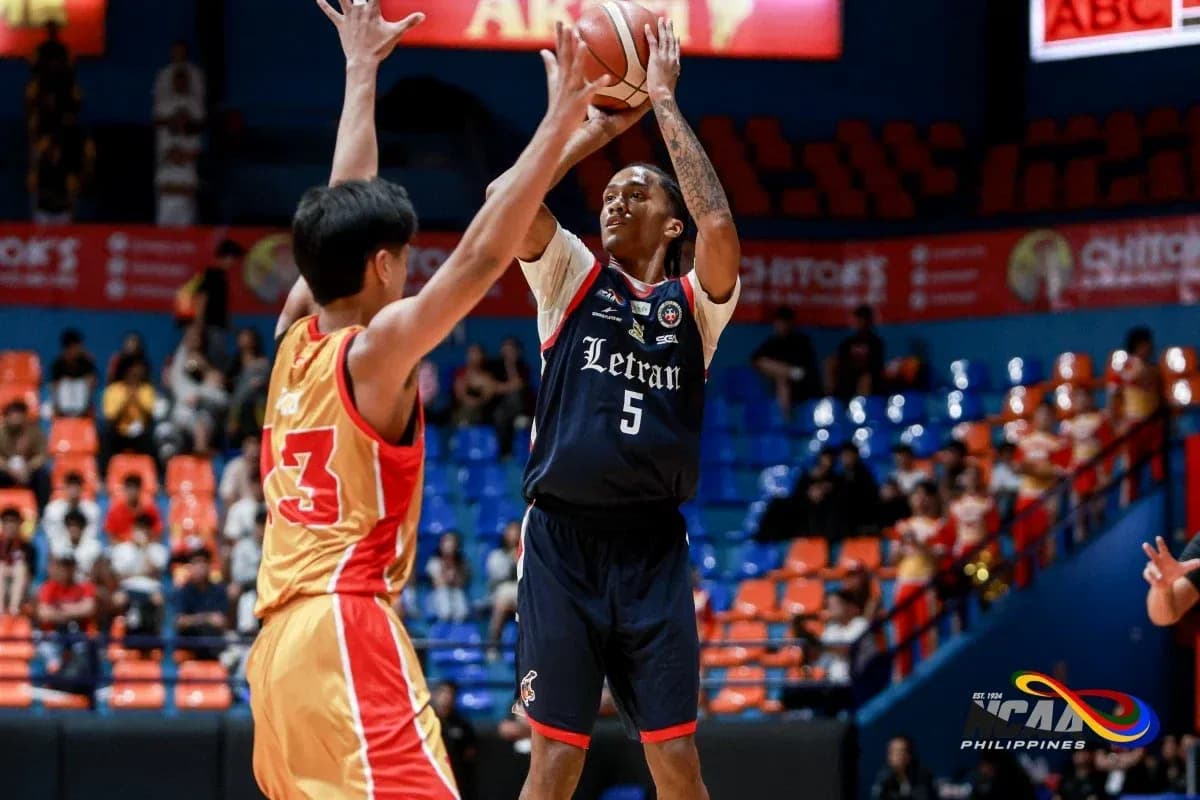
Miller and Knueppel now sit at the center of everything. Both are high lottery picks with All-Star ceilings. Both can stretch the floor and create. They’ll be flanked by White, who steps into Ball’s vacated lead-guard role, and Schroder, the veteran organizer who can steady possessions and set the table.
The identity is already forming: a barrage from the perimeter. Miller, Knueppel, White and Allen each averaged more than six 3-point attempts last season. Under coach Charles Lee, Charlotte is poised to fire away again, with the ball pinging from side to side rather than orbiting around a single star.
They probably won’t be as good immediately. Ball’s playmaking, his 20.1 points and 7.1 assists on a 32.0 usage rate, powered much of last year’s surge. You don’t replace that with one player. You try to smother the loss with numbers, with layers, with shooting.
That’s the bet.
Who scores now?
Strip away the theory and one question hangs over the season: who actually carries the scoring load?
The answer, at least early, has to be collective. Miller should see his usage climb as a primary option. Knueppel will be pushed into more on-ball work. White, fresh off re-signing, has already shown in Chicago he can live near 20 points per night with volume threes and secondary playmaking. He now has the keys in Charlotte.
Behind them, Allen and Schroder fill in the gaps. Allen brings movement shooting and nasty streaks of microwave scoring. Schroder can still get downhill, manipulate pick-and-rolls and manufacture late-clock looks.
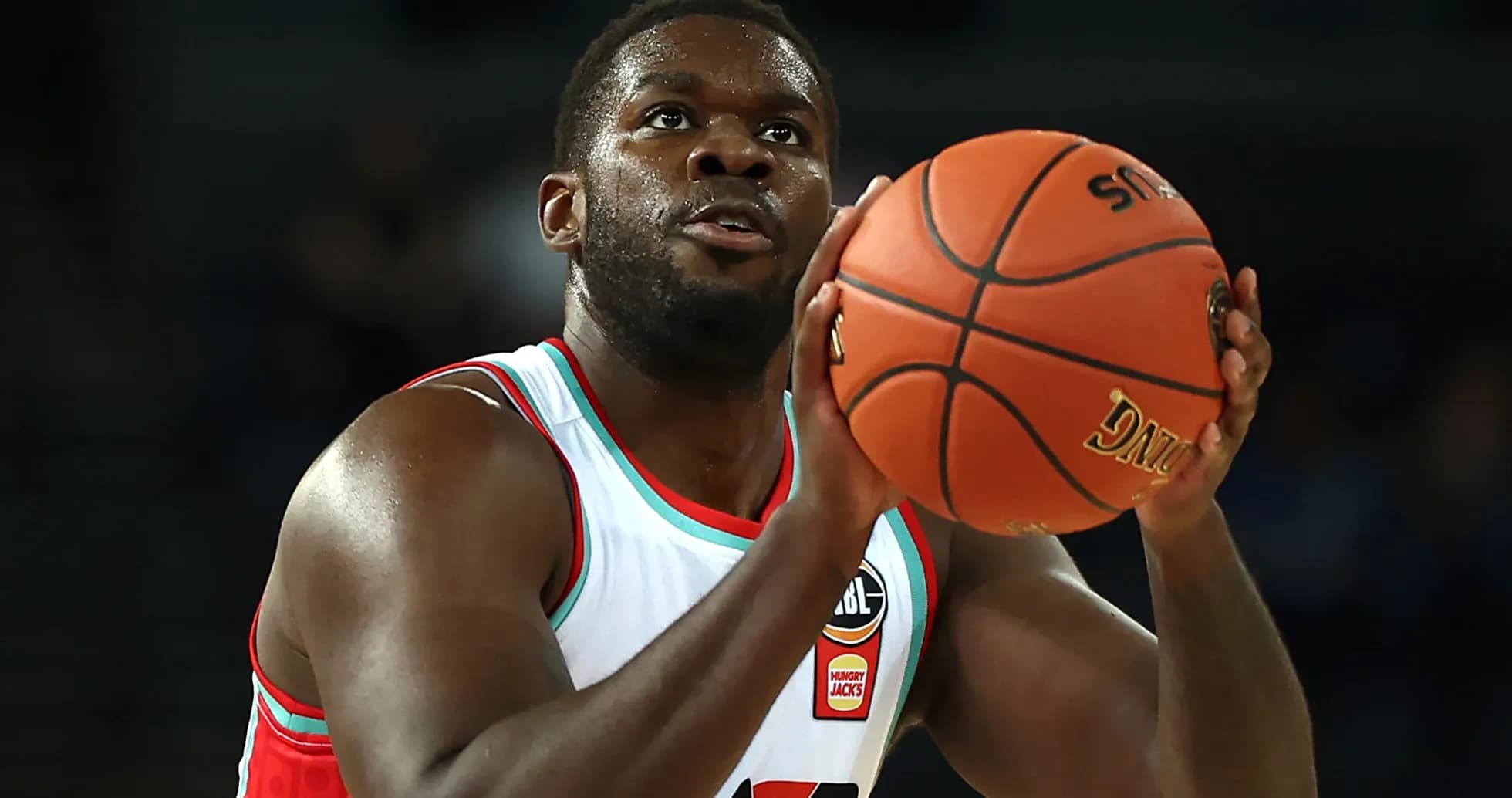
Naz Reid, meanwhile, is the wild card. A former Sixth Man of the Year, he arrives from Minnesota with the chance to be a full-time starter for the first time. His inside-out scoring, touch from deep and ability to attack slower bigs give Charlotte a different dimension in the frontcourt. For fantasy players, he and White both profile as prime breakout candidates in expanded roles.
The Hornets don’t have a single offensive superstar anymore. What they do have is a cluster of players capable of giving you 18 to 22 points on any given night. If Lee can choreograph that properly, the scoring slack can be spread rather than shouldered.
The big-man puzzle
If the backcourt and wings define the style, the center rotation might define the season.
Hannes Steinbach, Moussa Diabate and Ryan Kalkbrenner form one of the league’s more intriguing young big trios. Each brings something distinct.
Steinbach, this year’s lottery pick, attacks the glass and carves out space. Diabate injects energy, runs the floor and was a key cog in last season’s elite starting lineup. Kalkbrenner, massive and efficient, looked ready-made for an NBA role before injuries stalled his rookie campaign.
Now add Reid to that mix.
Lee has 48 quality minutes at center every night. The challenge is whether he can unlock combinations — two-big lineups that hold up defensively and keep the floor spaced enough for all those shooters. Get that right, and Charlotte’s depth becomes a weapon. Get it wrong, and rotation friction could undercut the development of everyone involved.
Either way, this frontcourt will not be dull.
The numbers, and the nerves
From the outside, the analytics community has responded with cautious respect. The Hornets earned an A- offseason grade from Zach Kram for their willingness to sacrifice short-term wins for long-term upside, building one of the league’s deepest draft-pick war chests and centering their future on Miller and Knueppel.
The projections are less romantic. Post-free agency, Charlotte slots in 21st in Power Rankings, with a Basketball Power Index rank of 20. Strip the names off the roster and the reaction, as Dean Oliver put it, would be uneasy: a core of Knueppel, Miller, White, Moussa Diabate, Grayson Allen doesn’t scream contender. Especially when the “best starting lineup in the league” was just broken apart.
That tension defines this season. The Hornets have chosen ambition over comfort, volatility over continuity. They might tumble back into the lottery. They might discover that Miller and Knueppel are exactly the kind of wing tandem modern contenders are built around.
Somewhere in Minnesota, Ball is likely heading for his first playoff run alongside Anthony Edwards. In Charlotte, a new chapter begins with more questions than answers — but with a ceiling the franchise clearly believes is higher than anything the last era could reach.
In 2027, in 2030, when the draft picks convey and the young core either blossoms or stalls, one franchise will feel vindicated. The other will be left wondering why it blinked.
Which side of that split will the Hornets be on?