Cannabis Distraction at US Open: Aryna Sabalenka's Focused Victory
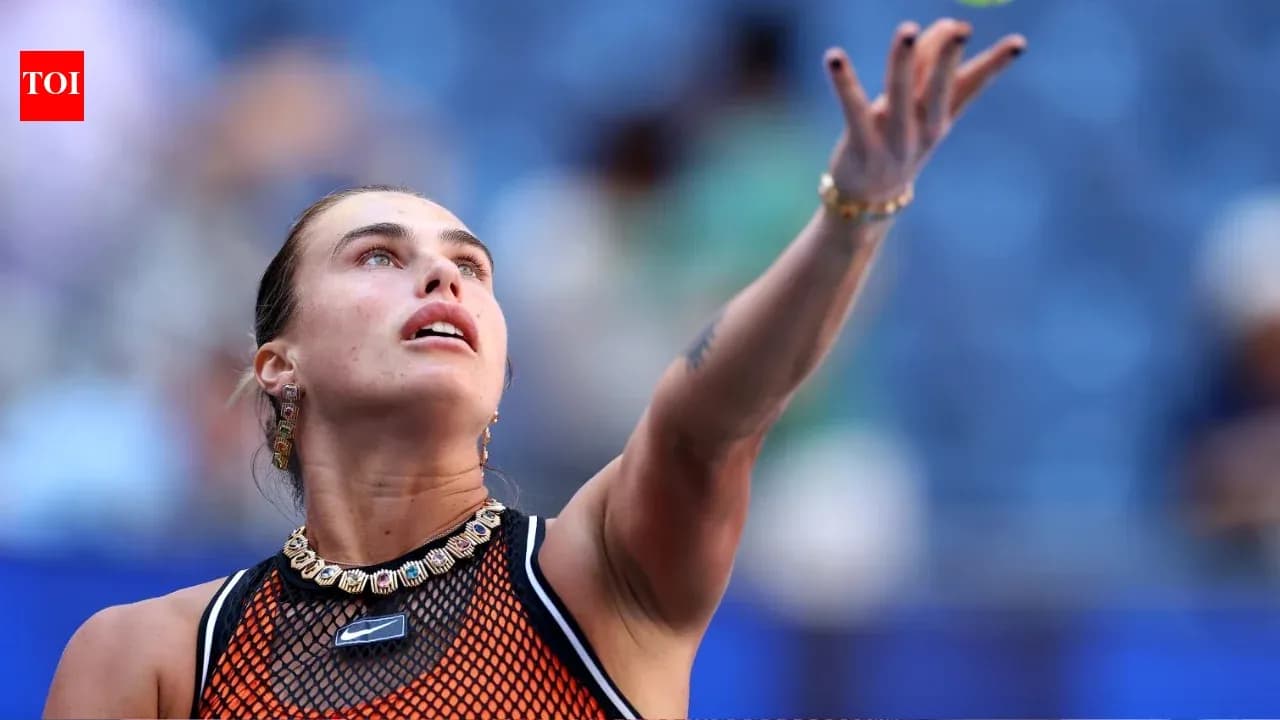
Aryna Sabalenka wrinkles her nose, steps back from the baseline and looks up at the chair.
Louis Armstrong Stadium falls into that strange, uneasy hush tennis knows so well. Not for a medical timeout. Not for a hawk-eye check. For the smell of cannabis drifting across a Grand Slam court.
“Someone is smoking weed. Would you mind to… because it’s so strong,” the world No. 1 tells chair umpire Eva Asderaki-Moore, gesturing toward the stands.
It is 3-0 in the opening set of her US Open third-round match against Kamilla Rakhimova. Sabalenka has raced out of the blocks, dictating rallies, pounding serves, looking every inch the defending champion. Then the odour hits.
Asderaki-Moore immediately radios tournament officials and makes a clear smoking gesture toward staff. Within moments, members of the US Open team start moving through the stands, trying to track down the source. The delay is brief, but the scene is jarring: a top seed, in full control of a major, forced to pause not by an opponent’s surge but by a smell.
Once the officials fan out, Sabalenka turns back to her job. No drama. No lingering discussion. She resets, tosses the ball, and the rhythm returns.
She never really lets Rakhimova in. The Belarusian closes out a 6-3, 6-4 win, another straight-sets victory, and marches into the fourth round without dropping a set in her title defence. The scoreboard will show a routine result. The night felt anything but.
A recurring haze over Flushing Meadows
This wasn’t an isolated moment of irritation. The cannabis smell has become a recurring subplot at this year’s US Open.
The Billie Jean King National Tennis Center sits right next to Flushing Meadows-Corona Park, where recreational cannabis use is legal for adults 21 and over in New York. That legality stops at the gates. The US Open grounds are officially smoke-free, no exceptions. Yet the breeze does not recognise perimeter fencing.
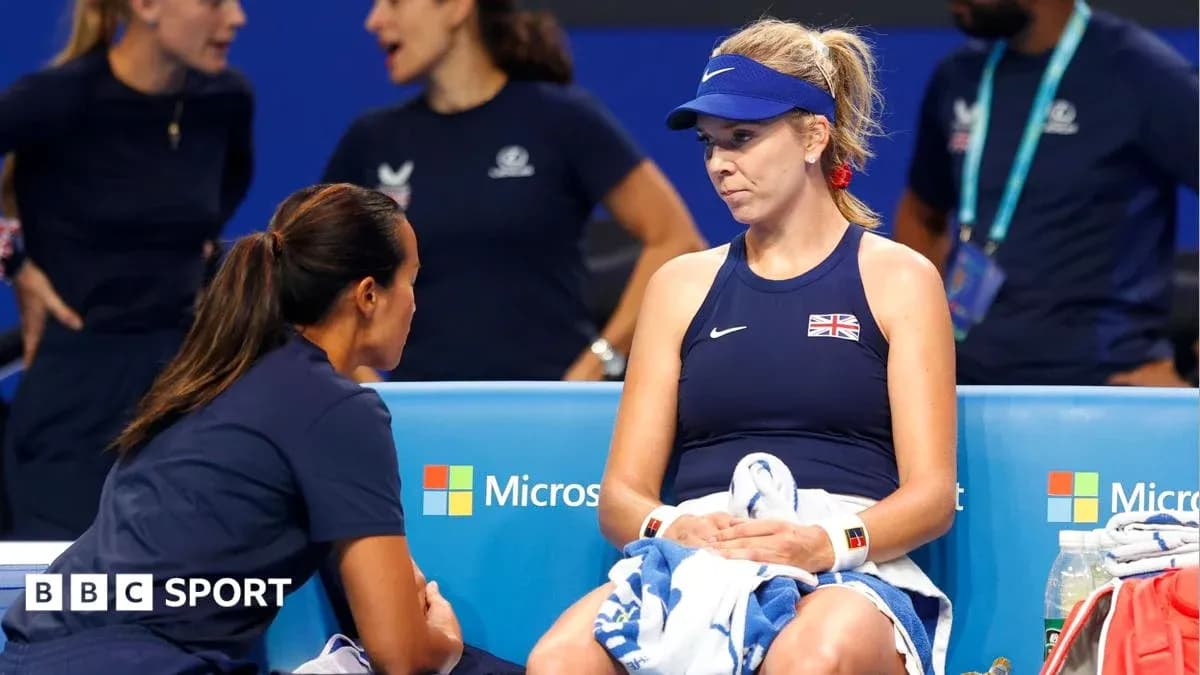
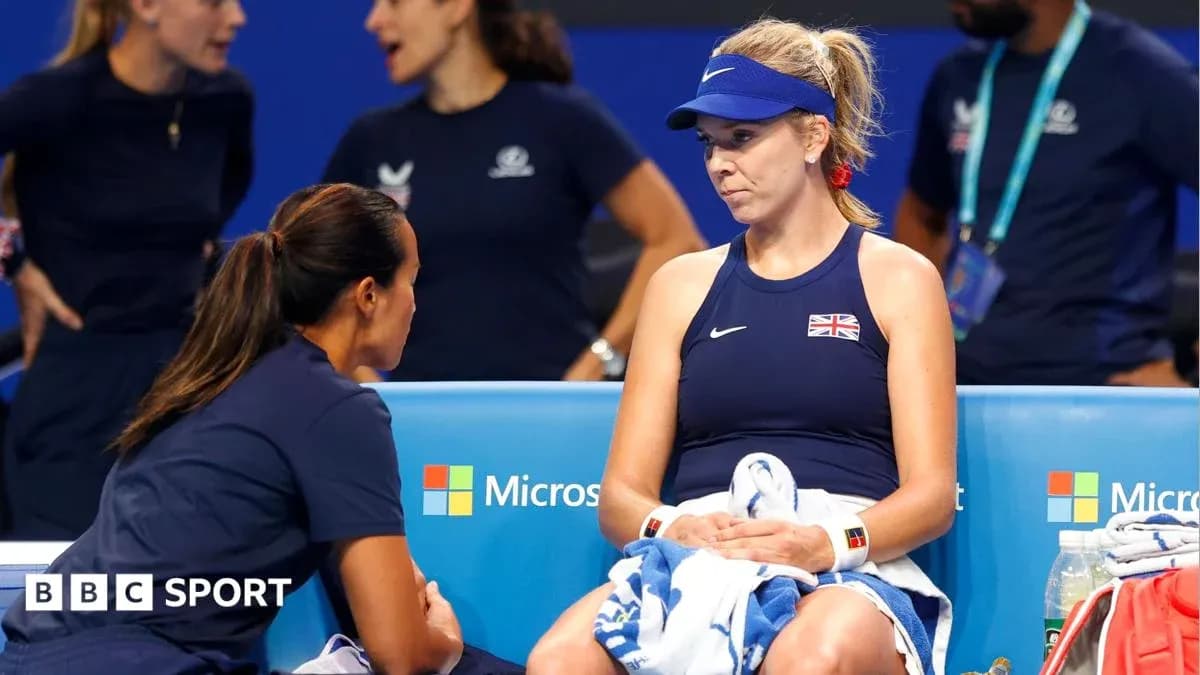
The scent drifting over from the park has turned into a regular distraction, particularly on the outer courts. British player Katie Boulter spoke openly about it earlier in the tournament, singling out certain areas.
“I have experienced it,” Boulter said. “You got down to the practice courts and down in the park courts, you do smell it a lot.
“I’m not a huge fan of it. I know a lot of players have complained on specific courts. I’ve played on (Court 17) before and I did smell it during my match. It’s something that I wouldn’t like to smell in the middle of my match.”
Those comments echoed what many have quietly muttered around the grounds. On some courts, at certain times of day, the smell hangs in the air just long enough to become part of the match narrative.
The USTA, under pressure to respond, drew a firm line in its statement: it cannot control what happens in the public park, but it will “continue to be vigilant” in keeping the National Tennis Center a smoke-free environment. On Friday night, that vigilance played out in real time as staff combed through the Louis Armstrong stands while the world No. 1 waited on the baseline.
Focus intact, title charge alive
If the episode bothered Sabalenka, it never showed in the scoreline. She kept her foot on the accelerator, using her power to keep Rakhimova pinned behind the baseline and under constant pressure.
The interruption did not derail her rhythm, did not open a door for the underdog, did not turn into one of those awkward momentum swings that can flip a best-of-three match in a handful of games. Sabalenka’s composure held.
When the final point landed, the defending champion walked off with exactly what she came for: a straight-sets win, a place in the last 16, and her title defence still running on rails.
The smell will linger as a talking point. The tennis, for Sabalenka, remains the only thing that truly matters.