Canelo Alvarez Reclaims World Title in Riyadh Fight
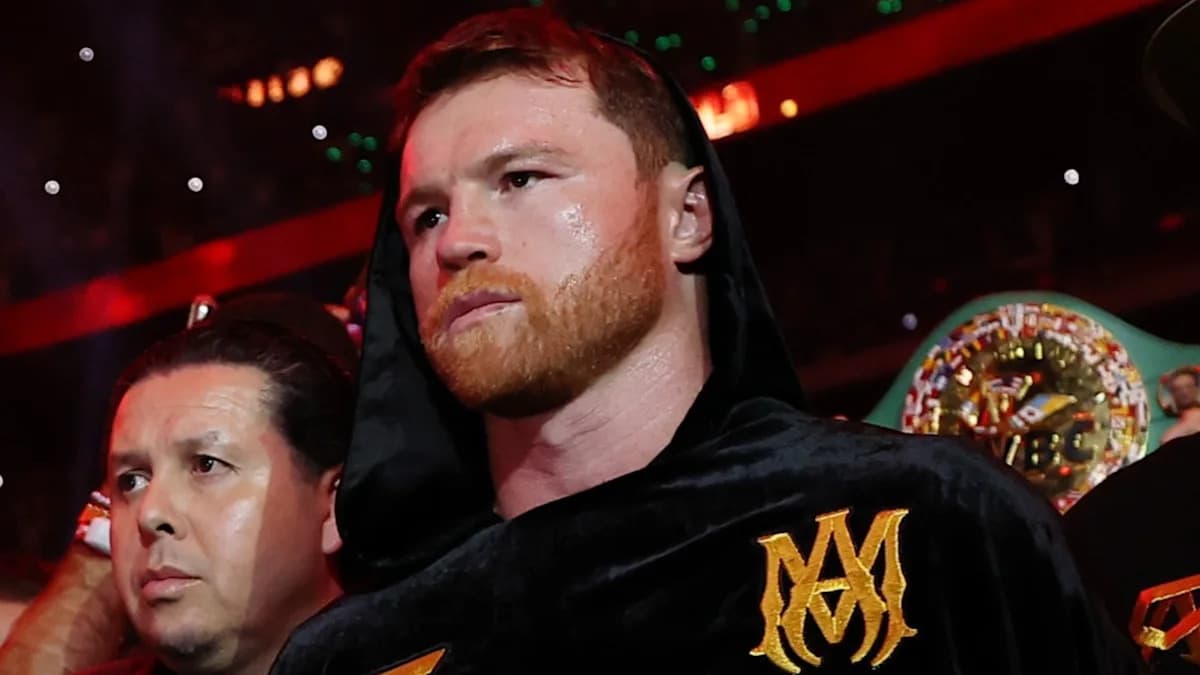
RIYADH – Twenty-one years into a career of brutal nights and vast paydays, Saul “Canelo” Alvarez walked into the ring in Saudi Arabia looking less like a man in need of anything and more like one still searching for something.
Not money. Not fame. A feeling.
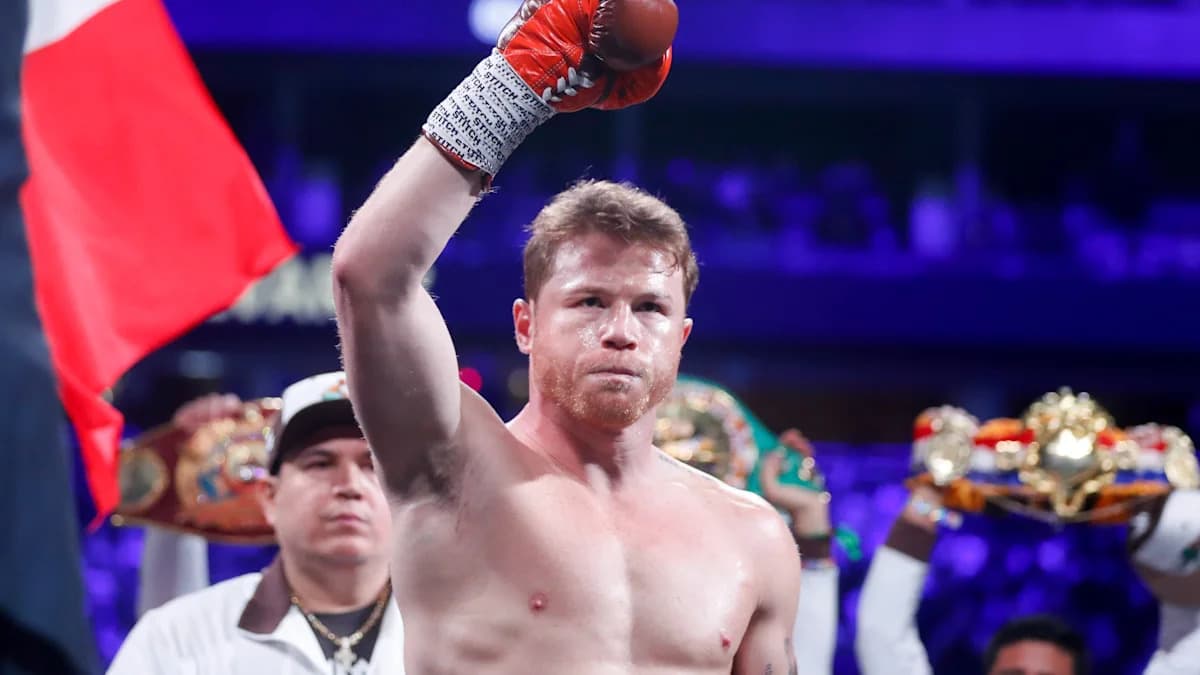
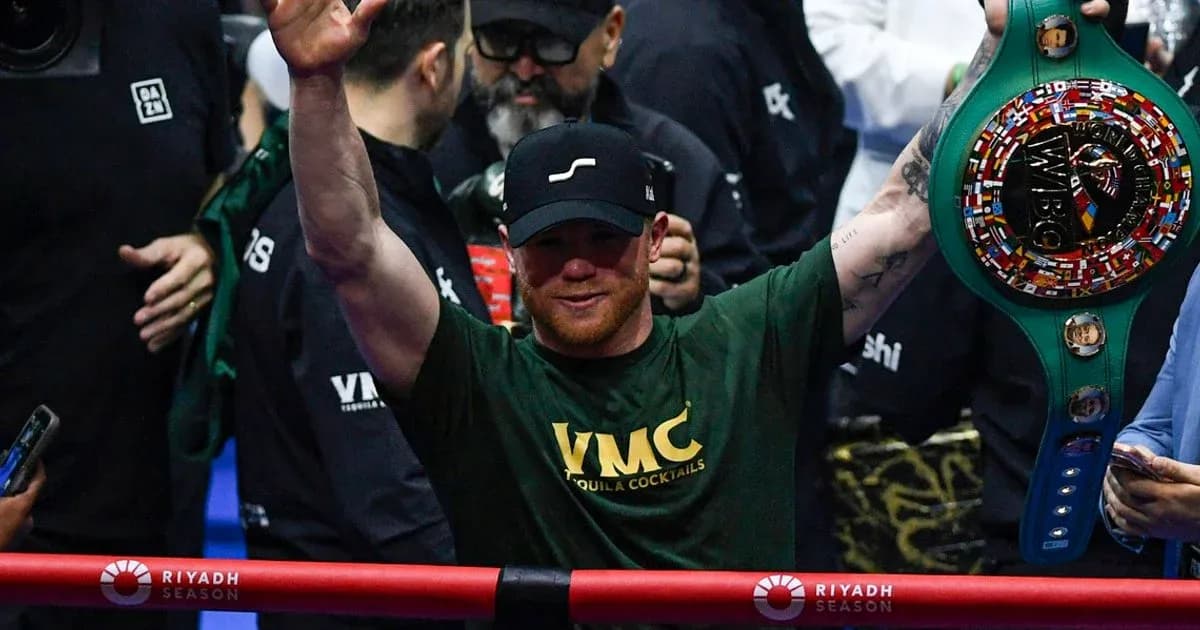
On Oct 31 in Riyadh, inside a 25-square-metre ring and against a younger, relentless Christian Mbilli, he found it again – the weight of a world title belt on his shoulder and the confirmation that, at 36, he still belongs among boxing’s elite.
All this in a city on edge. In the days before the fight, a Saudi-led coalition announced it had intercepted missiles and drones fired by Iran-aligned Houthi forces toward the capital. Security fears wiped events off the calendar, including the high-profile Six Kings Slam tennis exhibition. Boxing stayed on. So did Canelo.
Old champion, familiar edge
Returning after more than a year out, Alvarez did not reinvent himself. He did not need to.
He leaned on the habits that built his legacy: sharp counter-punching, cold-eyed timing, and those thudding, accurate body shots that drain ambition as much as energy. Mbilli came with volume and aggression; Canelo answered with clarity and precision.
The judges saw it the same way. They scored it 115-112, 116-111 and 117-110, all for Alvarez, handing him the unanimous decision and a world title he once called his own.
“It’s something unbelievable. It feels like my first title,” Alvarez said afterwards, the emotion clear despite the familiar scene. “Now, after 21 years as a professional, 16 years ago I won my first title. Now I won that title again. I’m so proud of my team.
“I love boxing. That’s why I'm here, because I still love boxing and I enjoy it a lot.”
The numbers on his record now read 64 wins, three defeats and two draws. The hunger still looks like it did when that first title came 16 years ago.
Mbilli’s pressure, Canelo’s answers
Mbilli, 31, arrived unbeaten, his ledger showing 29 wins and one draw and a reputation for relentless pressure. Elevated to full WBC champion after Terence Crawford vacated the division, the Cameroon-born Frenchman had bulldozed his way through opponents, his engine and work-rate his calling cards.
He tried the same approach here. He marched forward, threw in clusters, and tried to suffocate Alvarez with activity.
The Mexican refused to be rushed.
He picked his spots, slid off the line, and dug to the body. When Mbilli opened up, Canelo threaded clean counters through the gaps. The difference in accuracy grew as the rounds ticked by.
The pressure finally met resistance in the seventh. Alvarez uncorked a sharp uppercut that snapped Mbilli’s head back and left him staggering, a sudden, vivid reminder of the Mexican’s residual power at the elite level. Mbilli recovered and kept coming, but the tone had changed. Every surge met a measured response. Every risk drew a price.
Climbing back from Crawford
This win did more than add another belt to Alvarez’s collection. It closed a painful chapter.
In September 2025, Terence Crawford had outboxed him over 12 rounds, a unanimous decision that stripped Canelo of his undisputed super-middleweight crown and all four major titles in the division. It was only the third defeat of Alvarez’s professional career, but it carried a different weight. It ended his reign at the top of 168lbs and prompted questions about decline, mileage and the toll of two decades in the sport.
Mbilli, on that same night, had been part of the undercard, grinding out a split draw with Lester Martinez and seeing his perfect run of 29 straight wins halted, even as his status in the division rose. When Crawford exited the weight class, the WBC moved Mbilli from interim champion to full titleholder, setting the stage for this meeting with Alvarez.
That context hung over Riyadh. Was Canelo still that man? Could Mbilli confirm the changing of the guard?
On the cards and in the ring, Alvarez answered. He did not dominate every minute, but he controlled the moments that mattered. He took Mbilli’s unbeaten record, handed him the first loss of his professional career, and reclaimed a world title he once unified with an iron grip.
In a city that had spent the week staring at the sky, waiting for threats to be intercepted, one of boxing’s most familiar figures walked through the tension, stepped into the lights, and showed he still finds his peace in the chaos of a fight.
The belt is back on his shoulder. The question now is simple: after 21 years as a professional, how much more does Canelo Alvarez still want to take from this sport – and how much more is he willing to give it?