Canelo Alvarez Reclaims WBC Crown in Riyadh
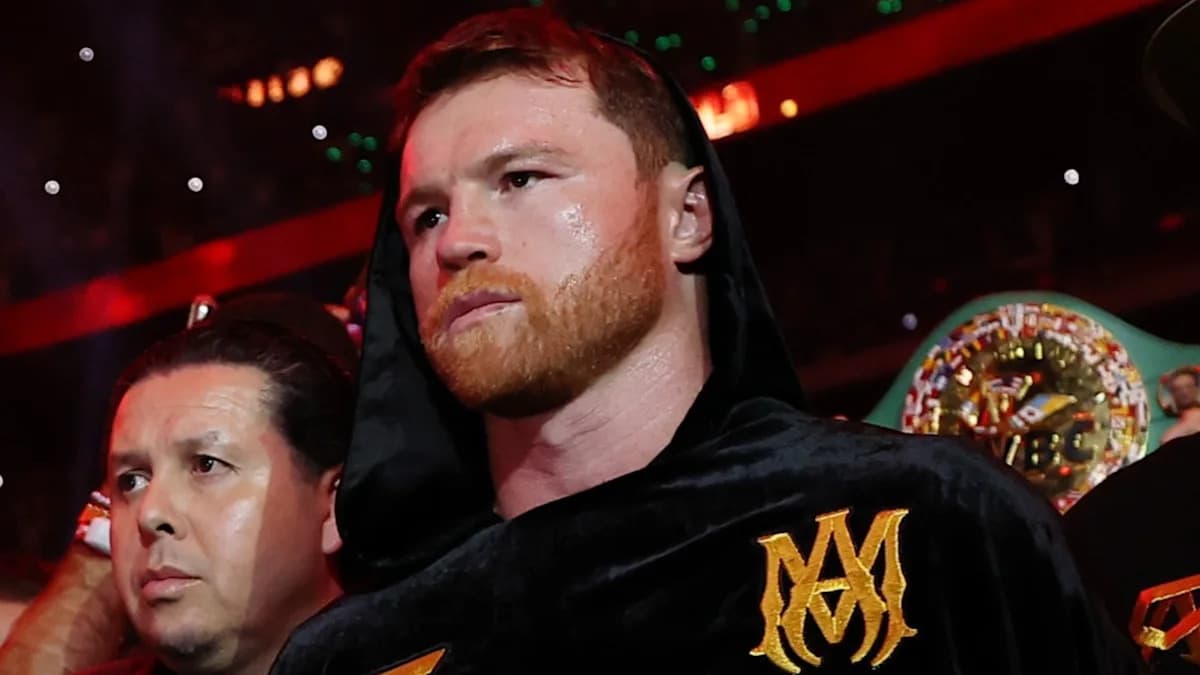
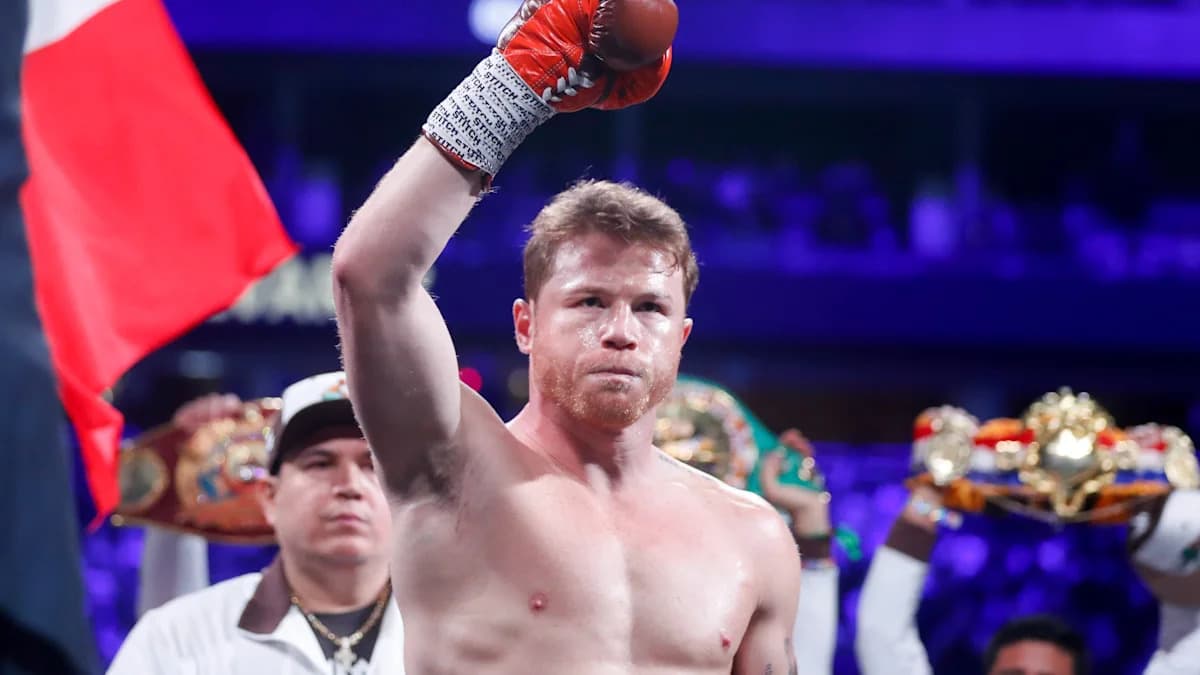
Saul “Canelo” Alvarez walked into a storm in Riyadh and walked out a world champion again.
Four-weight king. Thirty-six years old. Sixty-ninth professional fight. No belt around his waist for the first time since 2015. Questions everywhere.
By the final bell, most of them had been answered.
Vintage Canelo, new chapter
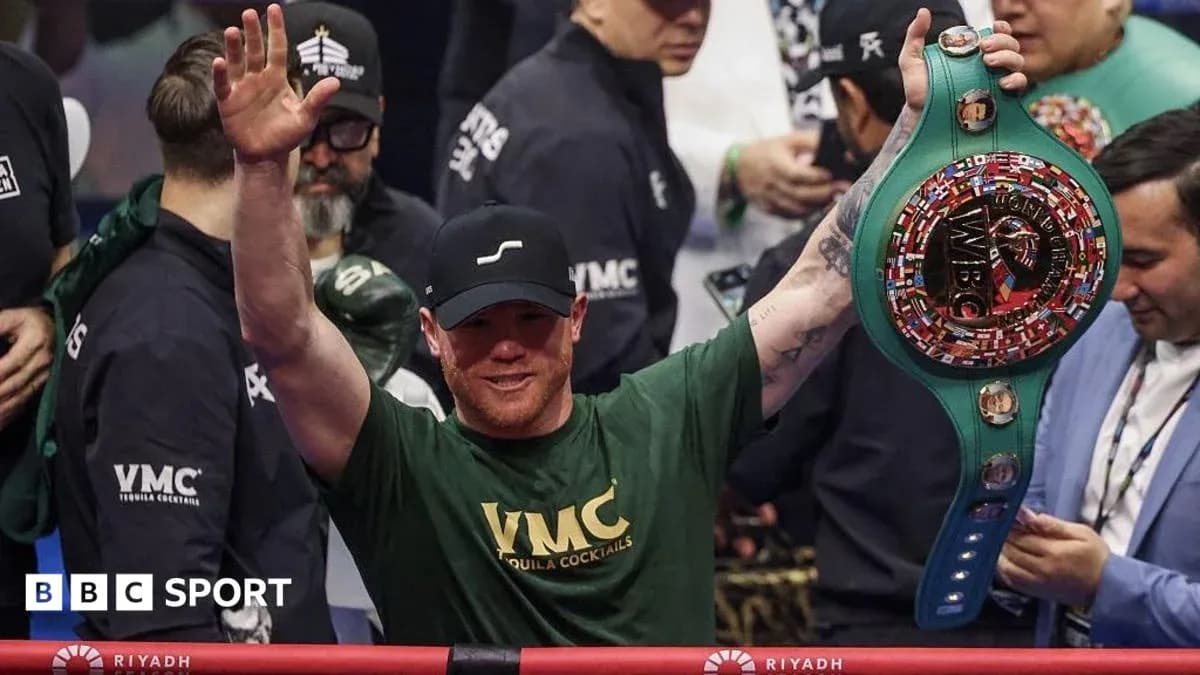
Just over a year removed from losing his titles to Terence Crawford, the Mexican great reclaimed the WBC super-middleweight belt with a measured, authoritative points win over Christian Mbilli, taking it 115–112, 116–111, 117–110 on the cards.
It was victory number 64 of a career already etched into boxing history. For Mbilli, unbeaten in 31 going in, it was his first taste of defeat – and a harsh education at the very top level.
Alvarez called it “unbelievable,” likening the feeling to his first world title. Sixteen years have passed since that breakthrough. The reaction in Riyadh suggested the fire still burns just as hot.
Pressure meets poise
Mbilli, Cameroon-born and Canada-based, came to the ring as the newly elevated WBC champion making his first defence. He fought like a man intent on proving he truly belonged with the elite.
He started fast. He crowded Alvarez, drove him to the ropes, let his hands go in busy bursts. On the surface, it looked like exactly the sort of pace and pressure that might expose an ageing star with more miles than most on the clock.
Canelo’s response? A shake of the head. A slight smirk. A subtle roll of the shoulders.
He invited Mbilli in again.
The challenger was throwing more. The champion-in-waiting was landing better. Alvarez’s defence, that familiar blend of upper-body movement and tight guard, turned Mbilli’s volume into noise without damage. When the Mexican did fire back, the difference in weight behind the shots was obvious.
The uppercut and the turning tide
By round six, the pattern had settled. Mbilli still marched forward, but the clean, telling work came from Alvarez. Two thudding right uppercuts crashed through in that session, the kind of punches that stop a charge dead and plant doubt in a fighter’s mind.
They didn’t break Mbilli’s spirit, but they did shift the dynamic.
The middle rounds belonged to Canelo. He picked his moments, countered sharply, and punished every technical mistake. Mbilli kept the engine running, yet his attacks grew more predictable, his success more sporadic.
Then came another setback for the defending champion: a point deduction for blows to the back of the head. Against a fighter of Alvarez’s experience, that sort of penalty is more than a mark on a scorecard. It’s a psychological dent, a reminder that the night is slipping away.
From there, Alvarez controlled the distance and the tempo. Mbilli still pressed, still tried to force something dramatic, but the menace had faded. He was brave. He was committed. He was outclassed.
Calm in a conflicted city
All of this played out in a city on edge.
The fight went ahead under the shadow of escalating conflict between Saudi Arabia and Yemen’s Houthi movement. In the days before the bout, Saudi authorities reported intercepting ballistic missiles over Riyadh. A missile strike on King Khalid International Airport earlier in October had killed 13 people and injured more than 300.
Several major sporting events in the country – including The Six Kings Slam tennis exhibition, the final round of the 2026 World Rally Championship and the 2026 Urban Cycling World Championships – had already been cancelled.
Combat sports carried on.
Inside the arena, the noise, the lights and the theatre of a Canelo title fight tried to drown out the tension beyond its walls. For 12 rounds, Alvarez and Mbilli delivered a contest that demanded full attention, even as the wider backdrop refused to be ignored.
No decline, not yet
In the build-up, the whispers around Alvarez had grown louder. Had Crawford exposed a decline? Had time and punishment finally caught up with him? Was this the night the aura faded for good?
His performance did not erase the years, but it did reassert his place.
The defence was sharp. The timing, especially on the counters, was crisp. When Mbilli finally landed a couple of stinging right hands in the closing stages, Alvarez absorbed them, reset, and closed the show on his own terms.
There was no wild celebration at the final bell. Just a man who has done this many times before, reclaiming something he clearly still believes is his.
He spoke of pride, of the long road from his first title to this one. Then he spoke like a fighter who has no intention of drifting into semi-retirement.
“I’m going to rest. I’m going to keep learning. I’m going to keep working hard,” he said, outlining only a brief break before returning to the gym.
The name of the next opponent stayed unspoken. The message, though, was clear enough.
Canelo Alvarez is a world champion again. And he is not done yet.