Canelo Alvarez vs Christian Mbilli: WBC Title Fight Amid Security Concerns
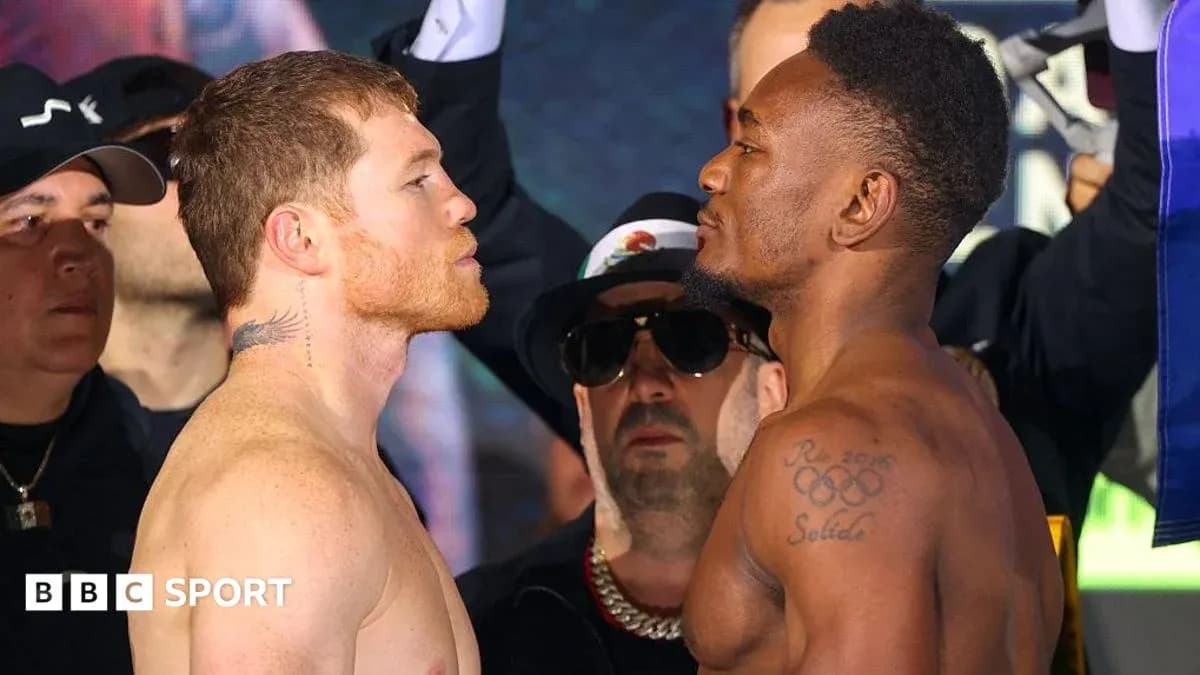
Christian Mbilli and Saul “Canelo” Alvarez made weight in Riyadh on Friday, stepping onto the scales in a city still on edge after two ballistic missiles were intercepted over the Saudi capital just a day earlier.
Both men came in at 12st (76kg) for Saturday’s WBC super-middleweight title fight, a meeting of a newly crowned champion and one of the modern era’s defining names, staged against a backdrop of real-world jeopardy far beyond the ropes.
Canelo chasing history, Mbilli defending a breakthrough
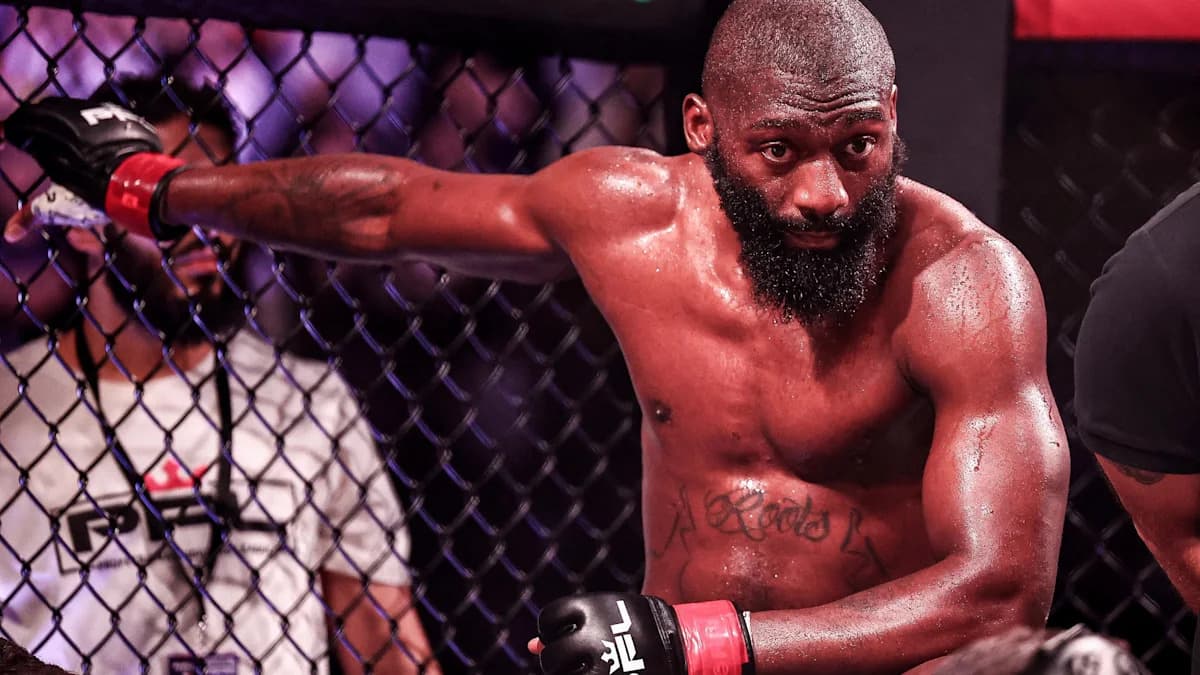
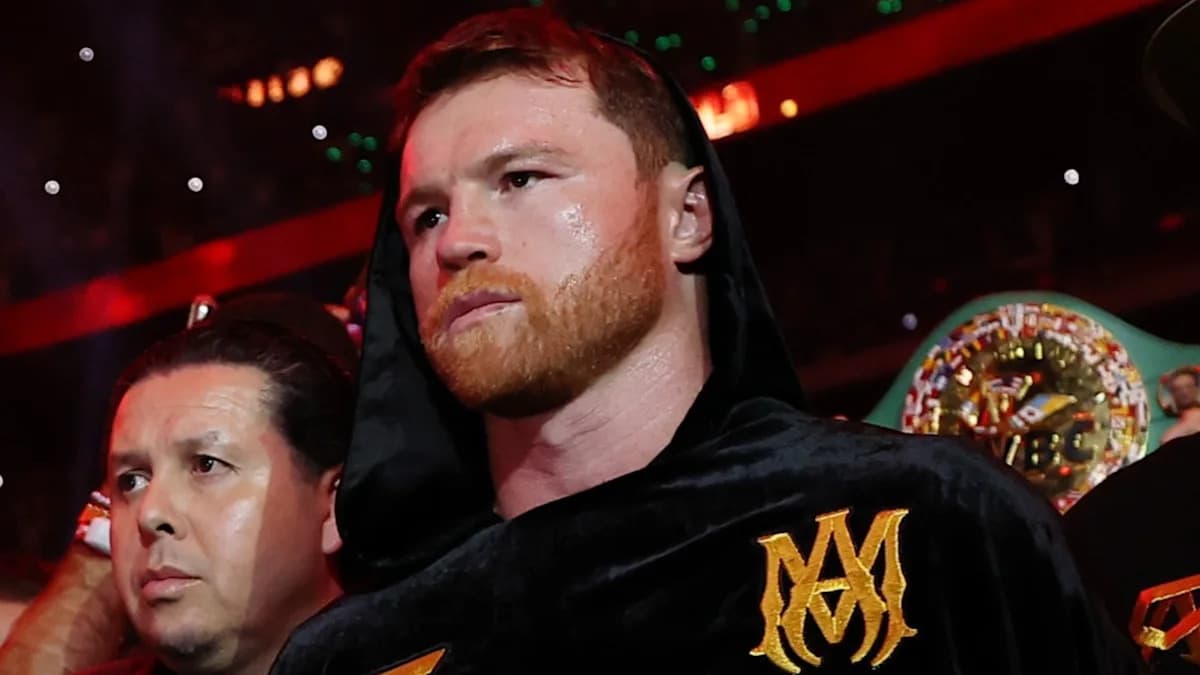
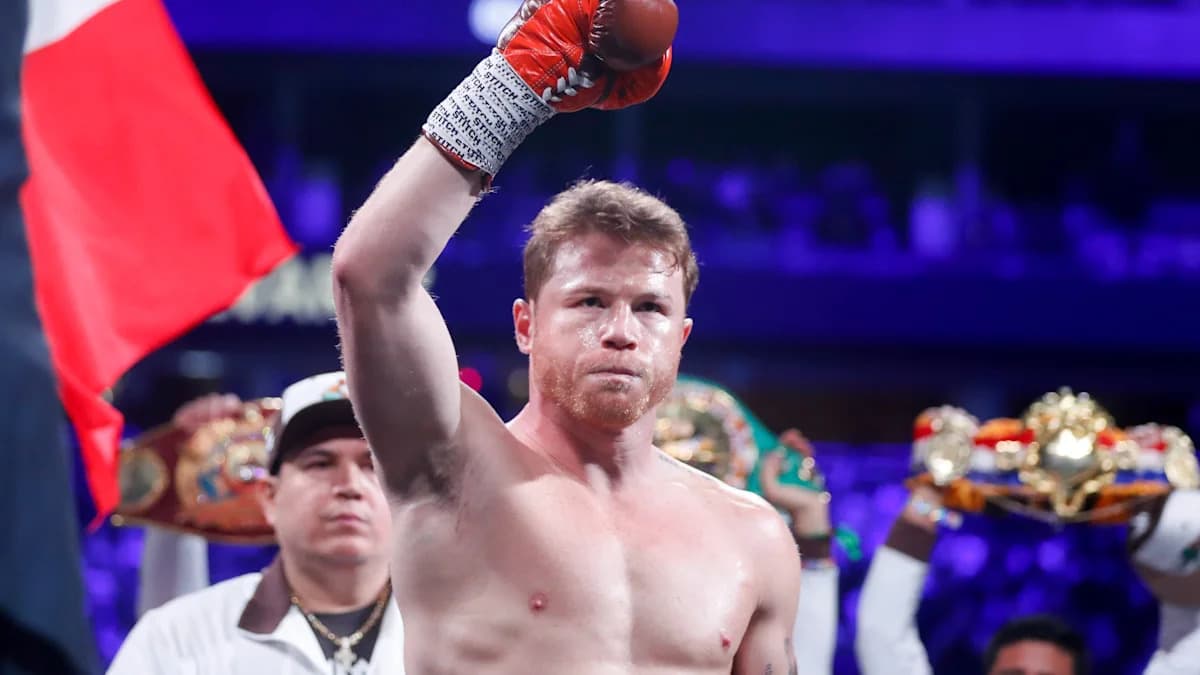
Mbilli, 31, was upgraded to WBC champion in January and now faces the most daunting first defence imaginable: Mexico’s Alvarez, 36, a veteran of 68 professional bouts and a fixture at the sport’s summit for more than a decade.
They stood eye to eye after the weigh-in, the tension obvious, the respect clear. No shoving, no theatrics. Just two men who know exactly what the other represents.
For Alvarez, this is not just another payday in a long career. He made his professional debut almost exactly 21 years ago, on 29 October 2005, and he framed this week as a return to something deeply personal.
“This is very important for me, I've been doing this for 21 years and won my first world title 16 years ago. It's important for me to win a title again,” he said, speaking with the calm of a man who has lived every version of fight week.
Then came the edge. “My experience is different, he hasn't faced anyone like me and I'll teach him tomorrow.”
Mbilli, stepping into his first defence, knows the scale of the task: a champion by elevation, now trying to become one by conquest, with Canelo as the measuring stick.
A fight night under fire
The bout takes place amid serious security concerns. The growing conflict between Saudi Arabia and Yemen's Houthi movement has cast a shadow over the event, raising questions in recent weeks about whether it could even go ahead.
The UK’s Foreign, Commonwealth and Development Office currently advises against all but essential travel to the whole of Saudi Arabia. Yet fighters, teams and fans have still converged on Riyadh, navigating a route made harder by events far beyond boxing’s control.
On Thursday, Saudi Press Agency reported that Civil Defence forces intercepted two ballistic missiles over the capital. Falling shrapnel injured a civilian and damaged a house and a vehicle.
Earlier in October, a missile strike on Riyadh's King Khalid International Airport killed 13 people and wounded more than 300. Travel for those heading to Saturday’s card has been complicated by restricted access to the airport, a logistical tangle layered on top of genuine risk.
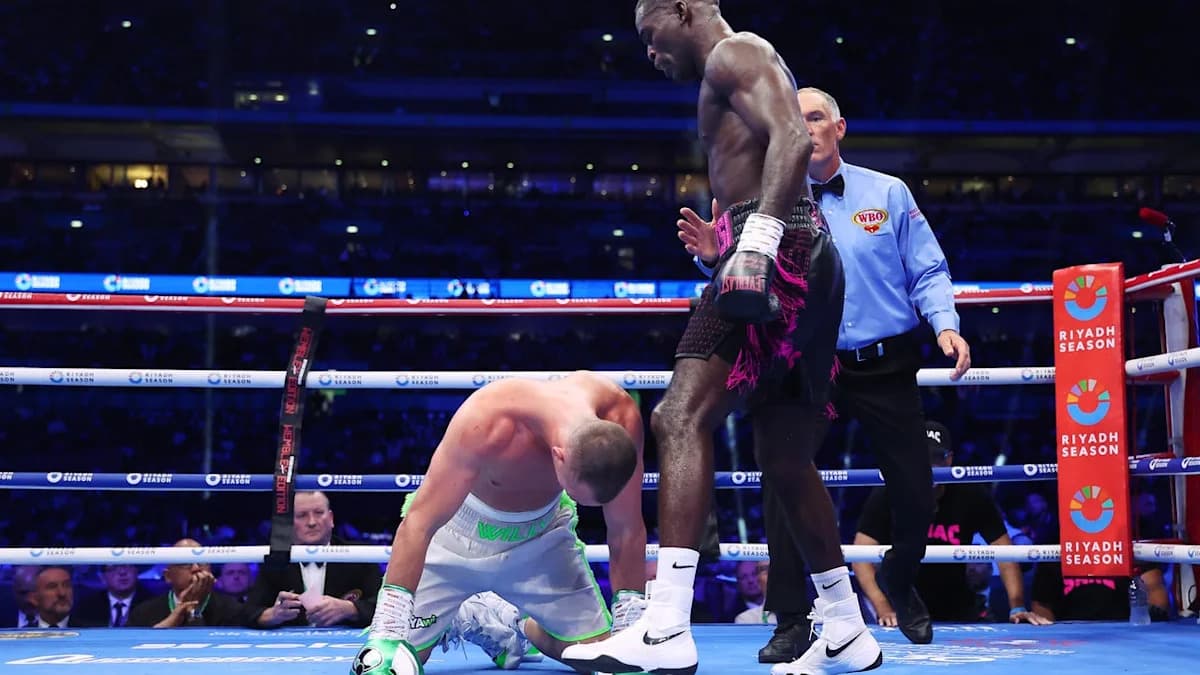
So the scene is stark. Inside, under the lights, Mbilli and Alvarez will trade for a world title at 168lbs. Outside, a city lives with the sound of sirens, alerts and interceptions.
On Saturday night, as Canelo walks to the ring for the 69th fight of his professional life and Mbilli steps out for the defining defence of his, the question will hang over the arena: in a place where missiles have become part of the backdrop, how much can boxing really insulate itself from the reality beyond the bell?