British Tennis Faces Challenges as Grand Slam Season Ends
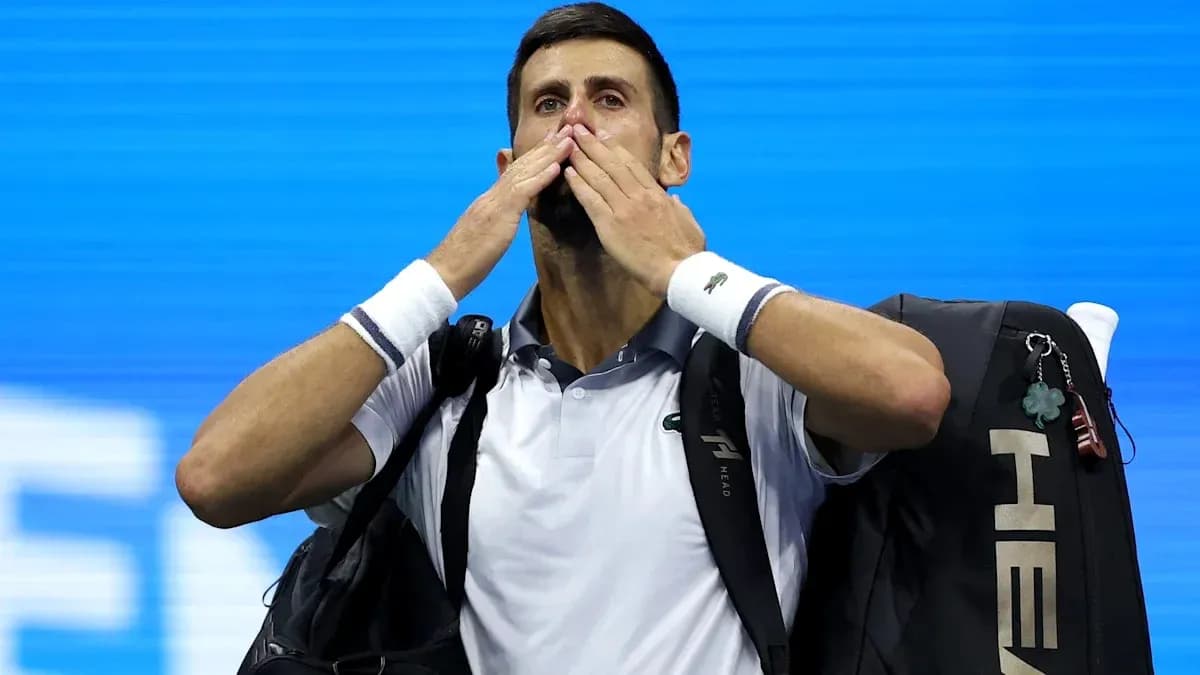
For the fourth time in five majors, the second week of a Grand Slam will unfold without a British singles player in sight. The US Open moves into its decisive stages. Britain packs its bags.
Earlier in the year, that kind of exit triggered soul-searching. The Australian Open, Roland Garros, Wimbledon – each one followed by the same question: what is going wrong?
This time, the mood is different. Not upbeat. But not apocalyptic either.
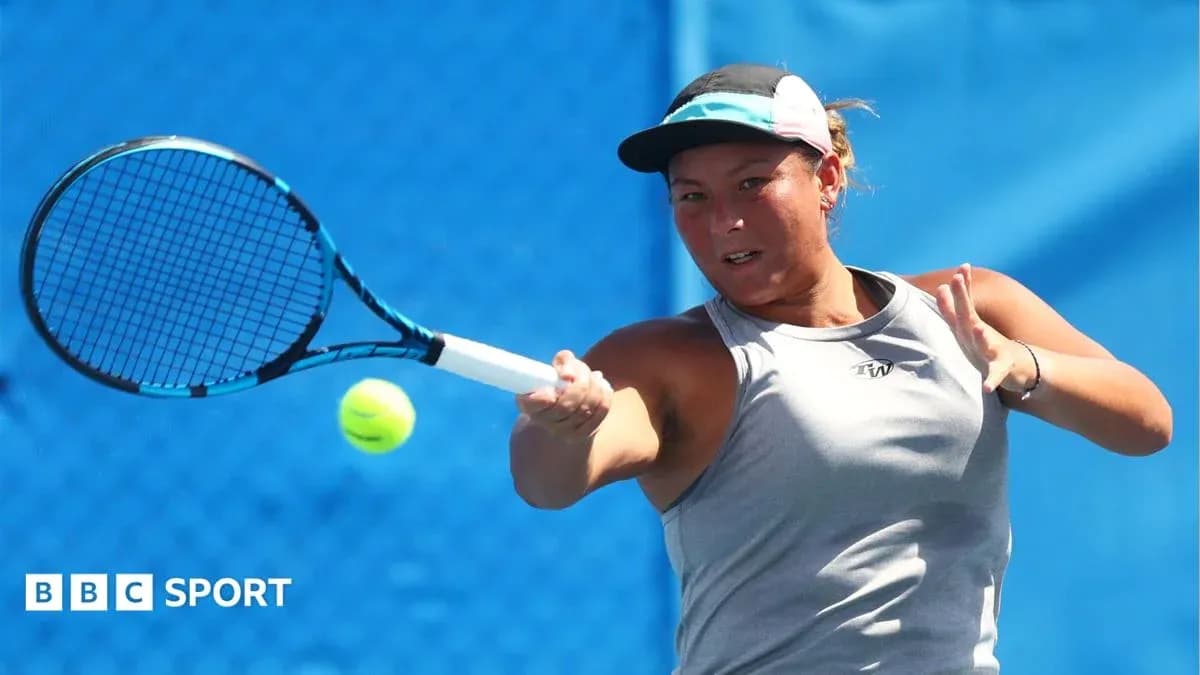
“I always think there's things that British tennis could do better. So yes, definitely,” said British women’s number three Francesca Jones when asked if there should be an inquest. “Do I think it's something that's concerning? No, not at all. The level is getting better and everyone is dangerous on their day.”
That tension – between incremental progress and stubborn underachievement – now defines the state of British tennis as the Grand Slam season closes.
Fery’s Wimbledon charge offers a blueprint
One story towers over the rest of the British year: Arthur Fery at Wimbledon.
The 24-year-old arrived at the All England Club as world number 114, needing a wildcard just to get in the door. He left as a semi-finalist, the only British player to reach the second week of any Slam in 2024, and a symbol the Lawn Tennis Association is keen to hold up.
Nobody had Fery pencilled in for the last four. He forced his way into the narrative, point by point, round by round.
For the LTA, his surge is not just a feel-good tale. It is evidence, they argue, that their development pathway is finally bearing fruit.
“We obviously want more and more competitors in the second week of Slams – just like the British public,” said LTA chief executive Scott Lloyd. “But the fact we've had four different British players make Grand Slam semi-finals since 2021 – you have to go back 30 years before Andy Murray to have four – shows there is no question that the direction of travel has improved. We've just got to keep driving for more – and that's what we're trying to do day in and day out.”
The numbers back up part of that optimism. Nine Britons started in the US Open main-draw singles, the highest total since 1981. That figure did not even include 2021 US Open champion Emma Raducanu or former world number four Jack Draper, both sidelined by long-term injuries.
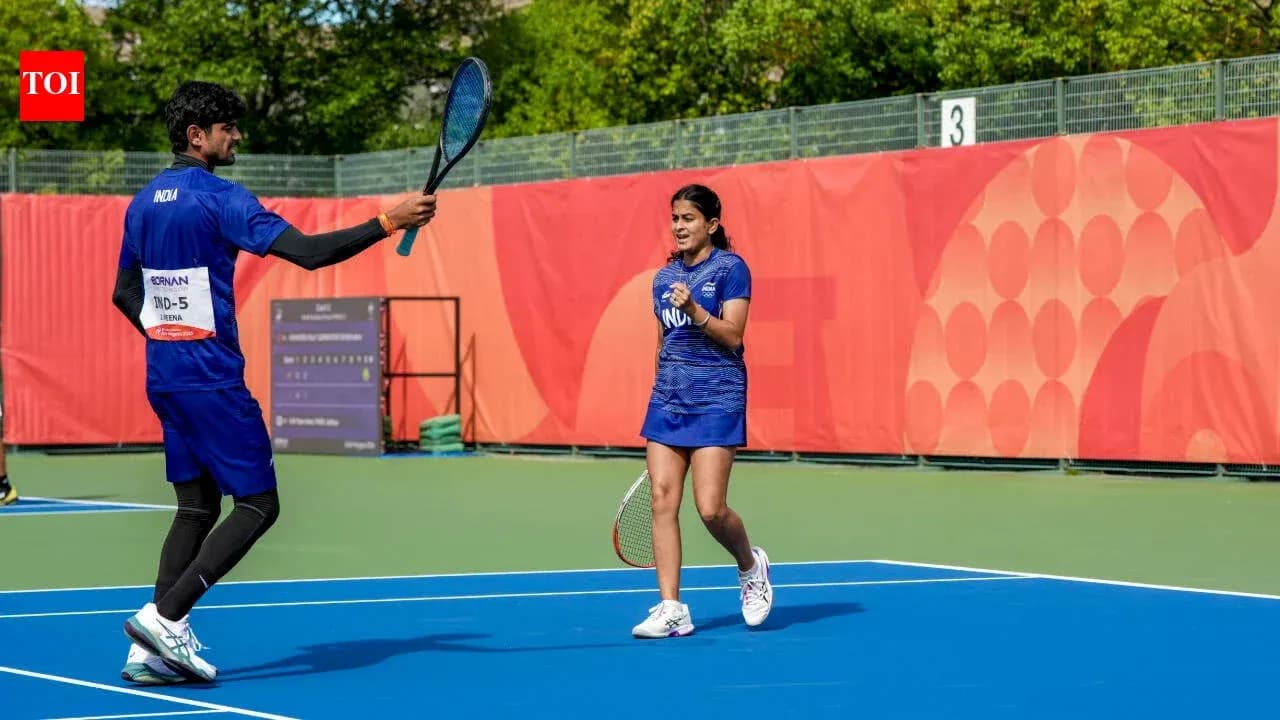
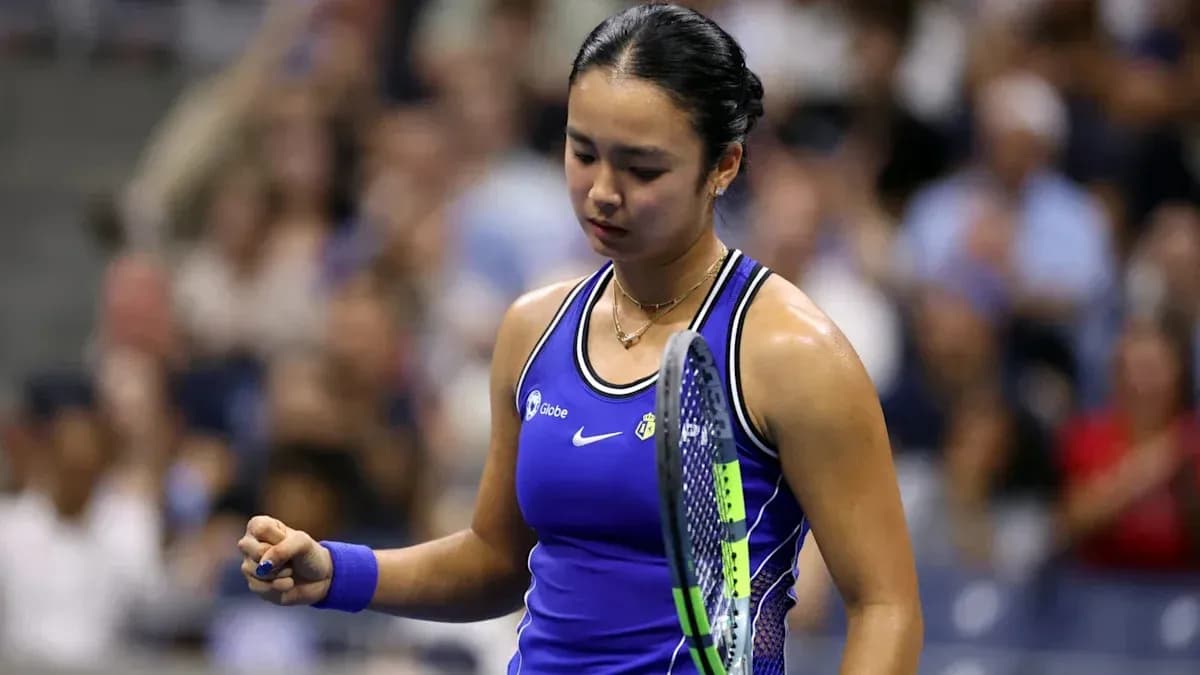
On the men’s side, five Britons – Fery, Cameron Norrie, Jan Choinski, Toby Samuel and Jacob Fearnley – are set to sit inside the world’s top 100 after the US Open, the strongest showing since February 2024. On the women’s side, Katie Boulter and Raducanu will be the two British names in that band, with Jones and Harriet Dart hovering just outside after reaching the second round at Flushing Meadows.
“We've sent 12 players to the world's top 100 over the past eight years and four of those have played Grand Slam semi-finals,” said LTA performance director Michael Bourne. “I'm not sure what other period in the modern era where we've had that level of productivity. Hopefully the number in the top 100 will rise over the next year.”
The indicators, as the LTA keeps stressing, are pointing up. But the rankings table still tells a harsher story.
Still punching below their weight
Britain is a Grand Slam nation with deep pockets, a rich tennis history and year-round visibility thanks to Wimbledon. Yet it continues to lag behind the traditional powerhouses of the sport.
There are fewer British players in the top 100 than from the United States, Australia and France – all, like Britain, beneficiaries of Grand Slam revenue. It also trails Spain, Italy, the Czech Republic and Argentina, countries regularly praised for churning out elite talent.
Some will say that is simply not good enough.
Bourne insists Britain cannot just copy and paste the Spanish clay-court model or the American college pipeline.
Every country, he argues, has its own “tennis ecosystem”. Its own geography, facilities, culture, climate, and sporting competition. What works in Rome or Buenos Aires might fail in Birmingham or Leeds.
Lloyd echoes that broader view.
“We're competing in one of the most internationally elite sports out there and the landscape is vastly different to 40 or 50 years ago in terms of the number of countries which have representation at the top,” he said. “We're ambitious, we want to drive for more, but we honestly believe the indicators are positive. We're moving in the right direction and stronger than where we have been historically.”
Yet progress has been repeatedly disrupted by injury.
Draper, once tipped as Murray’s natural heir, has barely played over the past year because of an arm problem. On the women’s side, Sonay Kartal – who broke into the top 50 last season – has slipped out of the top 100 after a long-term back issue. Those absences have stripped Britain of two of its most dynamic, upwardly mobile players at a time when depth is everything.
When those players are missing, the thinness of the base becomes impossible to ignore.
A booming base – with cracks beneath it
If the elite end looks fragile, the participation numbers tell a more encouraging story.
Draper, Raducanu and Fery all entered the LTA system early, and their rise offers a template for what British tennis wants to replicate. Get children on court young. Keep them there. Feed them into a structure that can turn raw enthusiasm into world-class skill.
According to Lloyd, 4.3 million juniors now play tennis annually in Britain, with 1.9 million picking up a racquet every month. Both, he says, are all-time records.
On paper, that is a dream foundation. A vast pool of potential.
The worry lies in what happens next.
Bourne admits Britain needs a “higher base” of coaches. More of them, and better trained. One of the LTA’s central strategies, he says, is to pour time and effort into developing that coaching workforce.
But coaching costs money. Serious money.
Chris Marshall, a senior performance coach with over 25 years’ experience and founder of the Young Champs programme, sees the strain up close. “To fund a 12-year-old at county level right now requires anywhere from £500 to £1,000 a month for coaching, travel, and tournament fees,” he told BBC Sport. “It is a massive, stressful financial barrier that makes the sport a non-starter for the vast majority of British families.
“We can't sit around lamenting the lack of British interest in the second week when we are restricting the pipeline that feeds it.”
That is the crux. Britain has more children playing than ever, a growing cluster of top-100 professionals and the occasional breakout star like Fery. Yet the route from park courts to Arthur Ashe Stadium still narrows too quickly, often at the point where bank balances, not backhands, decide who stays in the race.
The Grand Slam season ends with British players on the outside looking in. The question for the sport now is stark: can the system turn promise, participation and positive indicators into a generation that no longer disappears before week two?