British Basketball Season Kicks Off with High Ambitions
The new season of British basketball does not so much arrive as kick the door down.
London Lions are coming off a domestic clean sweep, the men’s Super League Basketball (SLB) has never felt deeper or more dangerous, and in less than a month a British club will walk into an NBA arena and test itself against the Portland Trail Blazers.
For a sport that has spent decades on the margins, this is a different kind of autumn.
A league that finally bites back
“I've been involved for 30 years now and it's definitely the most competitive it's been, pretty much in all those 30 years,” Newcastle Eagles owner and SLB director Paul Blake said. That is not nostalgia talking. It is a warning.
The third SLB season, born out of the ashes of the British Basketball League in 2024, tips off on Friday with the champions straight into the heat: Lions on the road at Bristol Flyers.
London arrive carrying everything. Last season they took the SLB Championship, SLB Playoffs, SLB Cup and SLB Trophy. A domestic quadruple. Every piece of silverware available now sits in their cabinet, and the target on their backs could not be larger.
They are not alone anymore, though. The league grows to 10 teams with the arrival of Liverpool Basketball, and the middle of the table no longer looks like a soft landing. Clubs across the country sense a moment.
Manchester Basketball have already planted a flag in Europe, becoming the first British side to win a qualifying round game in Fiba's Basketball Champions League by knocking off German outfit Wurzburg Baskets this week. Bristol Flyers are back in the European North Basketball League, where Manchester reached the final last season.
The standard is climbing, and it is climbing fast.
“The quality of players that are now in the league across the teams top to bottom is, for me, pretty much the highest level it's been. It's extremely competitive,” Blake told BBC Sport. He has watched cycles come and go. This one feels different.
Lions chasing the world, not just Britain
Domestically, London have nothing left to prove. That is why their gaze keeps drifting beyond the SLB.
The club wants to become one of the most recognisable names in world basketball. Ambition on that scale can sound fanciful in British sport. The Lions are trying to turn it into a calendar.
They return to the EuroCup for a second consecutive season, back in EuroLeague’s second-tier competition with something to fix. Last year they finished eighth out of 10 in their group, even though they did manage to beat eventual runners-up Besiktas Gain. Respectable. Not enough.
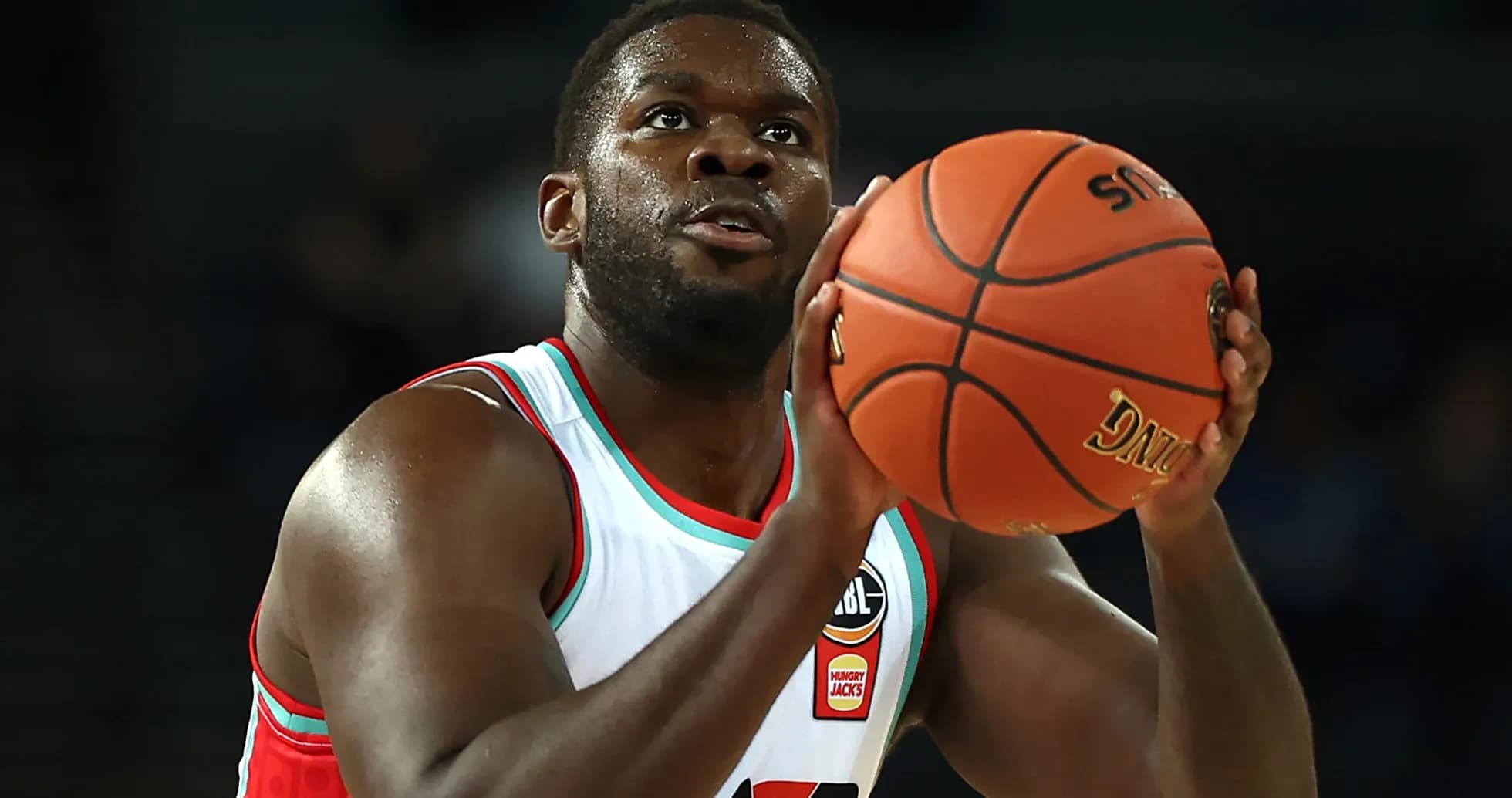
This time they arrive with extra firepower. Among their summer additions is Keenan Evans, a 2025-26 EuroLeague winner, on loan and expected to shift the ceiling of what London can do against continental heavyweights.
“We have ambitions to definitely outperform last year,” Lions CEO Lenz Balan said. No dressing it up. No modesty.
Earlier this month, London beat EuroLeague side Paris Basketball in pre-season, a result that will not earn a single point in EuroCup standings but sends a message about where they think they belong.
And then comes the night that could change everything.
On 12 October, the Lions will become the first British club to face an NBA team when they step onto the floor against the Portland Trail Blazers in the United States. For Balan, it lands somewhere between a dream and a business plan.
“I've wanted to be in the NBA since I was six years old. This is the closest I've ever been,” he said. “It's a really important signal in the basketball world, in the sporting world. This is the ambition. We are absolutely trying to be one of the best clubs in the world.”
That ambition now has a date, an arena, and three letters on the court.
“We're just really focused on executing that vision, getting better and if we keep doing that, I think we're going to get some good results,” Balan added. The fight for trophies at home continues. The real test of their project may come in gyms far from London.
Women’s game ready to step into the light
Fifteen days after the men tip off, the women follow.
SLBW, the women’s Super League, opens on Saturday, 3 October, with a fixture that neatly captures both tradition and aspiration: Cardiff Met Archers against B Braun Sheffield Hatters, last season’s champions and play-off winners.
Cardiff’s roster looks nothing like a typical professional squad on paper. Four players are salaried while studying for masters degrees at the university. Around them, a mix of scholarship athletes, postgraduate and undergraduate students, and others juggling full-time work with elite basketball.
This is the reality of the women’s game in Britain right now: ambition squeezed into the margins of everyday life.
“I think there's an opportunity to build something that people genuinely want to watch and follow,” Archers head coach Stef Collins, a member of Great Britain's 2012 Olympic team, told BBC Sport.
She has watched the global game explode. The recent Women's World Cup in Berlin drew over 230,000 fans, the most-attended edition in the modern era, as the United States claimed a fifth straight title by beating France in the final.
For Collins, that tournament was not just a spectacle. It was a blueprint.
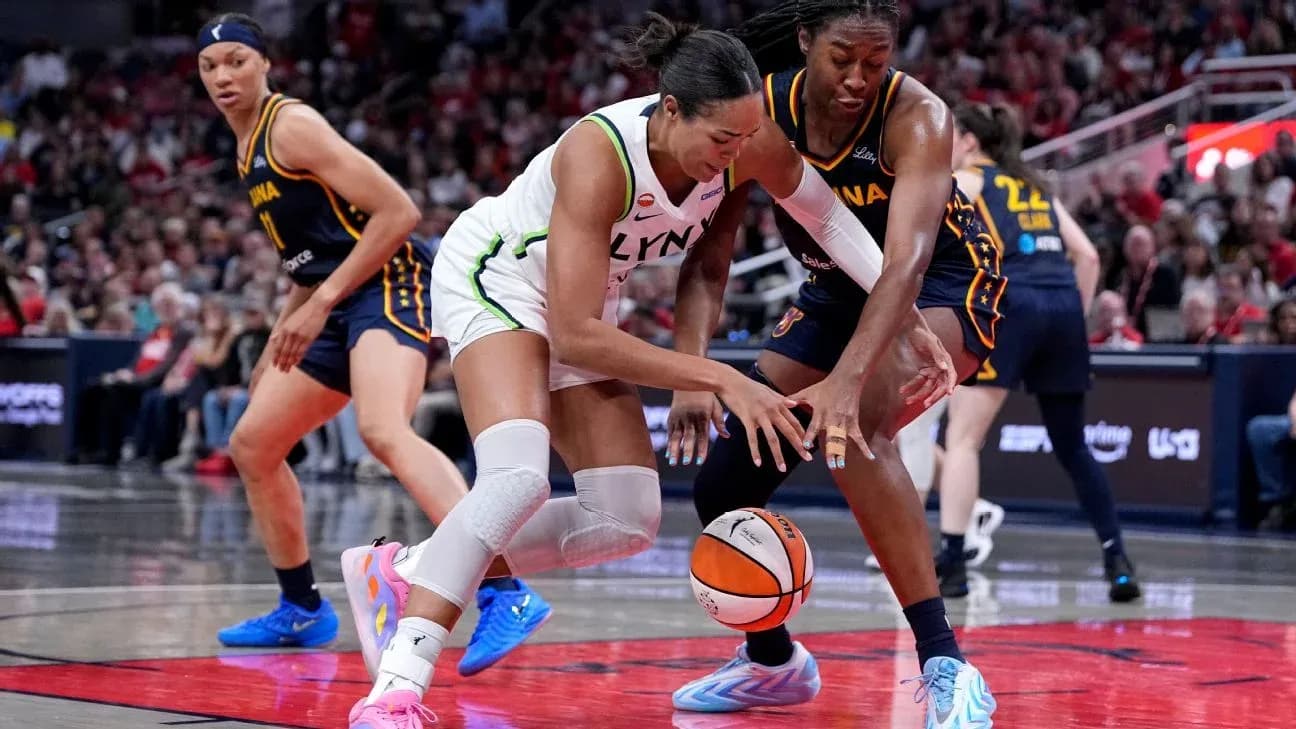
“Women's basketball has shown what is possible internationally, particularly with the growth we're seeing in leagues like the WNBA, NCAA College Basketball,” she said.
Her message is simple: do not just copy the men. Tell the stories properly.
“For me, it's also about telling the stories of the players. They're not just basketball players - they're students, they're professionals, they're international athletes, they're role models. If we can showcase that properly, I think there's an exciting future for the Super league.”
The evidence is already out there. In 2025, WNBA clips generated more than one billion views on Instagram, making it the most-followed women's sports league on the platform. That kind of reach is not an accident; it is a product.
“The WNBA is a really good example of what happens when you give women's basketball a platform and make the players and their stories visible,” Collins said. “But I think there's also a lesson beyond the basketball itself. Women's sport has shown that fans want to connect with the athletes, their personalities and their stories.
"We shouldn't be afraid to market women's basketball differently and allow our players to be themselves."
A sport on the edge of something
Across the country, from Liverpool’s new men’s franchise to Cardiff’s student-heavy women’s side, British basketball stands at a rare crossroads: deeper leagues, stronger squads, real European scalps, and a British club about to stare down an NBA team.
The question now is no longer whether the sport can grow. It is how far, and how fast, it dares to go.