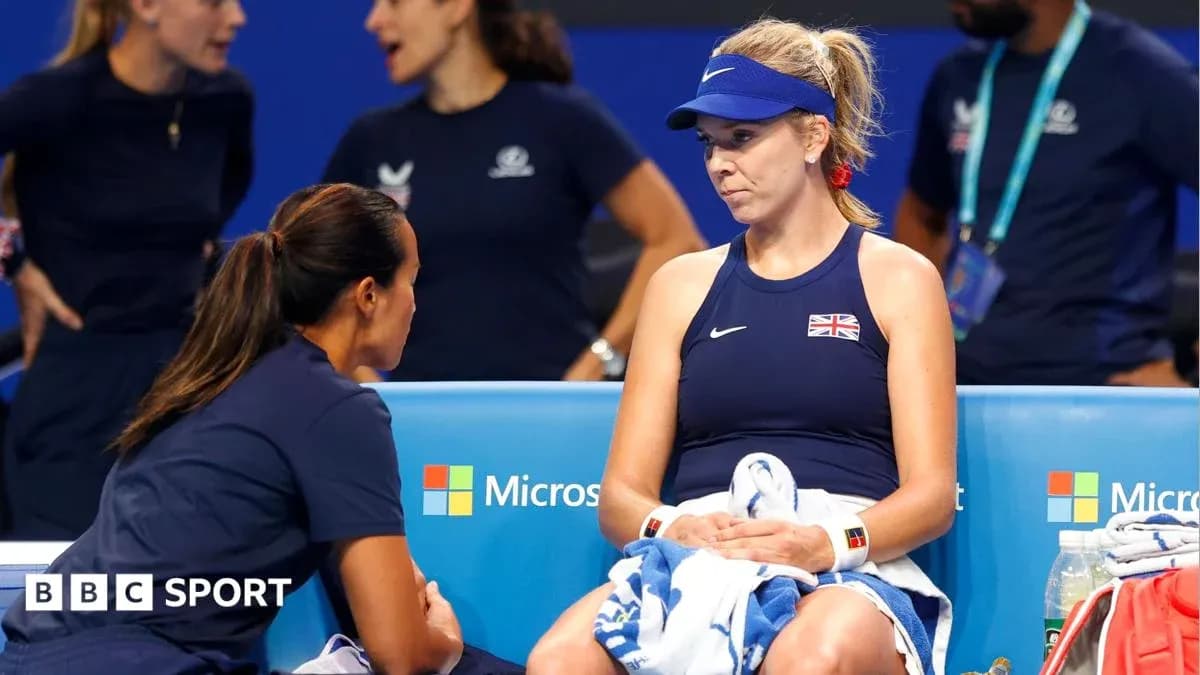
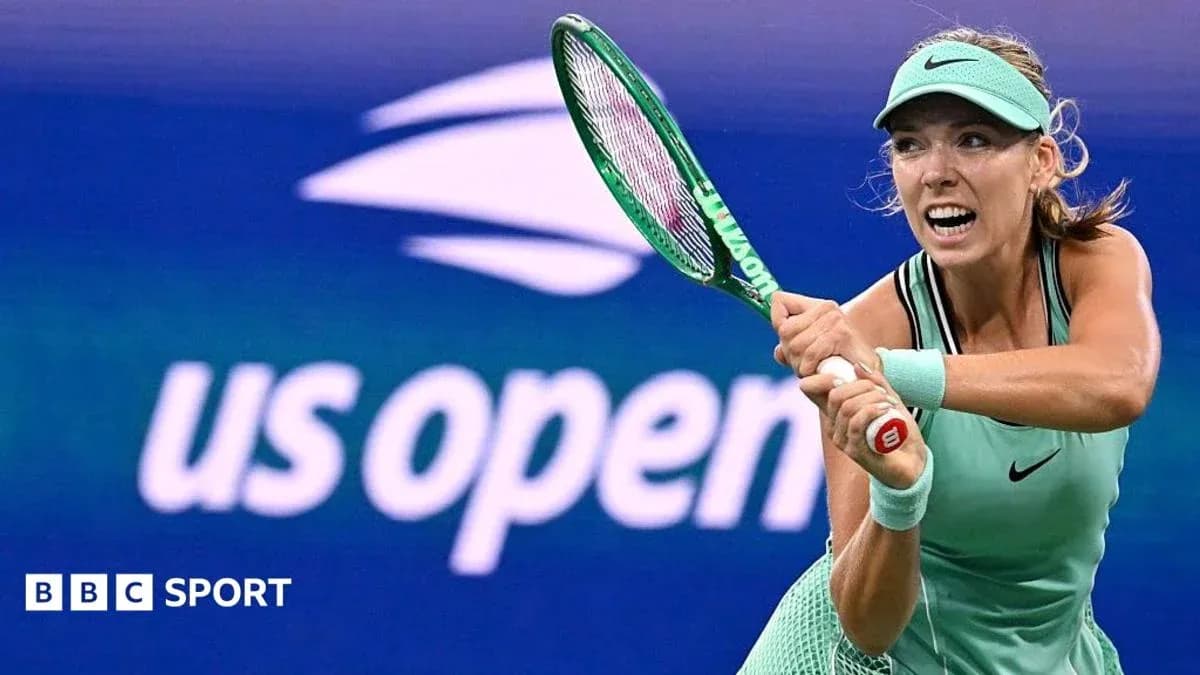
Katie Boulter crushed by Muchova in US Open defeat
The rain eased in New York, the roof closed over Louis Armstrong Stadium, and Katie Boulter walked into a storm of a very different kind.
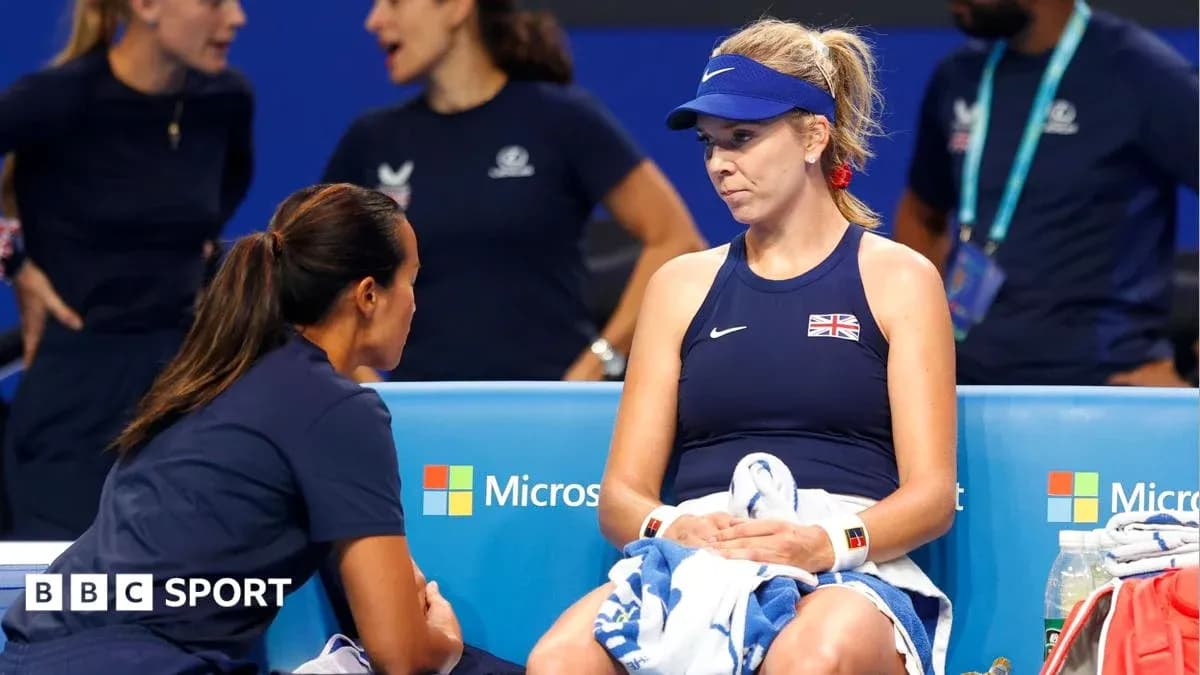
Shifted from an outside court to one of Flushing Meadows’ showpiece arenas, the British number one lasted just 58 brutal minutes as Karolina Muchova tore through her 6-1 6-0 in a one-sided second-round demolition that left the crowd more stunned than satisfied.
One game. That was all Boulter could cling to from an afternoon she later called “a bad day at the office – times two.”
Big stage, bigger problems
For Boulter, this was supposed to be a showcase: a prime slot on a 14,000-seat stadium, the kind of stage she has worked years to reach. Instead, it exposed every crack in her game.
She never settled. The roof, the echoing noise, the constant movement in the stands – all of it got inside her head.
“I struggled with the conditions. I struggled with the roof, the noise, I let things distract me,” she admitted. “I let it get to me. I'm not usually aware of everything going on. It made me feel a little bit uncomfortable. I have to deal with it better.”
The numbers told the same story, only more harshly. No aces. Eight double faults. Just 33% of points won behind her first serve. Seven break points faced, seven breaks conceded. Twenty-two unforced errors, only four winners.
Against a player of Muchova’s quality, that is a surrender.
Muchova in control from first ball
Muchova, the seventh seed and Wimbledon runner-up, needed no invitation. She read the situation early, sensed Boulter’s unease, and pressed hard on every weakness.
Her tennis was sharp, but also coldly efficient: 14 winners, just nine unforced errors, and a steady flow of smart drop shots that dragged Boulter forward before the Czech drove the ball past her with piercing groundstrokes.
The first set disappeared in 27 minutes. The second felt even shorter. Any hope of a reset after the changeover vanished as Boulter’s serve continued to misfire and her shoulders began to sag.
For the fans who had been delighted to see an extra match added to their day session ticket, the contest barely had time to breathe.
“Something big time needs to change”
From the commentary box, the verdict was blunt. Former world number five Daniela Hantuchova did not sugar-coat what she had seen.
“I would be really humbled [if I was Boulter], I would sit down with my team and say ‘OK, we need to change something big time’,” she told BBC Radio 5 Live.
“First of all, it was very obvious today that it was the serve. I feel like it needs to be cleared up because she was losing the rhythm and not using her legs. That's the number one thing.
“If I am Boulter, I would be on the practice court tomorrow. If she still wants to invest everything into her tennis then she needs to be on the court.”
The serve, long a weapon when Boulter is flowing, became a liability. Once that went, the rest followed.
A bright summer, a flat season
Off the court, Boulter’s year has had a very different tone. In July, she married Australia’s Alex de Minaur, the world number seven, capping a summer of personal joy.
On the court, the picture is far more stark.
Ranked 62 in the world, she leaves New York with just two wins across all four Grand Slam tournaments this season. Since her first-round exit at Wimbledon, she has won only two of six matches.
For a player who broke into the top 100 with momentum and ambition, 2024 has stalled.
Mixed fortunes for the Brits
Boulter was not the only Briton to fall short. Jacob Fearnley also exited in the second round, losing 6-3 6-3 3-6 6-3 to Argentina’s Tomas Martin Etcheverry. He fought back to take the third set but could not sustain the surge.
There was at least one bright note. Francesca Jones returned to finish the job she had started before the rain, coming back to complete a first-round victory over Poland’s Magda Linette after their match was interrupted on Tuesday. On a day of British disappointment, her win stood out.
Where next for Boulter?
This defeat will sting. Not just because of the scoreline, but because of the stage and the manner of the collapse.
Boulter has spoken often about wanting to belong at the top level, about embracing big courts and big occasions. Louis Armstrong Stadium handed her that platform. Muchova showed her what that level really looks like.
The question now is simple and unforgiving: does this become a turning point that forces change, or just another warning sign in a season already drifting off course?