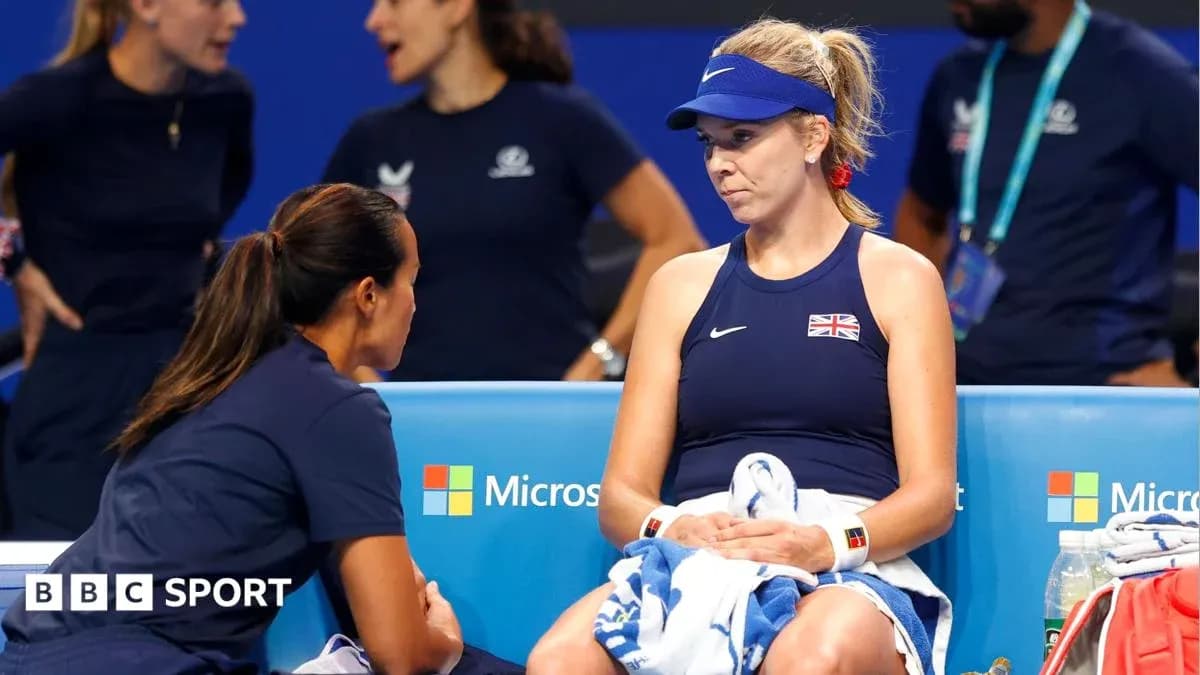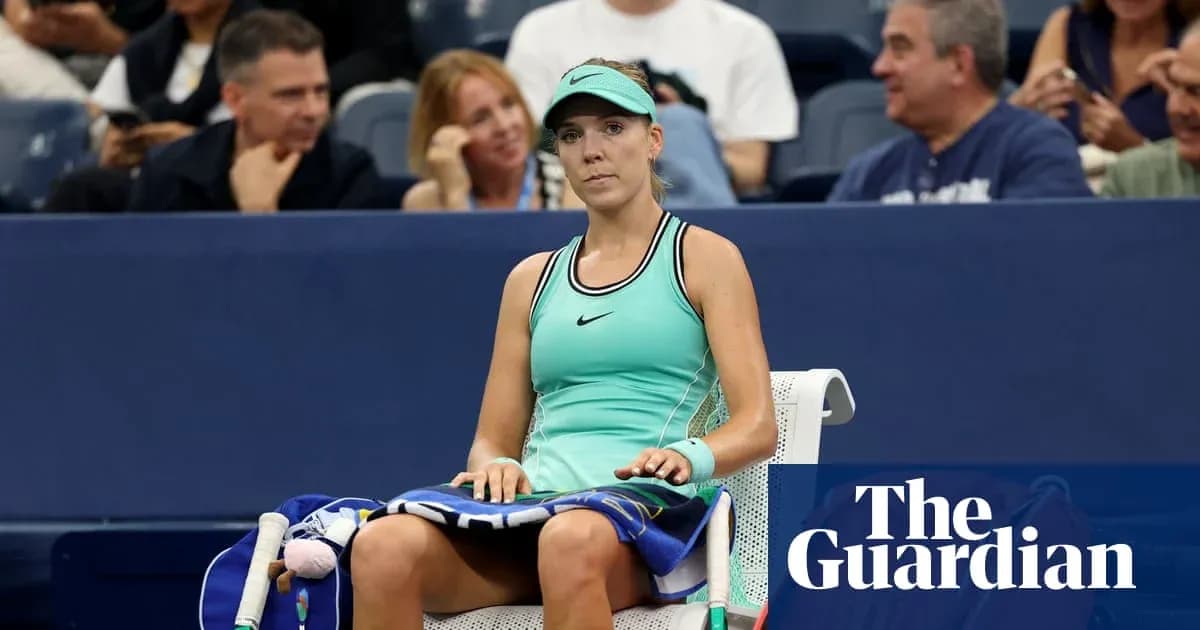
Katie Boulter Falls to Karolina Muchova at US Open
The rain came first. Sheets of it, hammering down on the outside courts at the Billie Jean King National Tennis Center, driving players and spectators under cover and freezing the schedule. Play stopped almost everywhere.
Almost.
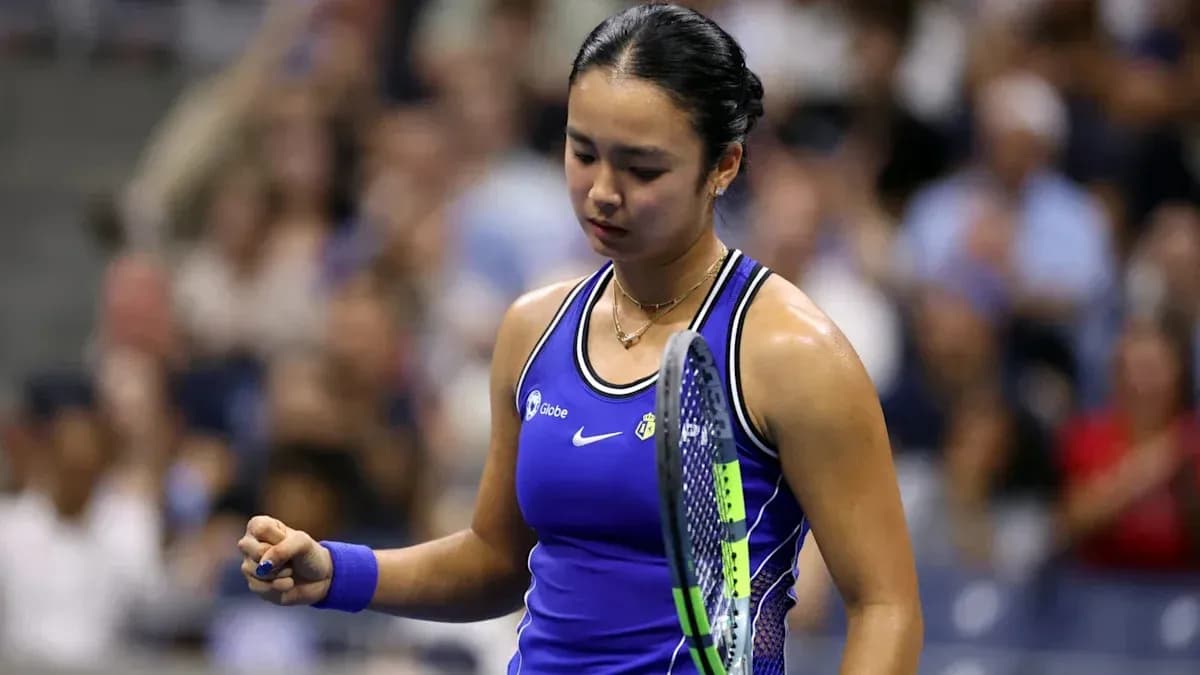
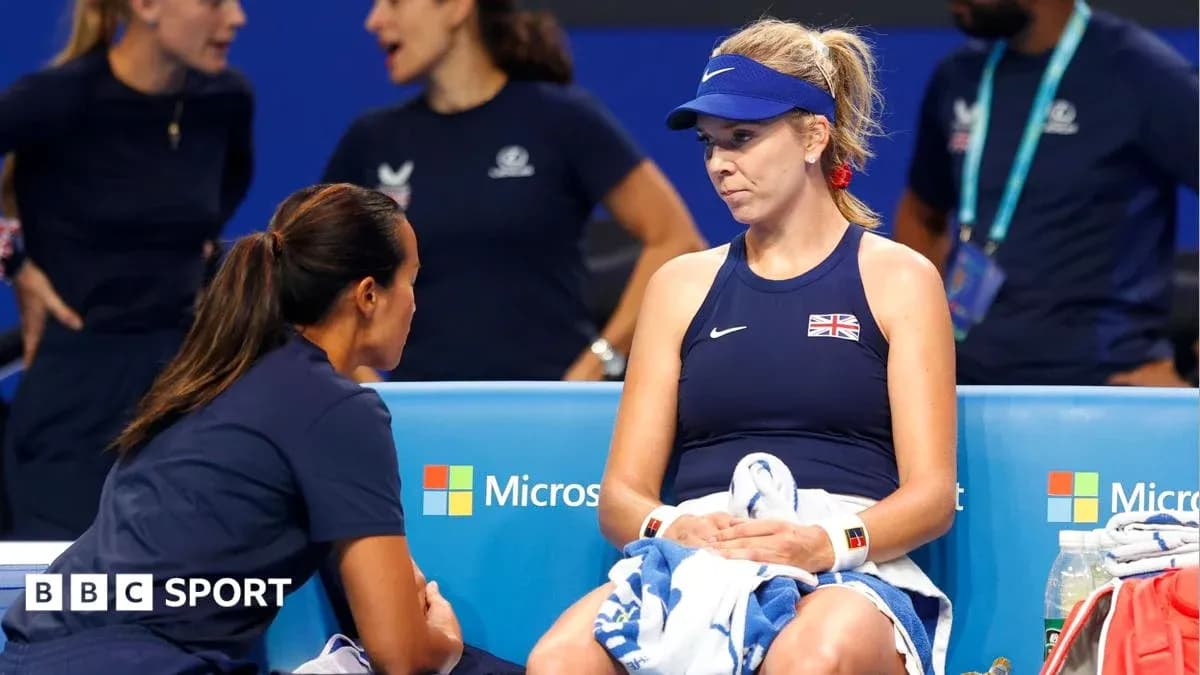
With only the two roofed arenas still open for business, Katie Boulter found herself dragged under the bright lights of Louis Armstrong Stadium – and straight into a storm of a different kind. Karolina Muchova, the seventh seed, dismantled her 6-1, 6-0 in 59 brutal minutes, slamming the door on Boulter’s grand slam season in the harshest fashion.
There was no hiding place. No gentle court 17 introduction to the New York night, no chance to ease into the chaos. One moment Boulter was preparing for a second-round match on an outside court, scheduled after the men’s clash between Rafael Jodar and Yunchaokete Bu. The next, with rain shutting down the grounds, she was walking into one of the sport’s loudest, most distracting arenas for only her second-ever hit on Armstrong – the first had been a practice.
Muchova did not offer sympathy. She offered a masterclass.
Silky, precise, and utterly in control, the Czech showcased the full range of her all-court game. She toyed with angles, feathered drop shots, then ripped through the open spaces she created. Boulter, who has spent the summer trying to rediscover her rhythm, never got close to hers. The scoreline told its own story: one game scraped, none in the second set, and barely a foothold in the rallies.
Afterwards, Boulter did not sugarcoat it.
“She was better than me today for sure,” she said, before turning the spotlight on the conditions and her own reaction to them. The roof, the echo, the constant murmur from the stands – the very things that give the US Open its unique energy – got inside her head.
“I struggled with the conditions. I struggled with the roof, I struggled with the noise. I kind of let these little things distract me a little bit. But ultimately, at the end of the day, it was a bad day at the office.”
This was her first match on a New York stadium court. She had expected the usual hush between points, the traditional grand slam etiquette. It never arrived.
“I actually expected it to kind of die down a little bit, but it didn’t,” she said. “From the first point of the match I was expecting the crowd to go silent, which is normally how it works. But it never changed.”
That mismatch between expectation and reality lingered. She tried to adapt on the fly, to reset mid-match.
“In my mind I was like, ‘Okay, so you need to adjust here. You need to be ready. You need to work it out as we go along.’ And I think that was my plan.”
Boulter usually feeds off noise. She likes the theatre, the tension, the hum. This time, it grated.
“I always want to have an atmosphere. I always want to have noise. I love that. I normally relish that feeling. So for me today it’s a very different feeling to feel slightly distracted from that. It was a little abnormal for me.”
It caps a jagged few months. Off the court, this has been a landmark summer for the 28-year-old, who married Alex de Minaur in July. On it, the early optimism has bled away. She opened the year with a surge – a fourth WTA title in Ostrava, a climb back into the top 60, and a statement win over world No 2 Elena Rybakina at Queen’s that suggested she was ready to push on again.
Then the losses started to stack up.
Before her first-round win in Cincinnati last month, Boulter had dropped five matches in a row, including a straight-sets exit in the first round of Wimbledon that cut deep. Confidence, so fragile at this level, has been hard to rebuild. New York was a chance to reset. Instead, Muchova’s ruthlessness under the roof left her searching for answers once more.
While Boulter tried to process a one-sided defeat, another Briton was writing a very different story across the grounds.
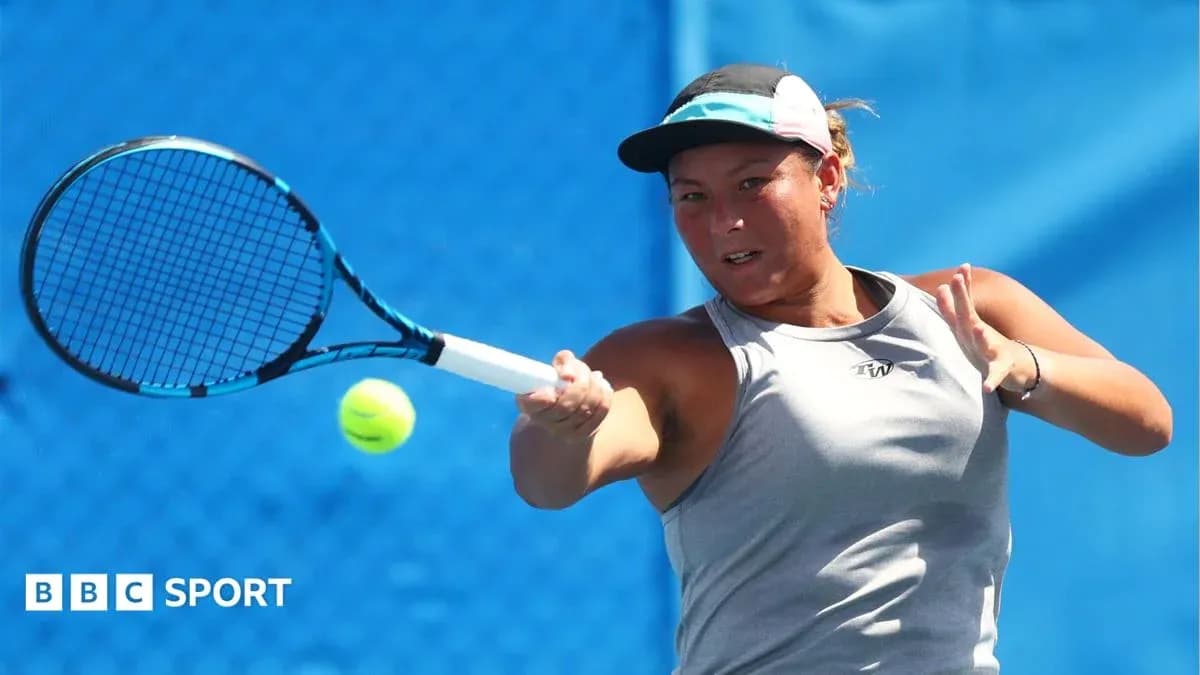
On an outside court, in stop-start conditions, Francesca Jones fought through rain, momentum swings and a former top-20 player to reach the US Open second round for the first time. Her 6-4, 1-6, 6-3 win over Magda Linette was not pretty. It was far more impressive than that.
Jones had earned the right to be there the hard way, grinding through three rounds of qualifying after a year that tested her body and patience. Having broken into the top 100 last season, she then spent long stretches of this one on the sidelines with a string of injuries and a freak concussion. Only from July did she finally string together consistent training and matches, and the results followed: back-to-back WTA 125 titles on clay, form that carried her into New York with quiet belief.
The match itself spanned two days and several emotional gears. On Tuesday, Jones flew out of the blocks, taking the first set with bold, proactive tennis before the rain shut everything down. When they resumed on Wednesday, the weather intervened again, forcing the players off just after their warmup. When they finally got going, Linette surged.
The Pole tore through the early stages of the second set, racing to 4-0 with the kind of clean, aggressive hitting that can blow a qualifier away. Jones refused to budge.
“It was incredible how she was playing until about 4-0 and then started to equal out,” Jones said. “But, you know, in that situation, hats off if they can maintain that. I just tried to show my northern grit, stick in there and do what I can.”
That grit told in the decider. Jones tightened up her patterns, cut out the loose errors and leaned into the resilience forged during those long, lonely months of rehab. Linette blinked first. The Briton closed it out for one of the most important wins of her career, a tangible reward for the grind that rarely makes headlines.
Elsewhere in the British camp, the day brought fewer bright spots. Jan Choinski fell 6-3, 6-1, 7-6(5) to Botic van de Zandschulp, unable to recover from a sluggish start despite a more competitive third set. Jacob Fearnley, in the draw as a lucky loser, bowed out 6-3, 6-3, 3-6, 6-3 to 27th seed Tomas Etcheverry, showing flashes of resistance in the third but not enough to flip the match.
The biggest jolt of the day, though, came back on Court 17, where the rain had first thrown the schedule into chaos. Rafael Jodar, the 19-year-old touted as one of the most exciting young names in the men’s draw, endured a chastening introduction to the main stage. Yunchaokete Bu tore through him 6-2, 6-1, 6-1, a demolition that cut straight through the pre-tournament hype.
In a single sodden New York afternoon, British tennis saw almost the full spectrum: a seasoned player overwhelmed under the lights, a qualifier breaking new ground, and a supporting cast learning harsh lessons at the highest level.
For Boulter, the question now is whether this “bad day at the office” becomes a turning point or another weight on already fragile confidence. For Jones, with her northern grit and rebuilt body, the second round offers something else entirely: a platform.