Binghamton's Carousel Classic: A Celebration of Tennis and Inclusion
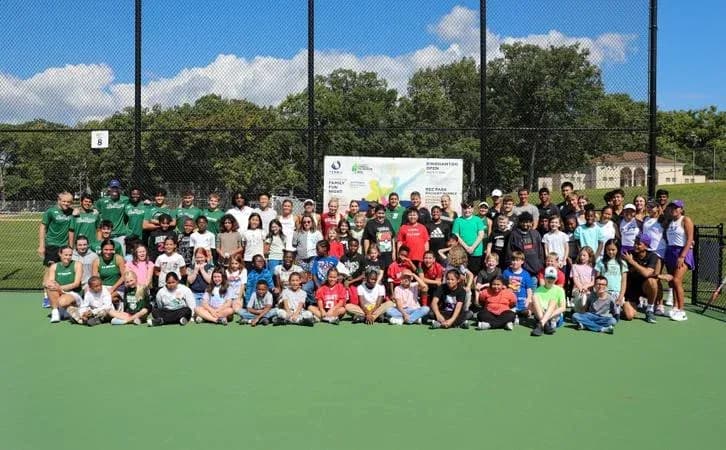
Binghamton University will stage the Carousel Classic for the second straight year from Sept. 11–13 at Recreation Park in Binghamton, transforming a neighborhood facility into a three-day showcase of how wide the sport’s reach can be. College stars, club players, high school hopefuls and adaptive athletes will all share the same courts, the same schedule and, crucially, the same spotlight.
This is not just another fall invitational. It’s a tennis festival.
A packed three-day slate
Play starts early and runs long.
On Friday, Division I and Collegiate Wheelchair matches open at 9 a.m., setting the tone with high-level competition from the first ball. The tempo briefly shifts late morning, when Horace Mann Elementary students take over for a youth clinic from 11 a.m. to noon. Then the matches roll again at noon and are expected to stretch to around 5 p.m.
Saturday flips the script. The adaptive tennis clinic leads the day, beginning at 9 a.m. and designed to welcome and coach athletes with disabilities before they move into competitive play. Matches are slated to start around 10:30 a.m. and run through the afternoon, again to about 5 p.m.
Sunday’s action starts at roughly 9 a.m. and pushes deep into the day, with Collegiate Club matches taking center stage from noon. By then, the courts will have seen nearly every level and variation of the sport that the region can offer.
Adaptive tennis steps into the spotlight
The defining addition this year is clear: adaptive tennis programming moves from concept to reality.
Wheelchair programs from University of Michigan, University of Houston and Fresno State are making the trip, fielding both men’s and women’s teams. They join Division I men’s squads from Binghamton, Buffalo and Bucknell, plus women’s teams from Binghamton, Buffalo and Colgate, in a lineup that blends traditional and adaptive competition on equal footing.
The aim is simple and ambitious at the same time – to create a competitive, welcoming and genuinely supportive environment for athletes with disabilities, rather than treating adaptive tennis as a sideshow.
Men’s head coach Nick Zieziula sees the bigger picture.
Across the college landscape, very few weekends look like this one: teams battling hard in matches, then turning around to run clinics for kids who may never have picked up a racquet before. For Binghamton’s men, there’s also a sharp competitive edge. Facing programs that sit near the top of their respective conferences offers valuable, early-season measuring sticks.
Community at the core
An event this broad doesn’t come together on goodwill alone. It needs backing.
Tennis Charities of Binghamton is actively seeking corporate sponsors and community partners to shoulder event-wide expenses and to keep youth and community programming accessible. The mission stretches beyond three days in September; it’s about building sustainable tennis pathways in the region.
Women’s head coach Paul Caceres underlined the importance of those ties with local schools. His team will again work with Horace Mann Elementary students during the youth clinic, a relationship that now feels like a cornerstone of the weekend rather than an add-on. The new adaptive programming only deepens that sense of purpose.
For the women’s squad, this is also a competitive starting line. The Carousel Classic marks their first tournament of the fall, a chance to launch the season against strong opposition in a setting that feels bigger than just wins and losses.
New faces, familiar ambitions
On the women’s side, Binghamton rolls out a refreshed roster. Four newcomers join established returners such as Apara Khandare, Angel Walia and Samantha Jaros. The blend of experience and fresh energy will get its first real test in front of a home crowd, in a format that demands quick adjustments and sharp focus from day one.
The men arrive with unfinished business.
Last season, they pushed all the way to the NEC Tournament final and finished as runners-up. That run raised expectations. Now, with key returners like Andre Ajed, Filipe Costa and Harry Liao back in the lineup, and four new players added to the mix, the Carousel Classic becomes an early proving ground.
The matches at Recreation Park will count only in the fall ledger, but the stakes feel larger. For Binghamton, for visiting programs, and for a community that sees itself reflected on court in more ways than one, the weekend offers a glimpse of what college tennis can be when competition and inclusion share the same stage.
The question lingering as the first balls are struck: if this is only year two of the Carousel Classic, how far can this event grow from here?