BCCI Implements Strict Fitness Protocols Amid Late Withdrawals
The Board of Control for Cricket in India has drawn a hard line on fitness, and it’s been a long time coming.
Burned by a series of last-minute withdrawals and aborted comebacks, the BCCI, its selection committee and the Centre of Excellence headed by VVS Laxman have moved to a far more cautious, almost unforgiving, regime before clearing players for international duty. The message from the corridors of power is blunt: no more half-ready bodies on full-time tours.
Harshit Rana, and a turning point
Harshit Rana’s case sits at the heart of this shift.
The fast bowler finally forced his way back into the national frame in June, named for the Ireland and England tours after five months out. It was supposed to be a fresh start. Within two weeks, he was gone again. He couldn’t complete the England leg and had to fly home, with Prince Yadav summoned as a replacement.
Inside the BCCI, that episode stung. It wasn’t the only one, but it crystallised a feeling that the system was exposing both players and selectors. A source familiar with the new policy framed the new approach starkly: the decision-makers now want to be “not just 100 per cent, but 200 per cent confident” before declaring a player available.
The pattern, though, had already been building.
Jasprit Bumrah and Sai Sudharsan were selected for the Sri Lanka Tests, only to be replaced by Auqib Nabi and Sarfaraz Khan. Suryansh Shedge was rushed in at the last minute when Nitish Kumar Reddy dropped out of the Ireland and England tour. Varun Chakaravarthy made way late for Ravi Bishnoi ahead of the Zimbabwe series. Each change forced hurried recalculations, tactical tweaks, and uncomfortable press releases.
Eventually, the CoE drew a line.
Conditional picks and public asterisks
The response has been a more rigid, structured clearance process, and a new layer of transparency around it.
Recent squads have come with an unusual caveat: “conditional selections”. Names are listed with an asterisk, accompanied by a clear note that they will be released only if they clear specific fitness tests.
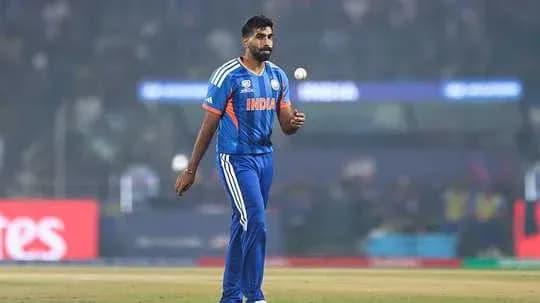
The T20I squad announced on Tuesday for the Afghanistan series in September carried exactly that kind of footnote. Bumrah, Washington Sundar, Nitish Kumar Reddy and Rana were all flagged as subject to fitness.
For Laxman, who oversees the CoE, this is not a cold, bureaucratic hurdle but a way of putting everything on the table.
“They (players) understand that they're not yet ready to participate in the national series. It's always player-centric and team-centric,” he said recently, underlining that the communication between players, medical staff and selectors is now constant and explicit. He described the system as one built on “transparency in all the fitness reports and also in the selection”.
There is also a hard edge to the process. When the BCCI releases a squad, it now clearly states which players are conditional picks. If they fail the tests, the selectors already know exactly who comes in. No scramble, no guessing. As Laxman put it, that is “basic common sense”.
The selection clock
BCCI secretary Devajit Saikia lifted the lid on the mechanics behind those asterisks.
Selection meetings typically happen three to four weeks before a team departs. At that point, several players may still be in rehabilitation, somewhere between the physio’s table and full training. Outright rejection on that day would be premature; blind faith would be reckless.
“So if he gets picked within that period of 21 or 28 days, he will be taken into the team,” Saikia explained. That window is crucial. A player might be unfit on the day of selection, but fully ready by the time the squad travels or the series begins. The asterisk, then, becomes a bridge between those two points.
The old habit of announcing a clean squad and then quietly swapping names when bodies broke down has been abandoned. Now the uncertainty is acknowledged upfront, for players, selectors and the public.
Bumrah likely, Reddy pushing, questions over Rana and Sundar
Behind the official caution, there is guarded optimism in some cases.
Bumrah, despite the asterisk against his name, is expected to be available for the three-match T20I series against Afghanistan, starting September 13 in New Delhi. Those in the loop believe he will clear the required checks in time.
Nitish Kumar Reddy is also pushing hard. Recovering from a quadriceps injury, the all-rounder has already started bowling six to seven overs a day at full intensity at the CoE. People familiar with his workload suggest he should be ready for the Delhi games if there are no setbacks.
Rana and Washington Sundar, though, sit in a different category. Their situations remain opaque, the updates less definitive. Inside the CoE, the stance is firm: no gambles, no sentimental recalls. “The CoE will not take chances,” said the source.
India’s depth has often been cited as a luxury. Under this new regime, it becomes a necessity. The days of rolling the dice on half-fit stars are over; the asterisk has replaced the shrug. The question now is simple: in a packed calendar and a demanding season, who can stay on the right side of that 200 per cent confidence line?