Barcelona's Winter Transfer Strategy: Raphinha's Renewal and Defensive Needs
Barcelona are preparing for a winter window that will demand precision rather than fireworks, with the club quietly reshaping its financial framework to give Hansi Flick the defensive reinforcement he has been asking for.
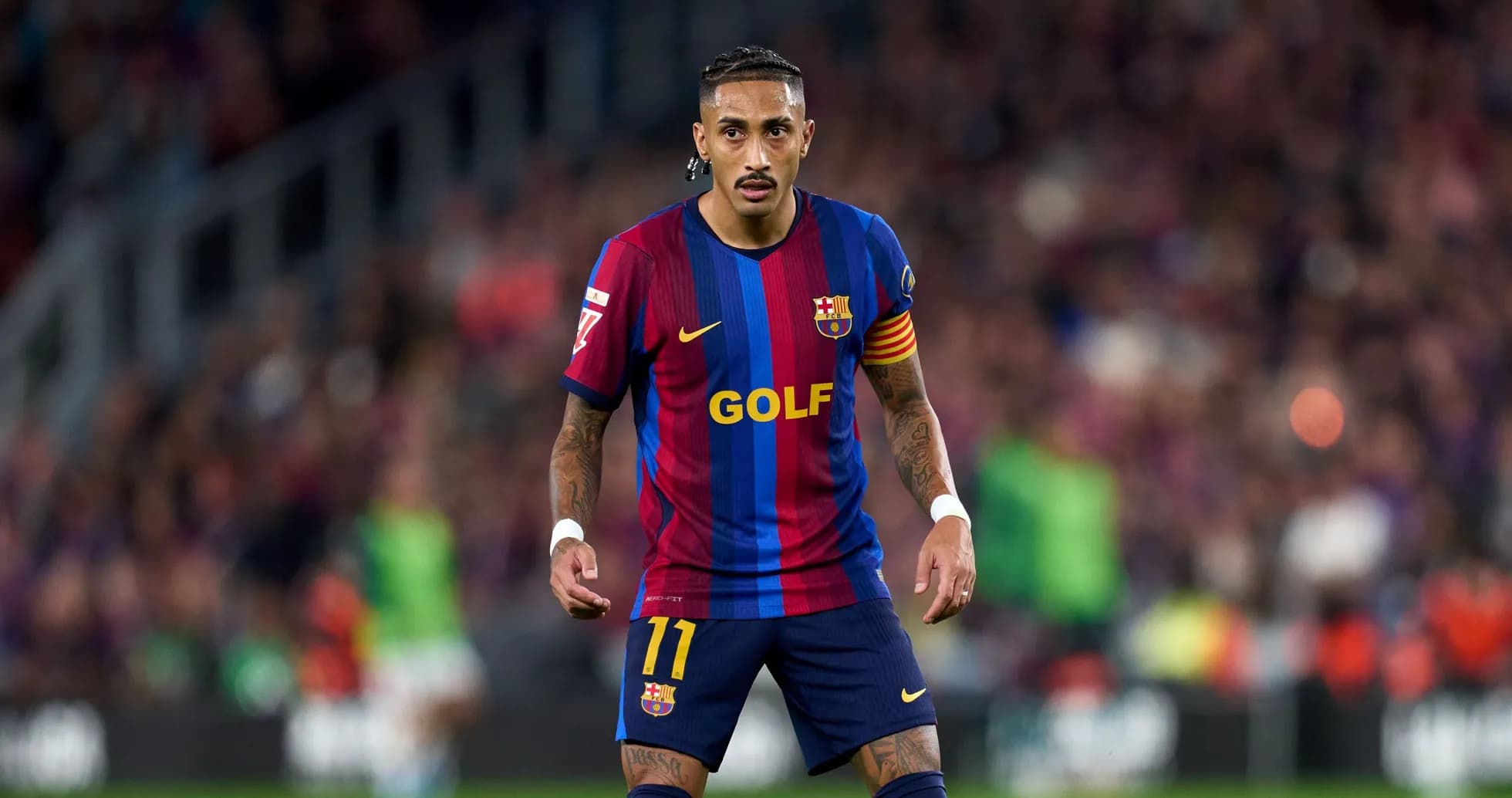
At the heart of that plan sits an unlikely protagonist: Raphinha.
Raphinha’s renewal, Barça’s breathing space
The Brazilian’s contract extension to 2030 is not just a show of faith in a winger. It is an accounting tool, a lever pulled at exactly the right time.
As reported by Spanish newspaper Sport, the renewal comes with a redistribution of his salary, lowering his immediate wage hit and stretching his earnings across future seasons. In a club still walking the tightrope of financial fair play, those details matter more than any headline.
Club vice-president Ferran Olivé laid out the reality in an interview with “Que t'hi jugues!” on Cadena SER. Barcelona, he said, have a surplus to work with this winter, but it is “very limited” — somewhere between 3 and 4 million euros. Thin margins. The kind that normally close doors rather than open them.
Raphinha’s new deal is designed to change that picture. Once the renewal terms fully kick in, his reduced salary for the remainder of this season should widen the club’s room to manoeuvre, giving Barcelona just enough flexibility to act without breaking the rules that have hemmed them in for years.
A defender at the top of the list
That extra space will not be used on a luxury signing. It will be used on necessity.
Barcelona want a centre-back. That is the priority, and it is non-negotiable.
The squad has been stretched by a wave of injuries, particularly in central defence. Jules Koundé, Eric García and Andreas Christensen are all nearing the end of their recovery programmes, yet Flick still looks at his options in the heart of the back line and sees risk everywhere. One setback, one relapse, and the structure creaks again.
Flick is chasing every title on offer. He cannot afford to gamble on fitness.
So Barcelona are preparing to move, but they will have to be clever. The club cannot carry the cost of a top-tier defender with a matching salary in this window. That reality pushes them towards alternative routes: structured deals, low initial wages, and above all, loans.
They have been here before.
The Cancelo template
Last winter, Barcelona used that exact formula to bring João Cancelo in from the Saudi league on loan. It was a short-term fix that turned into something more permanent, with the club tying him down on a three-year contract last summer.
That deal has become the template. A player of proven quality, a club willing to negotiate, and a financial structure that pushes the heavier costs into the future, when the books are expected to look healthier.
This winter, the same playbook is back on the table.
Lisandro Martínez in the frame
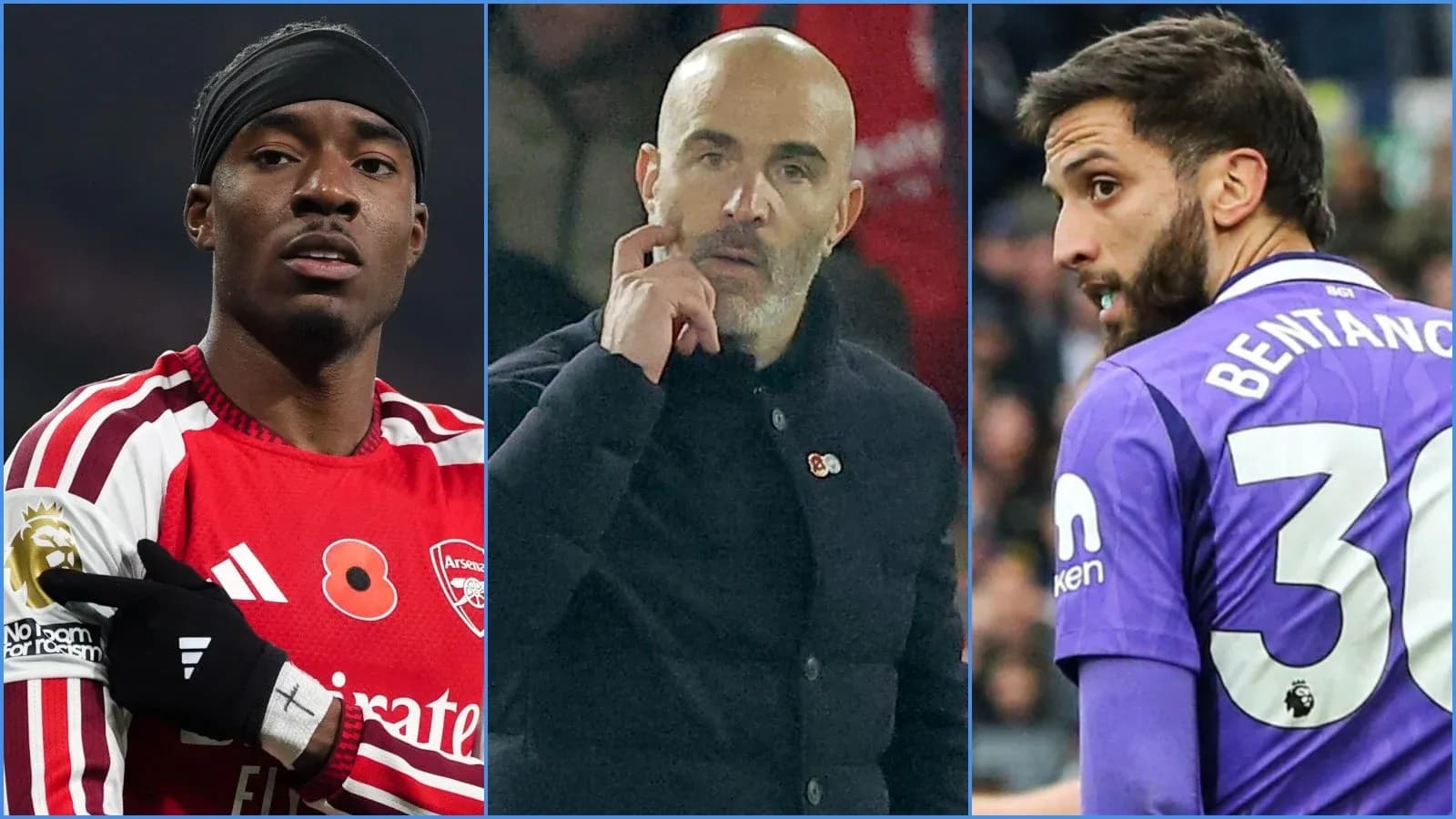
Among the names that fit this profile, Lisandro Martínez stands out.
The Argentine defender’s contract with Manchester United runs until 30 June 2027. Under normal circumstances, that would give United control and leverage. But the situation is more nuanced.
From January, Martínez is free to negotiate with other clubs regarding his future beyond that contract term, and reports of a fallout with coach Michael Carrick have cast a shadow over his role at the English side. When relationships fray, bargaining power weakens.
United, facing a player who may be looking for a way out and a contract that edges closer to its final stretch, will struggle to demand a huge fee. That is where Barcelona see opportunity.
A deal could be built around a modest initial salary for Martínez, with the heavier financial load deferred to later seasons, mirroring the structure used with Raphinha and Cancelo. A loan with an option or obligation to buy would align perfectly with Barça’s current constraints and long-term plans.
It is not the only path on the table, but it is one of the clearest.
A winter window shaped by necessity
Barcelona enter this winter knowing exactly what they are: a giant still boxed in by its past spending, trying to compete at the highest level while counting every euro.
They will not be bidding in auctions. They will not be throwing money at problems. They will look for angles — expiring contracts, strained relationships, players willing to sacrifice short-term wages for the chance to wear the shirt and settle the difference later.
What they cannot do is stand still.
With Koundé, García and Christensen edging back but not yet fully trusted to carry the load, and with Flick determined to attack every competition rather than pick and choose, the pressure for a defensive signing is not a matter of luxury. It is structural.
Several routes remain open. All of them narrow, all of them demanding precision.
Barcelona have made their first move with Raphinha’s renewal. The next one, in the heart of their defence, may define how far Flick’s team can really go this season.