Australia's Experienced Squad and Labuschagne's Role in South Africa Tour
Australia will head back to South Africa for the first time since the notorious 2018 tour with a squad that screams experience with the ball and faith with the bat.
All of Pat Cummins’ seasoned fast-bowling lieutenants are on the plane in a 16-player group for the three-Test series starting in Durban on October 9. Josh Hazlewood and Mitchell Starc join the captain to reunite a pace attack that has carried Australia through some of their biggest recent assignments, a clear sign the selectors are treating this as a heavyweight World Test Championship contest, not a development trip.
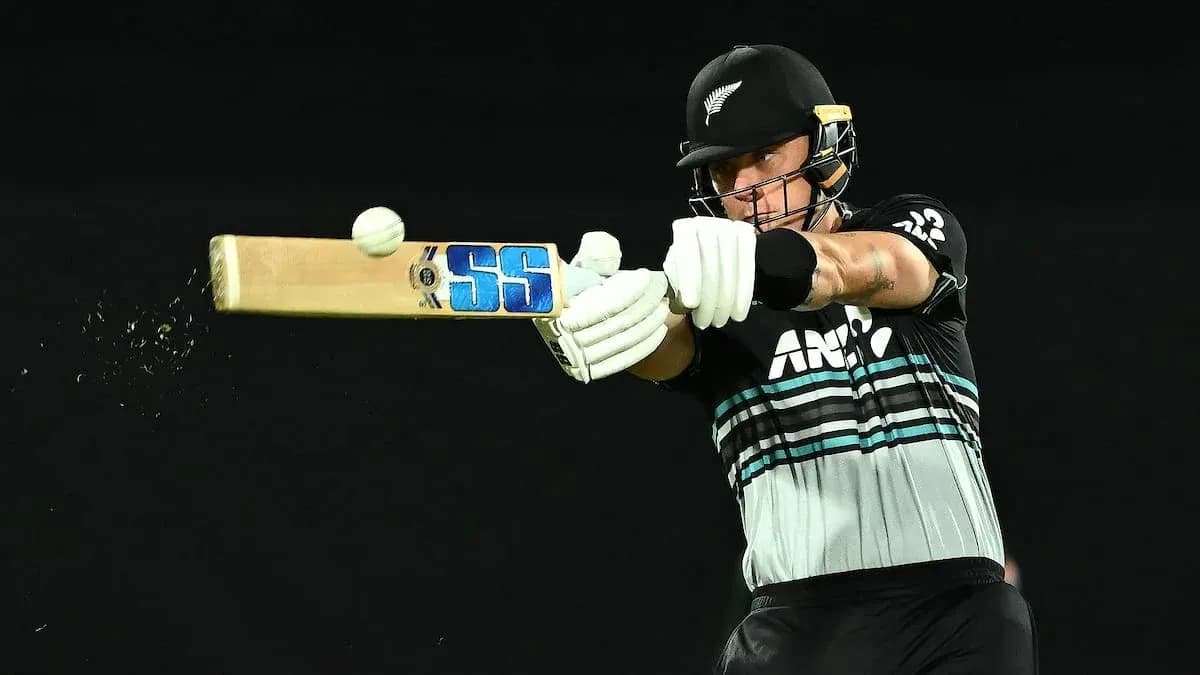
The more intriguing call comes with the bat. Marnus Labuschagne, short of runs and without a Test century since July 2023, has been retained. His form has frayed, his method has been questioned, but his name remains inked in. Australia are backing class over numbers, at least for now.
Labuschagne slots into a batting group built around familiar pillars and a couple of carefully chosen options. Travis Head, the side’s middle-order game-breaker, is there. So is Steve Smith, still the reference point for this batting unit, and Matthew Renshaw, whose versatility gives the selectors room to move with the top order. Young Cooper Connolly joins them, a nod to the future but also a live option if conditions demand a different balance.
Behind them sit the all-rounders who could decide the shape of each Test. Cameron Green, with his ability to bowl long spells and bat in the top six, remains central to Australia’s plans. Beau Webster joins him, adding another tall seam option and depth to the lower order. On a tour where workloads will be tight and the schedule unforgiving, those extra overs from the all-rounders could be crucial.
The selectors have also moved to cover the unknowns of South African conditions by bringing in three players who missed the recent home series against Bangladesh: Connolly, Matthew Kuhnemann and Michael Neser. Kuhnemann offers a left-arm spin angle that could become vital if pitches tire or slow. Neser, perennially on the fringes, again provides a skilful seam option tailor-made for responsive surfaces and cloudy mornings.
“This is a reasonably condensed three-game series, on the back of six one-day internationals, with only short breaks between each game,” Chair of Selectors George Bailey said. “The squad provides balance and options for each Test and the variety of conditions we may face.”
The schedule will test depth as much as star power. Three Tests, jammed in after six ODIs, leave little room for niggles or loss of form. Australia have covered themselves accordingly, stacking the squad with bowlers who know how to manage heavy workloads and batters who can be shuffled to suit the pitch.
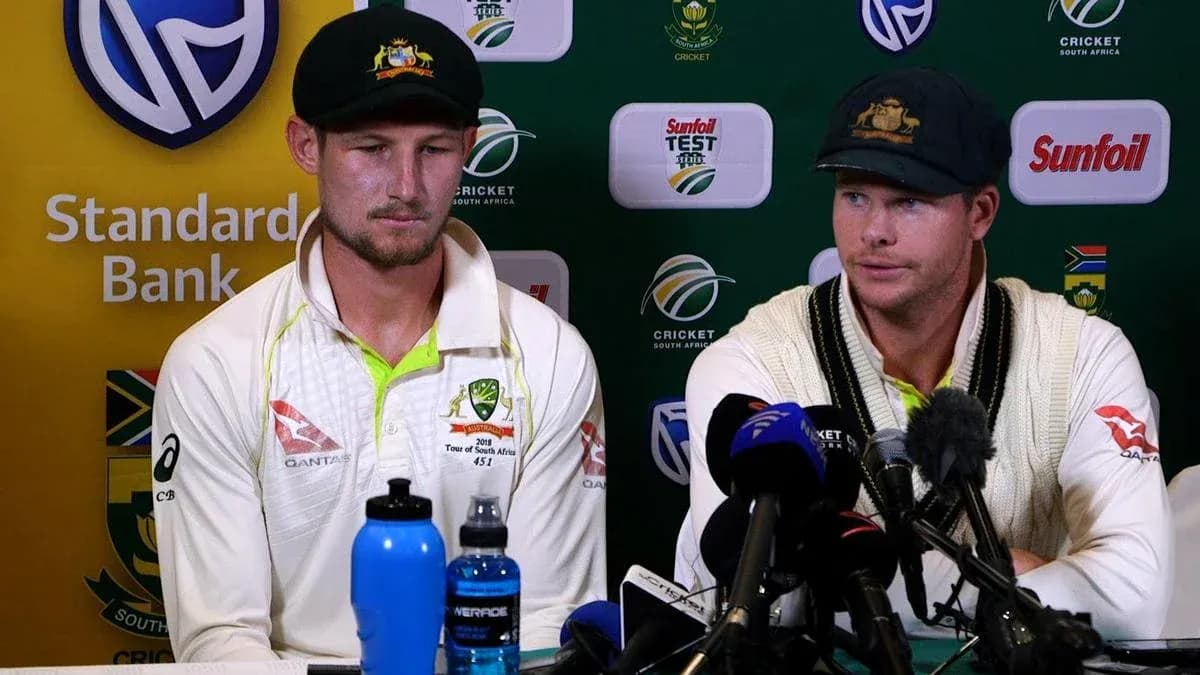
Only five players – Cummins, Hazlewood, Starc, Smith and Renshaw – have previously been part of an Australian Test touring party in South Africa. The scars and storylines of 2018 will follow them, but this is a very different team, one now sitting on top of the World Test Championship standings and used to carrying the weight of expectation.
Waiting for them are the reigning champions. South Africa sit second on that same table, turning this series into more than a nostalgic return to a troubled venue. It is a straight fight for early control of the Test cycle.
Australia have chosen experience with the ball, loyalty in the middle order and flexibility around the edges. In South African conditions, with a title race already taking shape, that blend will either look inspired – or brutally exposed.