Aryna Sabalenka Dominates Polina Iatcenko in 53 Minutes at US Open
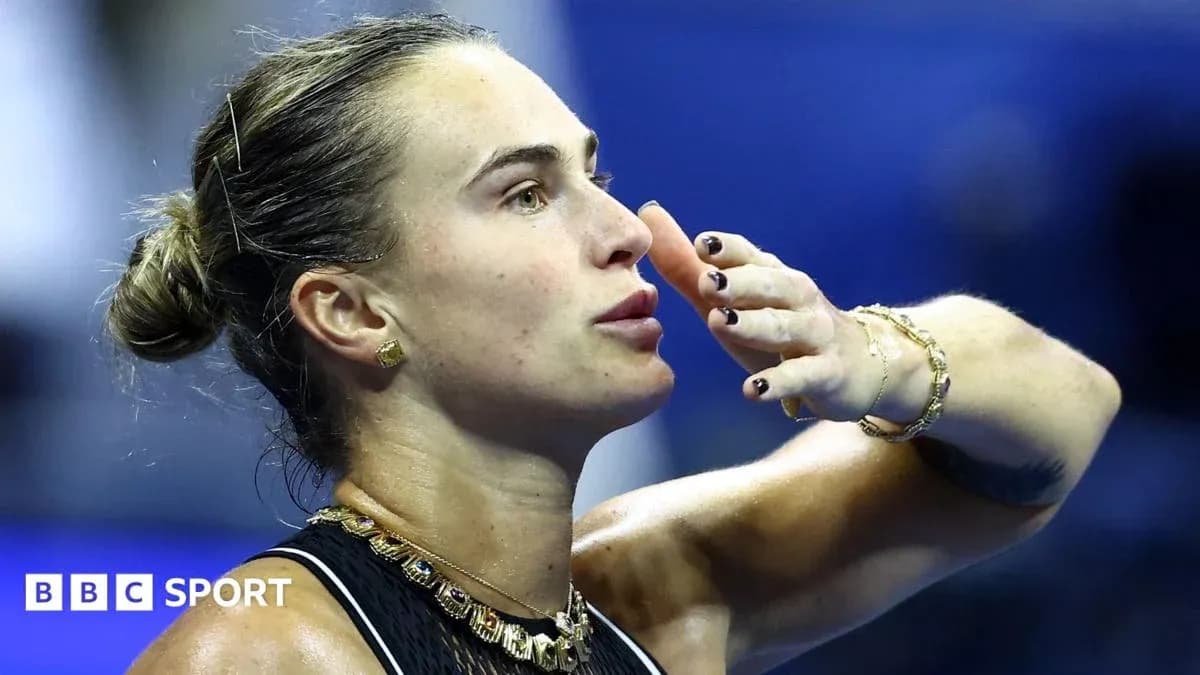
Aryna Sabalenka walked off Arthur Ashe Stadium in under an hour, the scoreboard brutal and bare: 6-1 6-1 in 53 minutes. One of the quickest Grand Slam wins of her career. One of the least revealing.
She destroyed US Open debutant Polina Iatcenko. She did not look remotely satisfied.
This is a strange season for the world number one. On paper, she is still the player everyone is chasing. In reality, she is the one trying to chase down her own best self.
A demolition that answered nothing
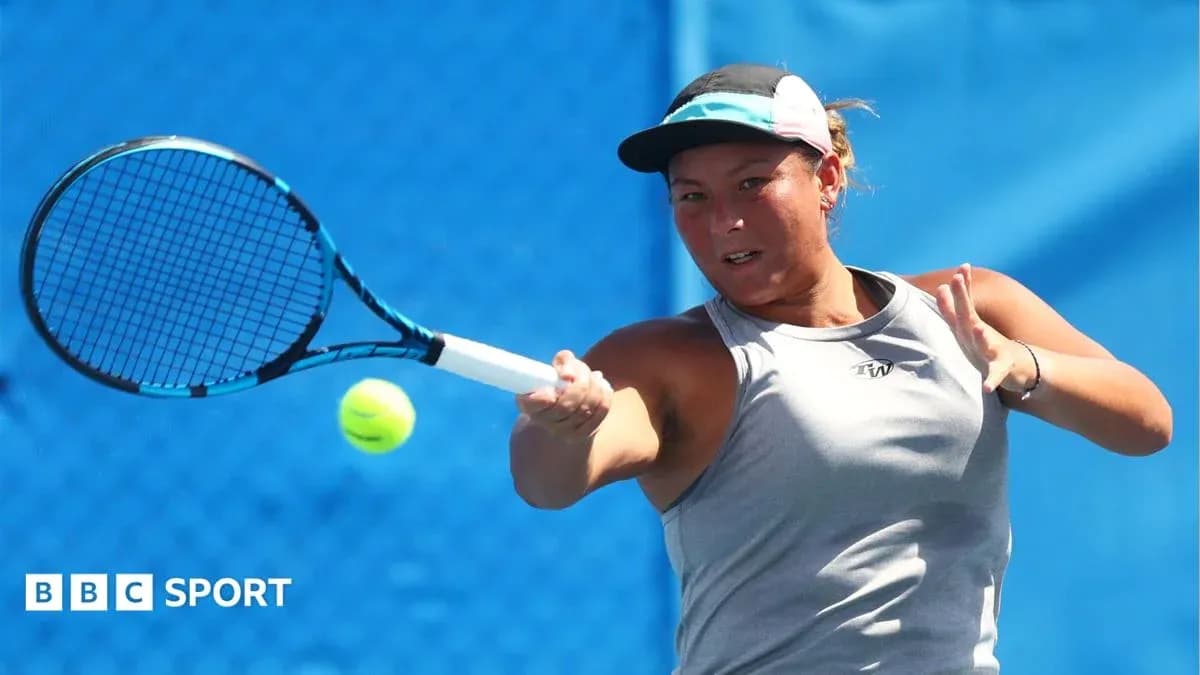
The match itself was a mismatch from the first swing. Sabalenka’s first strike tennis, all pace and heavy topspin, crushed the 22-year-old qualifier from the baseline. World number 160 Iatcenko managed just three winners; Sabalenka rattled off 24. The gap in power, experience and composure was obvious within a handful of games.
Iatcenko’s nerves were written all over her opening service games. Tight swings, tentative footwork, a serve that sat up and begged to be hit. At 5-0 down in the first set, she finally held serve and broke into a broad, relieved smile. A tiny victory on the biggest court in the sport.
It changed nothing.
Sabalenka held to love in less than 90 seconds to close the set. A ruthless, almost dismissive finish.
Despite being on court for just 24 minutes, Iatcenko took a bathroom break, officially to change kit, unofficially to reset her head. Sabalenka stayed loose, sending down practice serves on the baseline, keeping the engine running.
The second set began the way the first had ended. Sabalenka surged to a double break and a 3-0 lead, bullying the Russian off the court. There was a brief lapse in the fourth game, a sloppy service game that handed Iatcenko a break. Any hint of a contest vanished just as quickly. Sabalenka broke twice more, closing out the match with the air of a player doing a job, not enjoying a stroll.
It was a harsh lesson for Iatcenko, but an expensive one in a good way. She arrived in New York with $300,000 in career prize money and leaves with another $190,000 to pour back into her career. For a qualifier, that kind of cheque changes the schedule, the coaching, the support team.
For Sabalenka, it changes nothing. This was never about the second round.
The three-peat chase and a ranking on the line
Sabalenka is chasing history in New York. Two-time defending champion, she is trying to complete a rare US Open three-peat. At the same time, she is fighting to hang on to the number one ranking in a year that began like a coronation and has turned into a scramble.
The numbers tell the story. She opened 2026 like a force of nature: 26 wins in her first 27 matches, the only loss coming to Elena Rybakina in the Australian Open final. Then came the Sunshine Double, titles at Indian Wells and Miami, the kind of feat that usually cements a season, not precedes a wobble.
Since then, the air has thinned. Heading into the US Open, her record had cooled to 17-7. Just one WTA semi-final in the past five months. The kind of dip that doesn’t look catastrophic on a results sheet but feels seismic when you’ve set your own bar that high.
She has already admitted she has been “dealing with several things” during this period. No specifics, no excuses, just an acknowledgment that the standard she expects of herself has not been there.
Now the maths is brutally simple. To have any chance of stopping Rybakina from taking the top spot, Sabalenka has to win the title again in New York. Even then, it might not be enough. If Rybakina reaches the semi-finals, she will climb to number one regardless of what Sabalenka does.
So every round here carries a double weight: the defence of a title and the defence of a ranking.
Next up is Kamilla Rakhimova of Uzbekistan in the third round. A step up in opposition, but still a match Sabalenka will be expected to control. What nobody yet knows is whether she can find the same relentless level that powered her through the early months of the year, when she looked almost untouchable.
A sharp edge off the court
If her tennis looked clean, her mood did not.
In her post-match news conference, Sabalenka’s patience snapped when a reporter suggested she had been at “lots of parties” in the build-up to the tournament.
“What kind of question is that? Just because I posted some activities with brands, you think that I've been partying [and] not training?” she shot back, bristling at the implication.
When the follow-up came — was she “getting serious” now that the US Open had started? — Sabalenka’s sarcasm cut through the room.
“Oh yeah, I wasn't serious before that. Next question.”
The exchange underlined the tension around her campaign. This is a player who has built her career on intensity and work, now being asked if she has been distracted. She clearly took it as a challenge to her professionalism.
On court, though, that edge might serve her well. The performance against Iatcenko had no trace of complacency. No showboating. No drifting. Just controlled aggression and a job done with minimum fuss.
Steady favourites and few shocks
Across the grounds, the women’s draw continued to move to script.
Third seed Jessica Pegula kept her push for a first Grand Slam singles title on track with a straightforward win over fellow American Sofia Kenin, 6-3 6-1. Pegula, like Sabalenka, also has a path to world number one: if she lifts the trophy, the top ranking is in play.
So does Coco Gauff. The fourth seed, already a major champion, eased through her own second-round test with a 6-3 6-1 victory, maintaining the sense that the biggest names are quietly tightening their grip on the tournament.
Karolina Muchova, this year’s Wimbledon runner-up, advanced in straight sets. Marta Kostyuk, a two-time major semi-finalist, did the same. Teenage American Iva Jovic added her name to the list of comfortable winners, feeding the buzz around the next wave of homegrown talent.
Two rounds in, the women’s draw has offered few upsets. The heavyweights are still standing. The storylines are converging.
At the centre of it all stands Sabalenka — two-time champion, world number one, and a player who just delivered a 53-minute statement that somehow raised as many questions as it answered.
Her season began like a sprint away from the pack. In New York, it may come down to whether she can hold her nerve while the field finally catches up.