Aryna Sabalenka Defends Professionalism Amid Press Conference Tension
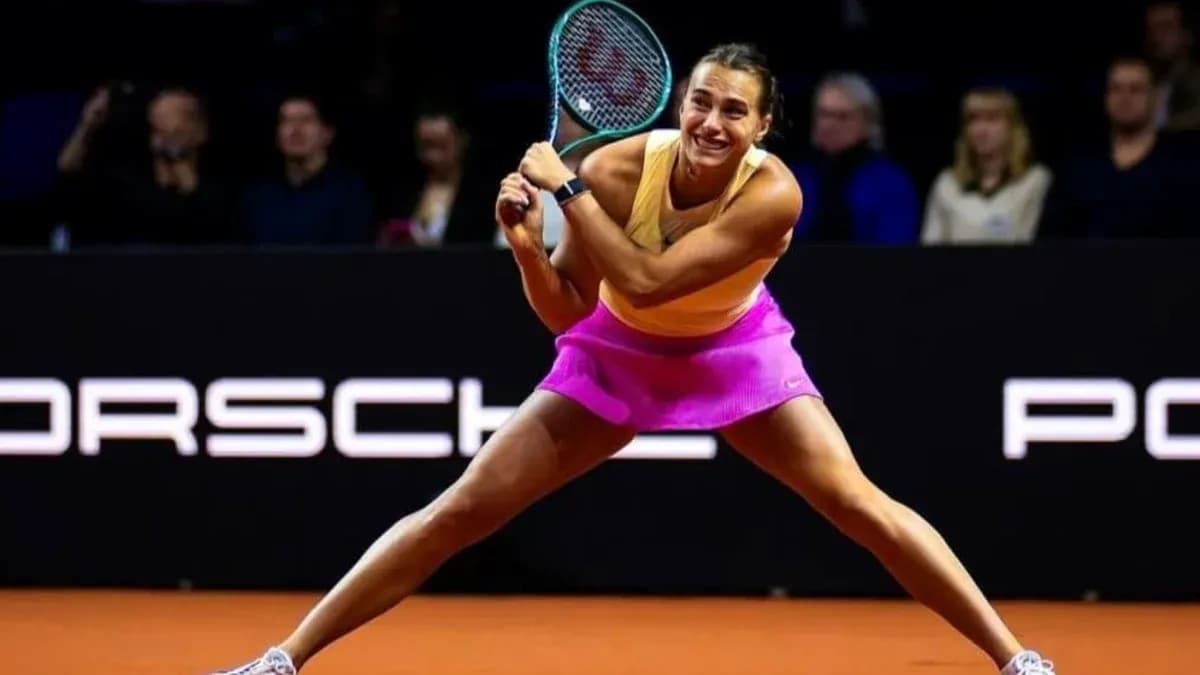
Aryna Sabalenka walked off court at Flushing Meadows after another routine demolition job, but it was the press room – not the baseline – that turned into the real battleground of her US Open second week.
Fresh from a dominant second‑round win, the world No. 1 sat down for what should have been a standard post‑match debrief. Instead, one question lit the fuse.
A reporter framed the build‑up to the tournament as a week of “parties and fun” and asked how her mood had shifted now that the serious business had started. The implication, as Sabalenka heard it, was clear enough: too much social, not enough serious.
She bristled.
Sabalenka pushed back hard at the idea that she had spent the days before the year’s final Grand Slam partying rather than preparing. Those sponsor events, those brand appearances, those smiling photo ops? Part of the job, she argued, not evidence of a lack of work. Public-facing obligations do not cancel out hours on the practice court.
The tone sharpened. The exchange grew tense. Within minutes of the press conference ending, clips were ricocheting around social media.
Fans quickly chose sides. Many backed Sabalenka, applauding her for defending her professionalism and refusing to let the suggestion slide. Others focused on the wording of the question, arguing it had been clumsy rather than malicious, a failed attempt to capture the circus that surrounds a top seed before a Slam.
As the debate swelled, the journalist at the center of it decided to speak.
He clarified that he had not intended to accuse Sabalenka of neglecting her preparation or spending the week partying. His aim, he said, was to reference the sheer volume of public appearances, promotional duties, and off‑court activities that come with being one of the sport’s biggest stars heading into New York. In his view, the question landed differently than he meant it, and he stressed that he did not question her work ethic.
He also acknowledged the storm that followed – the online reaction, the scrutiny of his phrasing, the way a single exchange had become one of the most discussed moments of the tournament.
Sabalenka, for her part, did not simply let it fade into the background.
Having initially reacted sharply in the press room, the two‑time defending US Open champion later revisited the incident. She reportedly apologized to the reporter for the intensity of her response, a nod to the heat of the moment, while standing firm on one key point: she still felt the wording of the question was unfair.
That tension sits at the heart of life at the top of the sport.
At Grand Slams, players walk straight from the court into a room full of microphones and deadlines. They are asked to dissect tactics, emotions, and preparation with little time to decompress. Reporters, chasing angles beyond the scoreline, probe for context and color. When the subject turns to focus, commitment, or professionalism, the line between a legitimate question and a perceived slight can vanish in a sentence.
This episode has thrown that fragile balance into sharp relief. How do athletes protect their reputations and boundaries while remaining open and accountable? How do journalists challenge and explore without turning the spotlight into a spotlight glare?
In New York, one pointed question and one pointed reply were enough to show just how thin that margin can be.