Anthony Edwards Shapes Timberwolves' Offseason with Kuminga Signing
Anthony Edwards didn’t just like Minnesota’s offseason. He helped shape it.
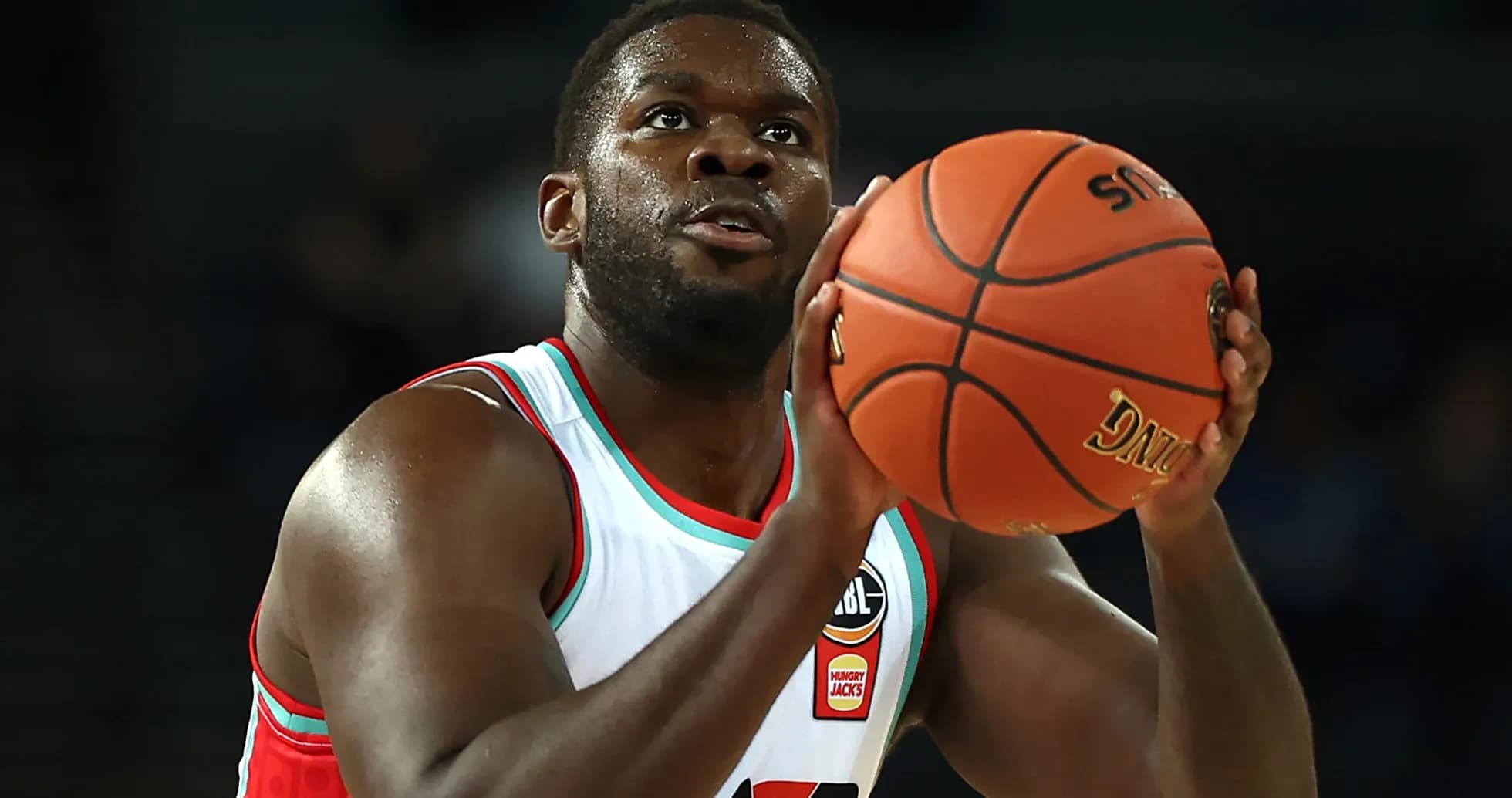
The Timberwolves’ summer pivot, headlined by the surprise signing of 2022 NBA champion Jonathan Kuminga, carried the fingerprints of their franchise star all over it — and it may have altered the trajectory of both Kuminga’s career and the Wolves’ future.
Edwards’ pitch: “Be the guy we had to play against”
Kuminga to Minnesota stunned plenty around the league. For weeks, the expectation sat firmly in Los Angeles. The Lakers wanted him, targeted him as a starting forward, and put a substantial offer on the table.
Then the Wolves — and Edwards — walked through the door.
Kuminga’s agent, Aaron Turner, laid out just how central Edwards was in that decision during an interview with Kevin O’Connor. The message from Ant was simple, but it cut straight to the core of a young player looking for a real runway.
“Ant was a massive part of this whole thing,” Turner said. The Wolves’ pitch, relayed through Edwards, wasn’t about reshaping Kuminga into a role player or a specialist. It was about unleashing the version of him that had given teams problems in the postseason.
The ask from Edwards and Minnesota was clear: come in and be the same relentless, attacking presence they hated playing against. Not a toned-down version. Not a tweaked, system-first version. Himself.
Turner pushed back on the narrative that Kuminga would need to bend his game dramatically to fit Minnesota’s structure. The way he described it, Edwards wanted the opposite. A loud, fully expressed Kuminga, backed by a star who understands what it feels like to be boxed in early in a career and is now secure enough to share the stage.
The Lakers’ offer vs. the Wolves’ bet
On paper, the financials raised eyebrows.
According to reports, Lakers general manager Rob Pelinka put a three-year deal worth roughly $36 million in front of Kuminga — a clear signal they viewed him as a starting-caliber piece. Turner later said on FanDuel’s “Run it Back” that he struggled with the idea of a team trying to lock in a starting-level player at around $12 million a year, a number he described as “pretty decently below the midlevel.”
Then came the twist.
Kuminga ultimately agreed to an even cheaper deal with Minnesota: two years, $12.4 million. A shorter commitment. Less guaranteed money. A smaller annual figure.
On the surface, it makes no sense. Dig a little deeper, and it tells you everything about where Kuminga believes his game can go — and who he trusts to help get him there.
The Wolves are offering him opportunity, a defined role, and the backing of a star who wants him to “do everything you do and do it loudly.” The shorter deal also gives Kuminga a chance to bet on himself in a rising cap environment. If he hits, he’ll be positioned to cash in sooner rather than later.
The Lakers could offer the market, the brand, and a bigger initial number. Minnesota countered with something harder to quantify: a team willing to build a lane for him, not just a spot.
A new Wolves core: Ant, LaMelo, Kuminga
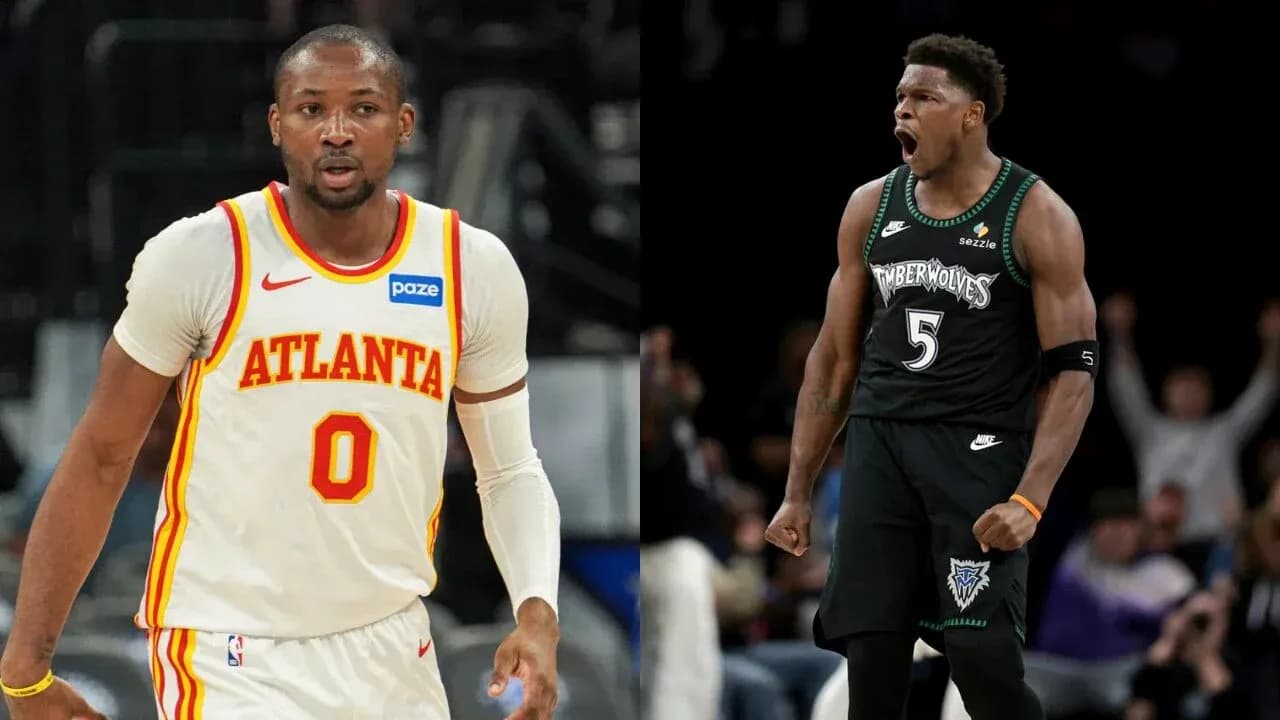
Kuminga’s arrival didn’t come in isolation. Minnesota also moved to bring in LaMelo Ball, adding another high-usage, high-creation guard to pair with Edwards. The Wolves now have a perimeter trio built on youth, flair, and offensive firepower.
Kuminga, the Congolese forward, lands in Minnesota on that two-year, $12.4 million deal, slotted next to Edwards and Ball in a group that suddenly looks far more dynamic than any Wolves core of the last decade.
The numbers say one thing. The mood inside the organization says another.
NBA insider Brian Windhorst reported that Edwards is “very pleased with the Wolves’ offseason,” highlighting the acquisitions of Ball and Kuminga as key moves that have energized the All-Star guard. Windhorst went a step further, suggesting that if Edwards were up for an extension now, this kind of summer might be enough to push him toward signing on the spot.
That matters. A lot.
Keeping the star, chasing the ceiling
Edwards is six years into his Timberwolves tenure and has three seasons left on his current five-year deal, which runs through 2029. Minnesota has time, but not as much as it might seem in a league where stars can shift the landscape with a single trade request.
The Wolves’ front office appears to understand the urgency. You don’t just keep a star of Edwards’ caliber happy by talking about the future. You show him one.
Trading for Ball. Convincing Kuminga to turn down more money and a glitzier market. Handing Edwards real influence in how the roster takes shape. All of it points to a franchise trying to move from plucky upstart to sustained contender.
If this version of the Timberwolves — built around Edwards, Ball, and Kuminga — breaks through and delivers a deep playoff run or even a championship over the next few years, the equation around Edwards’ long-term future changes. The idea of him staying beyond 2029 stops being a hope and starts looking like the natural outcome of a project that finally found its edge.
For now, the message from Minnesota is unmistakable: this is Ant’s team, and players like Jonathan Kuminga are willing to take less to be part of it.