Andy Roddick Proposes Choice for Grand Slam Runner-Up Speeches
Andy Roddick faced the tough spot of delivering runner-up speeches in four of his five Grand Slam finals. The last American man to win a major title, he captured the 2003 US Open but then fell short in the next four finals, three at Wimbledon and one more at the US Open — all against Roger Federer.
Roddick’s Grand Slam Final Record
- Year: 2003
- Tournament: US Open
- Surface: Hard
- Opponent: Juan Carlos Ferrero
- Score: 6–3, 7–6(7–2), 6–3 (Win)
- Year: 2004
- Tournament: Wimbledon
- Surface: Grass
- Opponent: Roger Federer
- Score: 6–4, 5–7, 6–7(3–7), 4–6 (Loss)
- Year: 2005
- Tournament: Wimbledon
- Surface: Grass
- Opponent: Roger Federer
- Score: 2–6, 6–7(2–7), 4–6 (Loss)
- Year: 2006
- Tournament: US Open
- Surface: Hard
- Opponent: Roger Federer
- Score: 2–6, 6–4, 5–7, 1–6 (Loss)
- Year: 2009
- Tournament: Wimbledon
- Surface: Grass
- Opponent: Roger Federer
- Score: 7–5, 6–7(6–8), 6–7(5–7), 6–3, 14–16 (Loss)
Simple Solution for Post-Match Speeches
On his Served podcast, Roddick opened up about how difficult it is to speak after such a crushing loss, especially recalling the 2009 Wimbledon final where emotions threatened to overwhelm him.
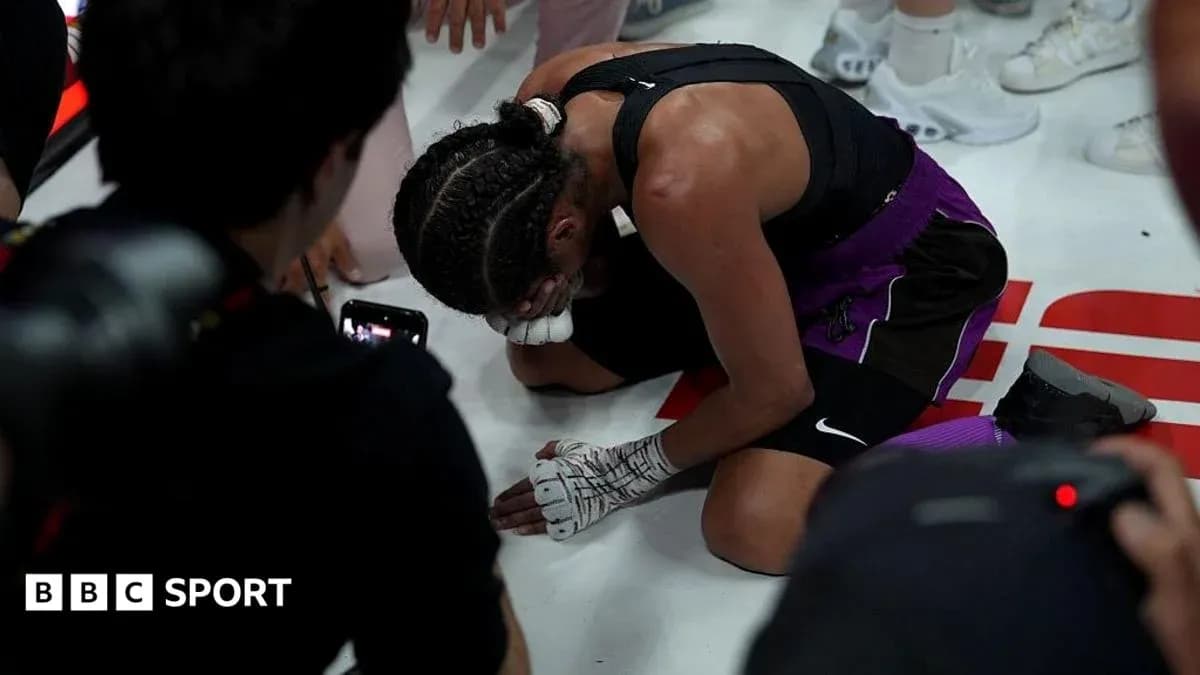
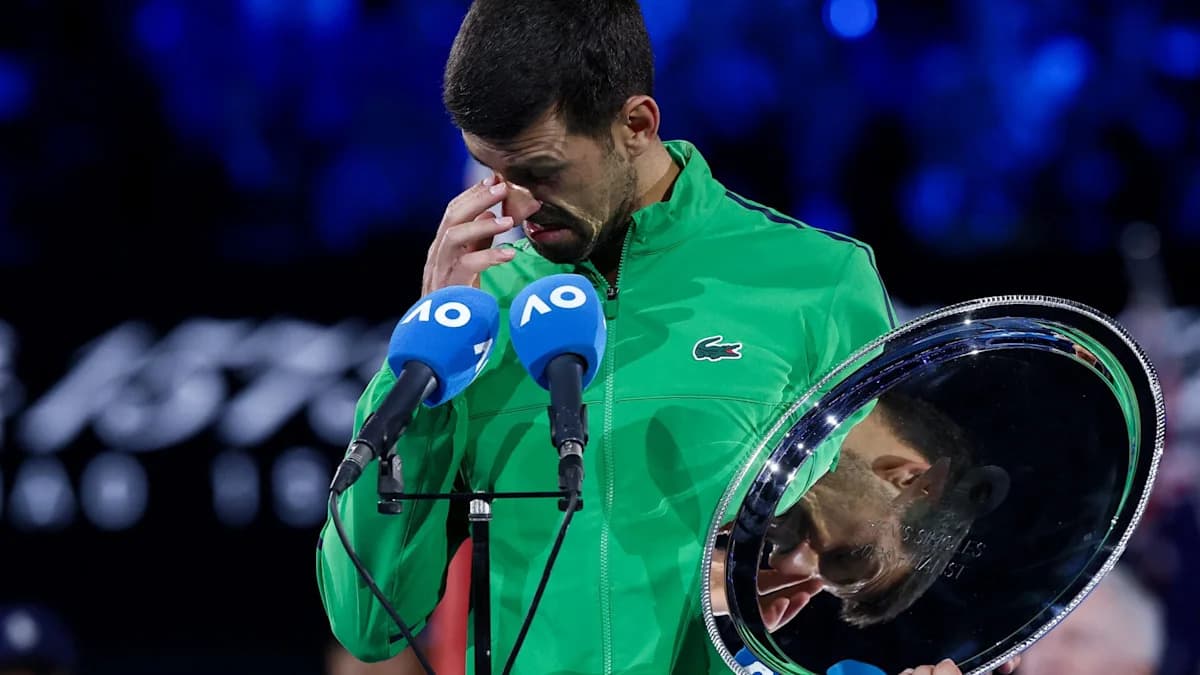
"Giving a speech in your worst moment… it’s not easy. The only time I really struggled was 09 Wimbledon. I knew if I broke down or got emotional, I wouldn’t get through it, so I just kept my head down."
He acknowledged the challenge but also saw value in authentic moments, praising Ben Shelton for the heartfelt speech he gave after the US Open. Roddick noted how those genuine words can shift public perception.
"If you can get through it and deliver something real and emotional, it changes how people see you. But maybe that’s just me being close to it."
His main takeaway was straightforward: runners-up should have the option to skip their speech or keep it simple.
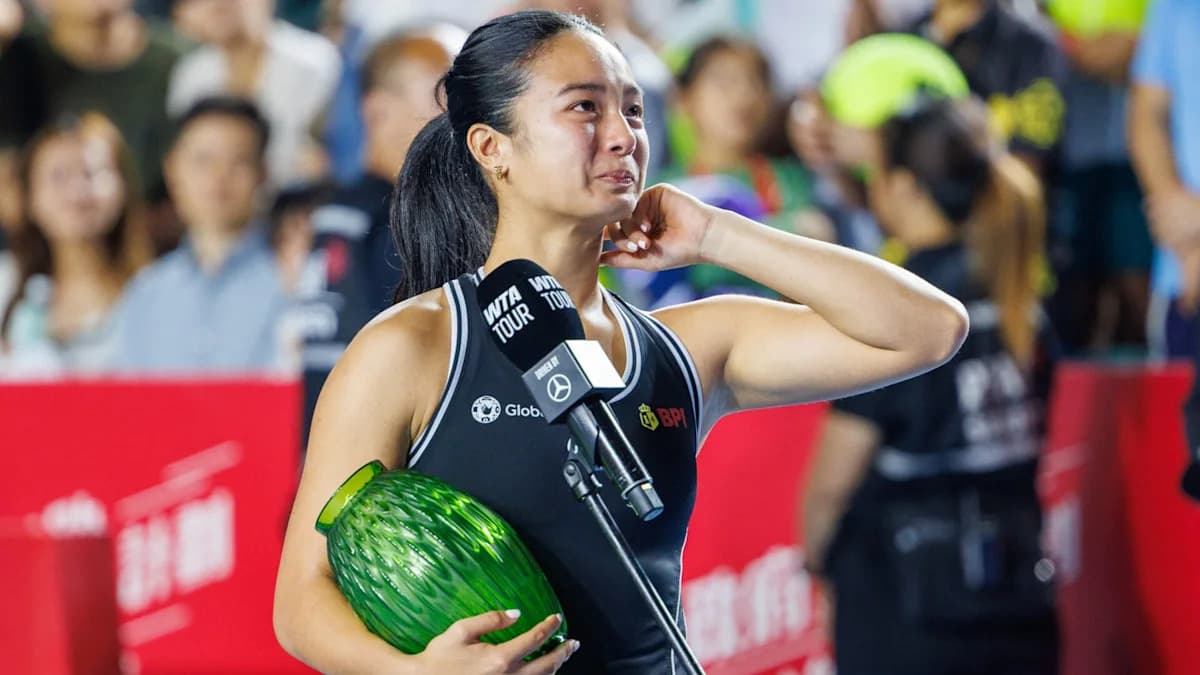
"I think it should be the runner-up’s choice. They could say thanks to their team, thank the tournament, or say they can’t do it right now. Pretty simple. I know TV networks won’t love that, but it’s the truth."
The Reality of Runner-Up Speeches
Those who have watched many finals know runner-up speeches often feel strained and dull, as players want nothing more than to leave the court quickly. Waiting around while courts get prepped for trophy ceremonies and hearing additional speeches from tournament officials only adds to the awkwardness.
Allowing players to decide if they want to speak makes sense, though it likely won’t happen soon given broadcasting interests and tradition. This dilemma isn’t exclusive to Grand Slams; it happens across ATP and WTA events worldwide.