Alfie Hewett Denies Tokito Oda Calendar Slam at US Open
Alfie Hewett arrived in New York with scars. The kind that don’t show on the skin but live in the memory – particularly the one from Wimbledon, where Tokito Oda dismantled him 6-1 6-1 and looked untouchable in his march towards a calendar-year Grand Slam.
On Sunday, on the hard courts of Flushing Meadows, Hewett rewrote the story.
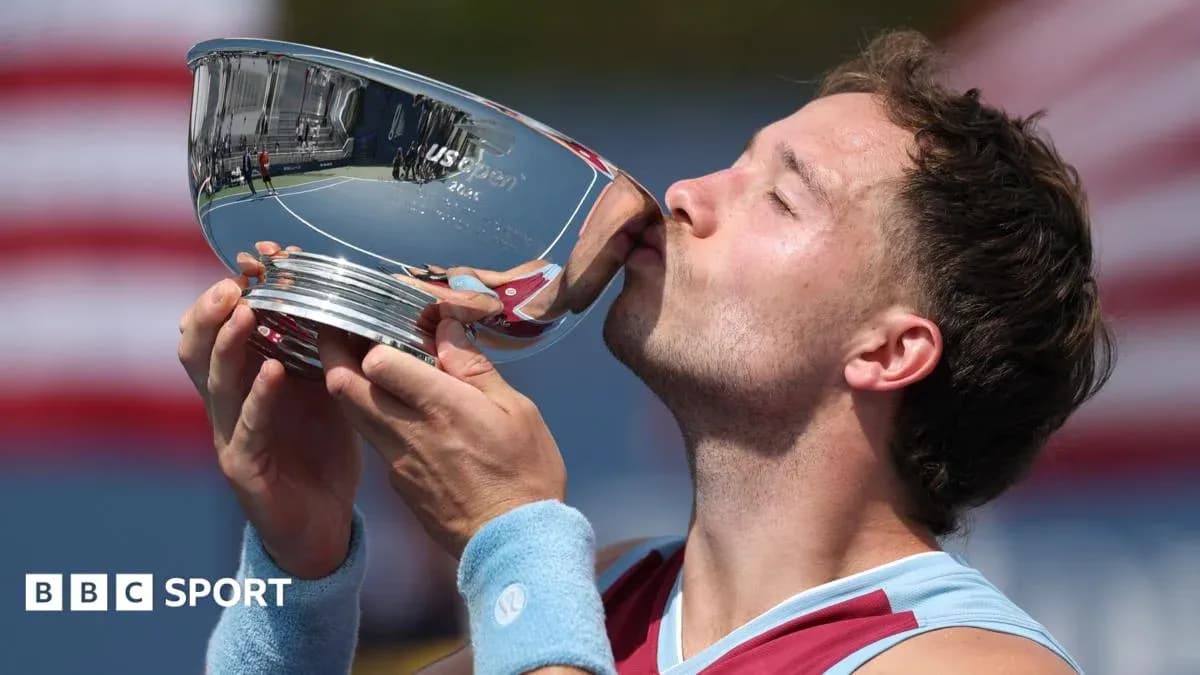
The 28-year-old Briton produced a ferocious, defiant performance to crush the Japanese top seed 6-0 7-6 (7-5), clinching a fifth US Open men’s wheelchair singles title and slamming the door on Oda’s bid for a clean sweep of all four majors in 2026.
He did it having already won the doubles title on Friday alongside long-time partner Gordon Reid. He did it against a man who had beaten him in the finals of the French Open and Wimbledon this year, and who had also taken the Australian Open in January. He did it against a player who arrived in New York having won the past six Grand Slam singles titles.
This was not supposed to be Oda’s week to stumble. Hewett made sure it was.
From “shell of myself” to possessed
In the wake of that Wimbledon humiliation, Hewett admitted he had to confront what he saw in the mirror. He told BBC Sport that the loss made him reassess everything, pushing him back towards the version of himself that once terrified opponents on the biggest stages.
"I'm known for being just as fearless, brave and courageous in big moments and I felt I was everything but that in Wimbledon," he said. "I was quiet, I was timid, I was a shell of myself."
The six weeks that followed became fuel. Not for a polite response, but for a statement. "I think I have had six weeks of champing at the bit to come out and prove to myself that I can be more like that person," he added.
New York saw that person in full.
Hewett called his first-set display "possessed", and it was hard to argue. After saving a break point in the opening game, he tore into Oda with a level of aggression and clarity that had been missing in their recent meetings. Every rally carried intent. Every return felt like a challenge.
The pressure broke Oda almost immediately. Hewett ran through the set 6-0, sealing it with a superb backhand return winner that underlined the gulf in intensity. The Japanese world number one, usually so composed, looked rattled and strangely flat.
Oda fights back, Hewett refuses to blink
A player of Oda’s calibre was never going to go quietly. The second set turned into the kind of test that has defined Hewett’s career.
Oda raised his level, found more depth, and finally began to dictate. He surged into a double-break lead and, for the first time all afternoon, the match felt like it might tilt back towards the familiar pattern of 2026: Oda on top, Hewett chasing shadows.
The Briton refused to accept it. He clawed his way back, game by game, forcing Oda to serve for the set, then prising open cracks where there had previously been none. Three times Oda stood on the brink of levelling the match with set points. Three times Hewett shut the door.
The tie-break became a mental trial as much as a technical one. Hewett, who had spoken of wanting to rediscover his fearlessness, backed his shots when it mattered. He went after his returns, he took the ball early, he trusted his instincts.
At 7-5 in the breaker, it was over. No deciding set. No reprieve for Oda. Just a roar from Hewett and the realisation that he had just stopped one of the sport’s great streaks and reclaimed a stage that has so often belonged to him.
A Grand Slam run halted, a rivalry sharpened
For Oda, this was a brutal end to an extraordinary push for history. “Definitely I was trying to get the calendar year [Grand Slam] this year," he said on court. "This was the last part of it so it's really tough for me, but I think Alfie deserved it today."
Those words carried the weight of a season that had seemed destined to end in perfection. Australian Open, French Open, Wimbledon – all his. New York was supposed to complete the set.
Instead, Hewett snatched away the final piece.
The Briton now stands on 11 Grand Slam singles titles, this one perhaps the most emotionally charged of the lot. Not just because it added to his doubles triumph with Reid, not just because it came against the dominant force of the era, but because it answered the questions he had been asking himself since that painful afternoon at SW19.
He wanted to be “more like me” again. In New York, he was exactly that – fearless, brave, courageous in the biggest moments.
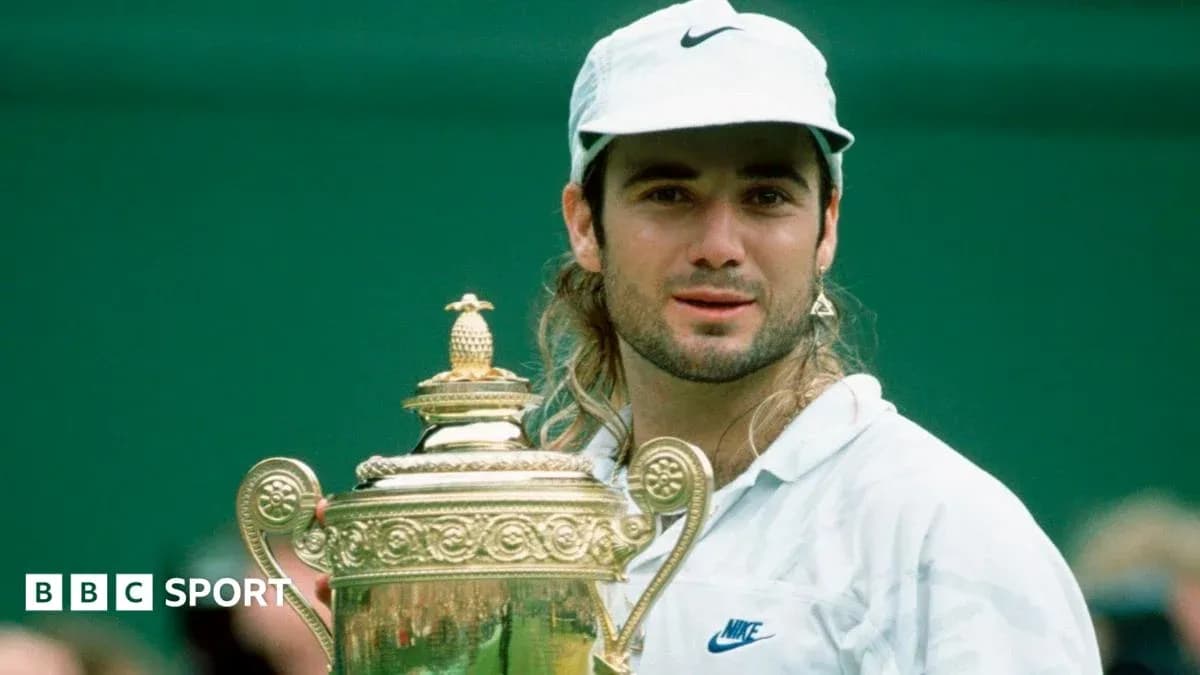
Oda will come again. Players of his quality always do. But as the sun set on Flushing Meadows, it was Hewett who sat at the centre of the wheelchair game’s most compelling rivalry, holding the trophy that said, clearly, he is not done shaping how this era will be remembered.